








Low-Maintenance Garden Ideas for Busy Devon Households
Keeping a garden presentable can take a surprising amount of time. Lawns need mowing, borders need attention and outdoor furniture has to cope with whatever the Devon weather brings. For households already juggling work, family life and other commitments, spending every free weekend on garden jobs may have little appeal.
Reducing maintenance does not mean removing everything that gives a garden character. By keeping planting straightforward, choosing surfaces carefully and planning around how the household actually uses the space, it is possible to create an attractive garden with a shorter list of regular jobs.
Simplify Your Planting
Complicated planting schemes can require frequent pruning, watering and seasonal work. A simpler arrangement can still provide plenty of colour.
Start by choosing hardy plants suited to the conditions in your garden. Devon's climate varies between coastal, urban and more exposed locations, so consider sunlight, shelter, drainage and soil before choosing varieties. Plants that suit their position are generally easier to care for.
Perennial plants and shrubs can form the basis of straightforward borders, reducing the need to replace large numbers of plants each year. Leaving sensible space between them also helps avoid an overcrowded appearance as they mature.
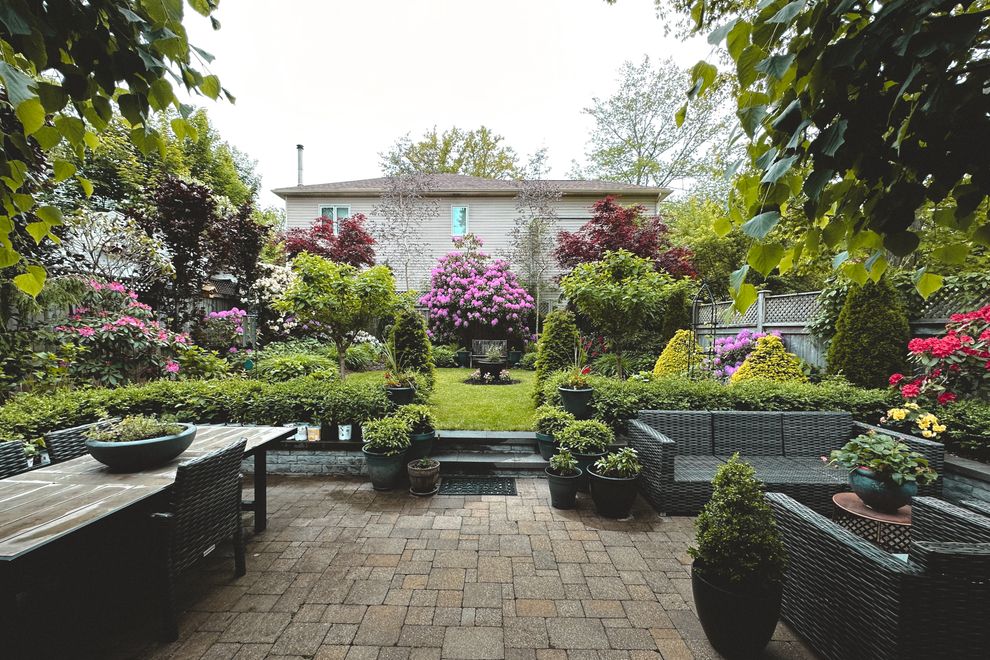
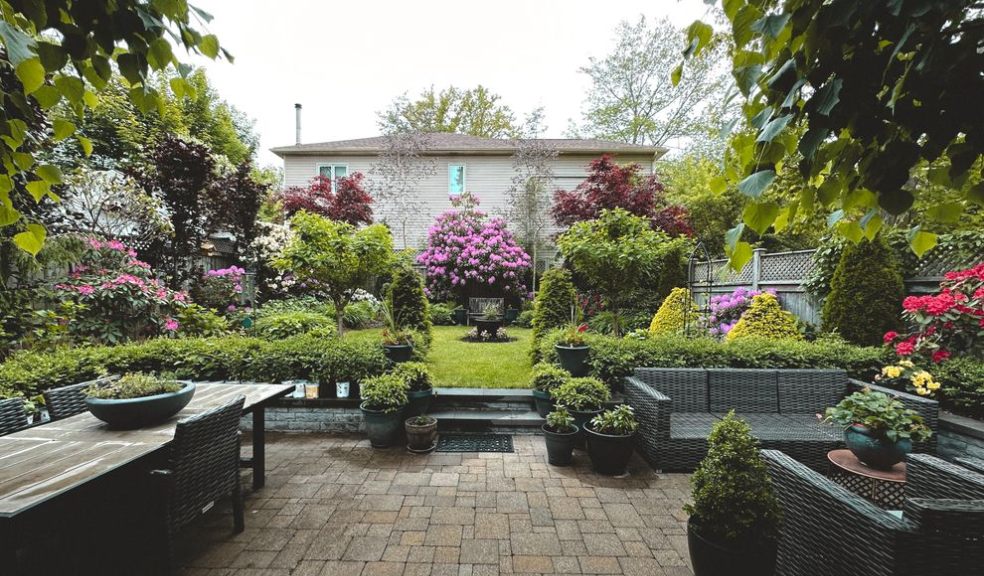
Containers are useful for adding colour to patios and entrances. Rather than maintaining dozens of small pots, try grouping a few larger containers together. Bear in mind that pots still require watering, particularly during warm or dry periods.
Think Carefully About Garden Surfaces
Different surfaces come with different maintenance requirements, and the right choice depends on how an area will be used.
Natural lawns provide a familiar, soft garden surface and can support wildlife, but they require mowing and may develop muddy or worn areas after heavy use. Patios provide a firm base for seating and dining, although occasional cleaning and weed control may be required. Gravel can work well for paths and less heavily used areas but may be inconvenient for pushchairs, wheelchairs or children's wheeled toys.
Some households consider fake grass when regular mowing is something they would prefer to avoid. It still needs care, such as removing leaves and debris, and factors including installation, drainage, environmental impact, pets and eventual disposal deserve consideration.
No single surface suits every Devon garden. Combining materials can often make sense, with each part chosen according to its purpose.
Make Storage Part of the Plan
Even a neatly designed garden can quickly feel cluttered when toys, tools and cushions have nowhere to go. Storage is therefore worth considering from the beginning rather than treating it as an afterthought.
A shed is useful for larger tools and equipment, while a weather-resistant storage box can hold footballs, children's toys or outdoor furniture accessories. Storage benches can perform two jobs at once in gardens where space is limited.
Position storage close to where items are normally used. Children are far more likely to put toys away when the storage box is nearby, and gardening jobs become easier when basic tools are readily accessible.
Create Areas You Will Actually Use
A garden should reflect the people who live there rather than the latest design trend. Before changing anything, think about what your household genuinely enjoys doing outside.
If summer meals are a favourite, giving enough room to a dining table may be worthwhile. If you prefer sitting outside with a morning coffee, a smaller seating area in a sunny position could receive greater use.
Families might want an open section where children can play, while keen cooks may appreciate space for herbs near the kitchen. Clear areas for different activities can also prevent furniture and equipment from gradually spreading across the entire garden.
Consider the weather when choosing locations. A sheltered seating area may receive greater use across the seasons, while suitable outdoor lighting can make paths and social areas practical after sunset.
A lower-maintenance garden is largely about making deliberate choices. Straightforward planting, appropriate surfaces, accessible storage and useful seating areas can reduce unnecessary work without leaving the space bare. For busy Devon households, fewer routine gardening jobs can mean more opportunities to spend time outside enjoying the garden rather than continually working on it.