








How to Build Strength at Home: The Equipment Worth Investing In
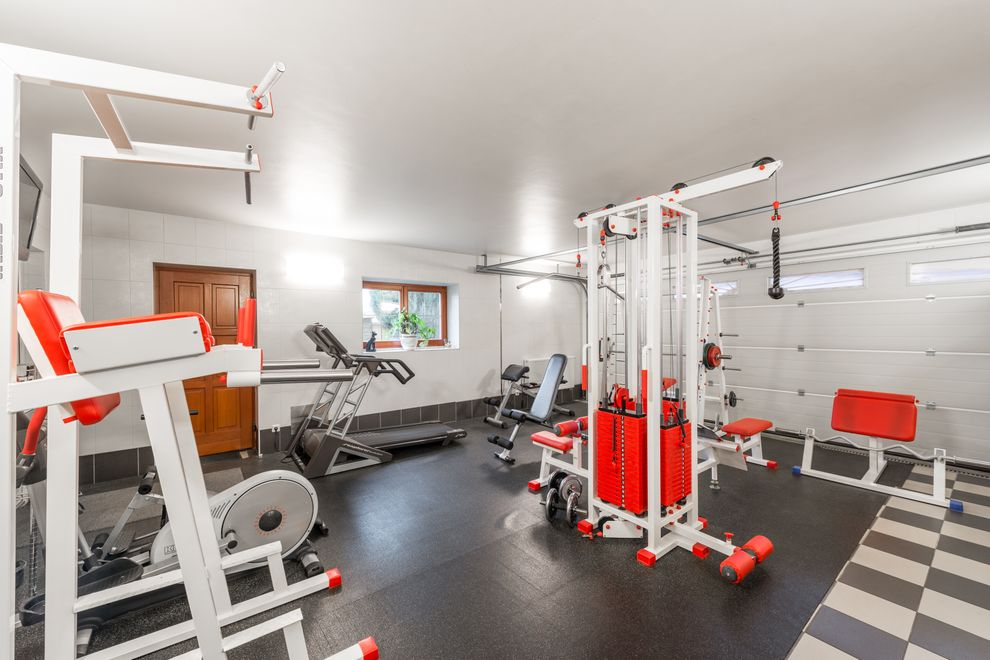
Building strength at home does not require recreating an entire commercial gym. In fact, filling a garage or spare room with machines you rarely use can make home training unnecessarily expensive and complicated.
A better approach is to invest gradually in versatile equipment that supports the fundamental movements of strength training. With the right foundations, a relatively compact home gym can provide enough variety to keep progressing for years.
Start With a Quality Barbell
For anyone serious about strength training, a barbell is one of the most versatile investments available. Squats, deadlifts, rows, overhead presses, and numerous other exercises can all be performed with the same piece of equipment. This makes a barbell particularly valuable when floor space is limited.
When choosing one, think about the training you intend to do. Olympic barbells use 2-inch sleeves and are compatible with Olympic plates, while different specialist bars are designed around powerlifting, Olympic weightlifting, or general-purpose training. Mirafit.co.uk offers Olympic barbells in several lengths and designs, including options intended for home gyms and more compact spaces.
A versatile barbell also provides room for progression because additional weight can be introduced as strength improves.
Choose Weight Plates You Can Add to Over Time
There is little reason for a beginner to purchase every possible plate immediately. Start with enough weight to make your main exercises challenging while leaving room to expand your collection. Smaller plates are useful because they allow increases to be made gradually rather than forcing large jumps between loads.
Compatibility matters too. Olympic bars require Olympic plates, while standard 1-inch bars need corresponding standard plates. Getting this decision right at the beginning makes future additions considerably easier.
Add a Rack for More Training Options
Once barbell training becomes central to your routine, a squat or power rack can significantly expand what you can do at home. A rack makes exercises such as back squats much more practical and can provide a foundation for bench pressing when paired with a suitable bench. Power racks can also include safety bars designed to catch the bar if a lift is unsuccessful, an especially useful feature when training alone.
Before buying, measure the available floor space and ceiling height carefully. You should also check that your chosen bar is compatible with the rack.
Invest in an Adjustable Bench
A bench can turn a relatively simple home gym into a much more adaptable training space. Flat benches work well for presses, step-ups, and other exercises, but an adjustable model provides additional incline and decline positions. This creates more exercise possibilities without requiring several separate pieces of equipment.
Check the maximum supported weight before buying. Remember that this figure needs to accommodate both your body weight and the weights being lifted.
Consider Dumbbells for Accessory Work
A barbell may handle many of the major lifts, but dumbbells can fill some important gaps. Single-arm rows, lateral raises, lunges, curls, and presses can all complement barbell-based training. Dumbbells are also useful for unilateral exercises, where each side of the body works independently.
For smaller home gyms, adjustable or loadable dumbbells can be particularly practical because they provide multiple resistance levels without requiring a long rack of fixed weights.
Protect the Training Area
Flooring is easy to overlook when budgeting for a home gym, but it can be worth considering early. Suitable gym flooring can help protect the surface underneath your equipment and provide a more appropriate lifting area. This becomes especially relevant when using heavier barbells and plates.
If you intend to perform Olympic-style lifts where loaded bars may be dropped, the requirements become more significant. You should use appropriate protective flooring alongside bumper plates for this style of home weightlifting.
Buy for Progress, Not for Novelty
The most useful home gym equipment is usually the equipment you can continue using as you become stronger. Rather than purchasing several highly specialised machines, prioritise pieces that support numerous exercises and allow resistance to increase. A barbell, plates, rack, bench and dumbbells can already provide hundreds of possible workout combinations.
Accessories can always be added later when you identify a genuine need for them.
Build Your Home Gym Gradually
A home strength setup does not need to be completed in one shopping trip. Begin with equipment that supports the exercises you perform most frequently, then expand as your training develops.
A good home gym should ultimately make strength training simpler. Choose versatile equipment, leave space to progress, and invest in pieces that will still have a role in your workouts several years from now. That approach can create a far more useful training environment than simply filling the room with as much equipment as possible.