








How to Create a Light, Airy Home That Feels Larger Than It Is
British homes are renowned for their history and charm, but they can occasionally feel somewhat compact and dark, particularly during the overcast winter months. When square footage is at a premium, the physical layout can start to feel restrictive.
However, you don't need to knock down walls to change how your property feels - you can easily alter the perception of space, turning even the most modest room into a bright and airy sanctuary that feels significantly larger than its actual footprint.
Embrace Light Colours and Reflective Surfaces
The most effective way to instantly expand a room visually is through your choice of colour palette. Dark, saturated tones tend to absorb light, drawing the walls inward, whereas pale shades reflect it. Opt for a base of crisp whites or soft stones to maximise wall bounce.
You can also introduce reflective surfaces throughout the space. Strategically placing a large mirror directly opposite a window will effectively double the amount of daylight entering the room. Incorporating glossy finishes on kitchen cabinetry, glass-topped coffee tables, and metallic accessories will also help scatter light into previously dim corners, creating a sense of depth.
Optimise Window Treatments for Maximum Light
Windows are the primary source of natural illumination- so how you dress them is crucial. Heavy, dark curtains can drape over the glass and block precious daylight, making a room feel boxed in. Shifting to sleek, contemporary window treatments can completely change the dynamic of a room.
For instance, vertical blinds are a practical choice for letting in natural light while making windows appear taller and rooms more spacious. By choosing slimline louvres in neutral tones or light-filtering fabrics, you gain precise control over your privacy without plunging the space into shadow. The clean, vertical lines naturally draw the eye from floor to ceiling, providing a sleek look that complements a modern aesthetic.
Streamline Furniture and Layout
A cluttered room will always feel smaller than it is. To maintain an open, flowing environment, opt for low-profile furniture with slender legs rather than bulky, floor-hugging pieces; seeing the floor extend beneath a sofa immediately creates an illusion of extra space.
Arrange your layout to keep clear sightlines and unobstructed walkways across the room. Invest in smart, multifunctional storage solutions (such as footstools with hidden compartments or fitted floor-to-ceiling wardrobes) to keep everyday belongings neatly tucked away, ensuring surfaces remain entirely clear.
Use Accessories to Draw the Eye Upwards
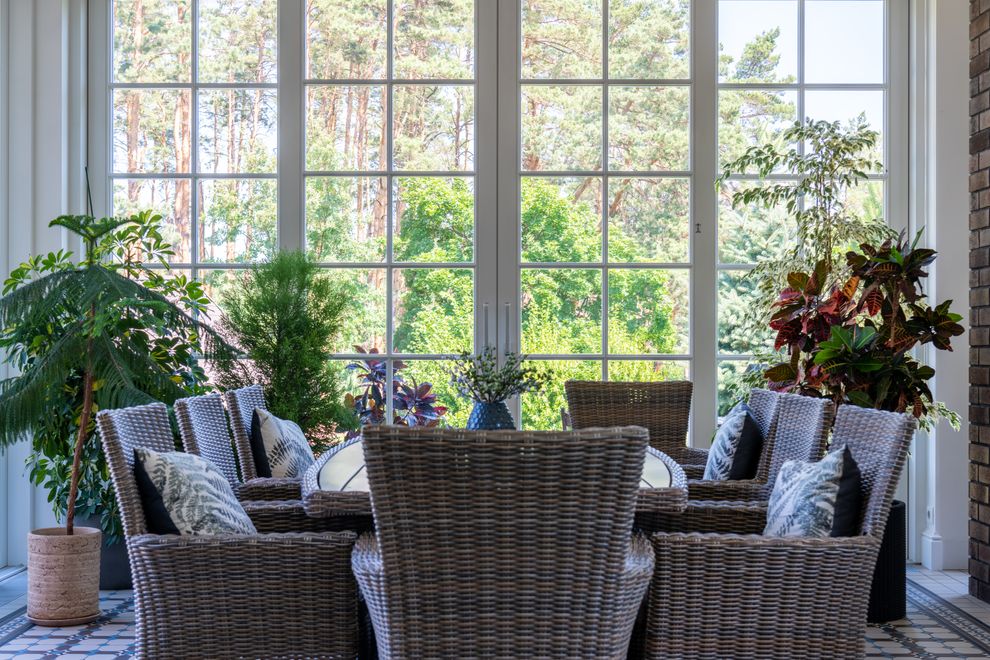
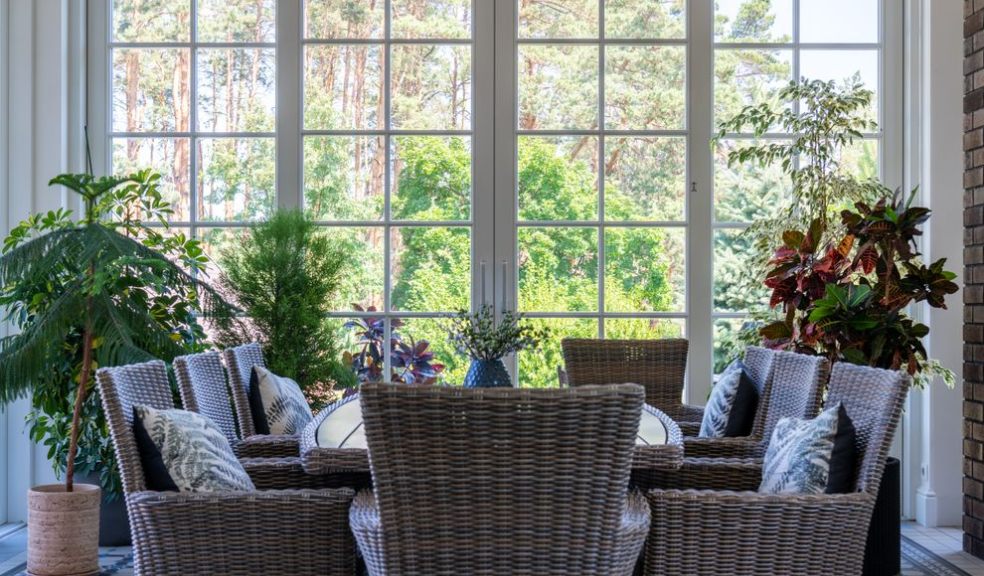
When floor space is limited, look to your vertical space. You can easily distract from a tight layout by encouraging the eye to move upwards, creating an expansive atmosphere. Achieve this by positioning tall house plants like a Kentia palm in empty corners, hanging vertical artwork, or mounting floating bookshelves close to the ceiling.
Grouping smaller decorative items in vertical clusters rather than spreading them across flat surfaces maintains this upward momentum and contributes heavily to a breezy, unburdened aesthetic.