








How wall lighting has evolved in contemporary home design
Wall-mounted lighting has moved beyond its practical roots to become a defining element in modern interiors. Subtle advances in form, material, and technology mean wall lights now influence the mood, flow, and style of every room. This article traces the evolution of these fixtures and explores their impact on current home design priorities.
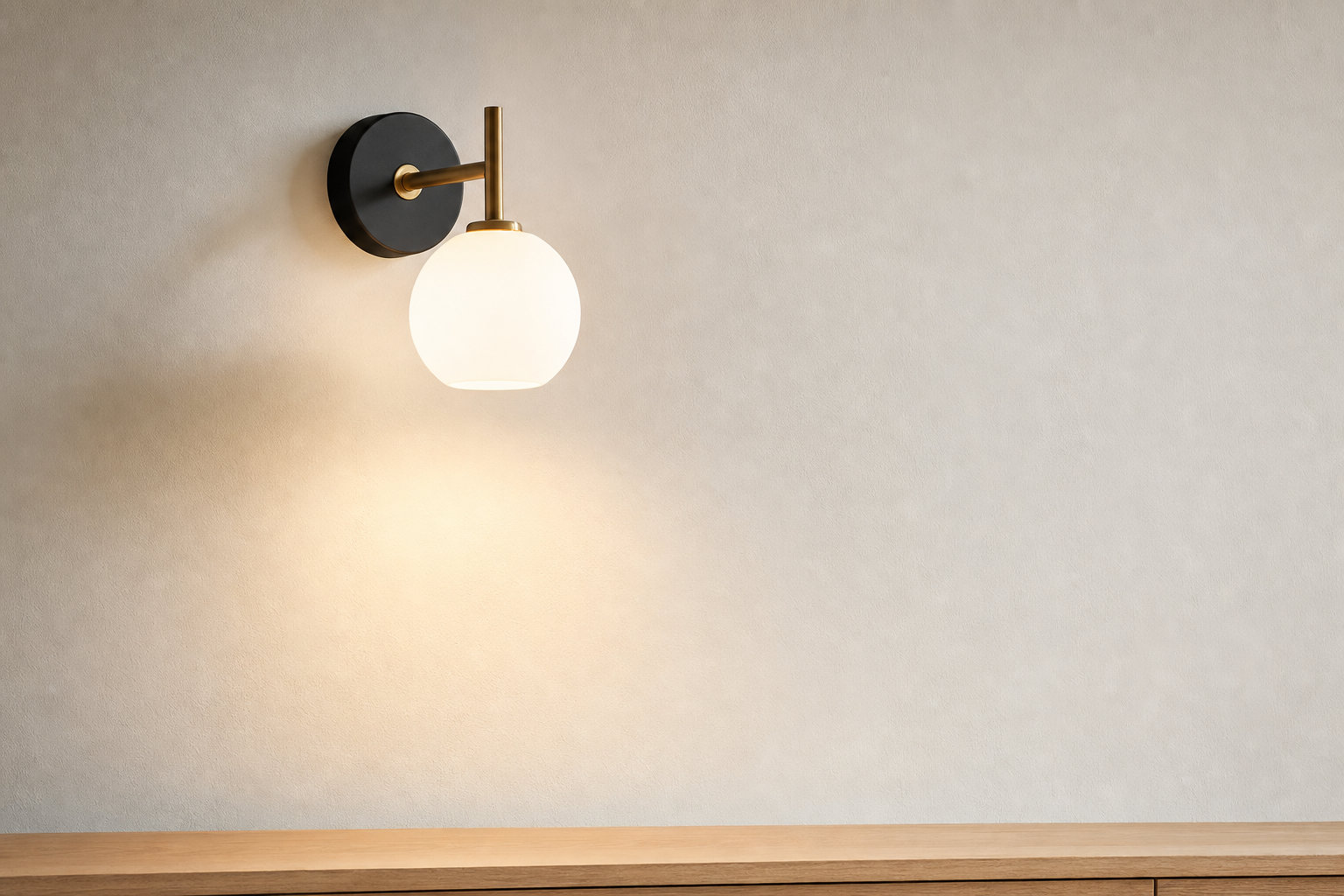
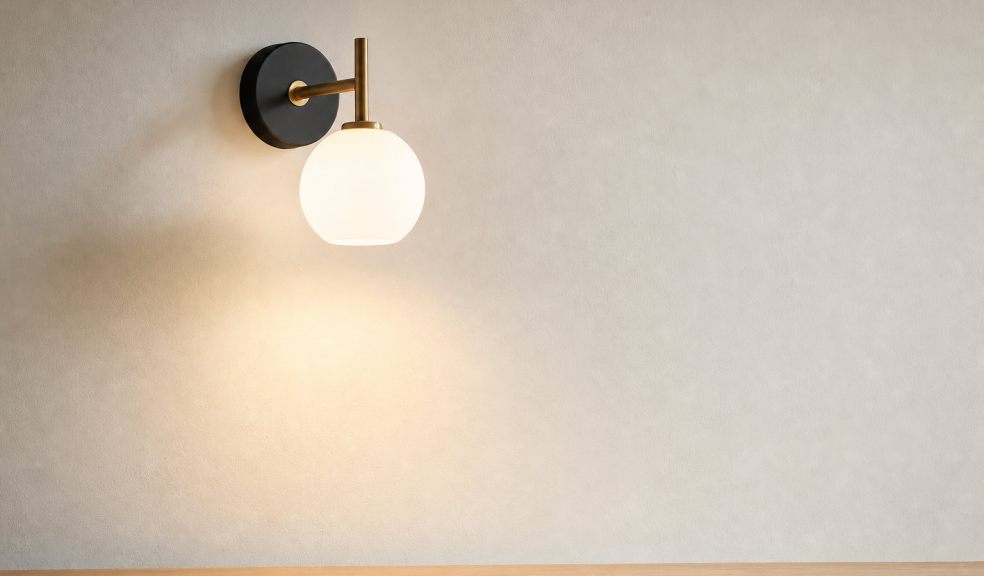
As design trends favour open-plan spaces and flexible layouts, decorative wall sconces have become increasingly common in shaping atmosphere and functionality. Lightweight and versatile, these fixtures suit both traditional and contemporary spaces, and respond to the growing demand for adaptable lighting solutions. Many homeowners now value lighting that addresses practical needs while expressing personal taste and purpose. Attention to wall-mounted lighting can help create cohesive and comfortable living environments suited to contemporary expectations.
Functional lighting becomes a design statement
Early wall lights were mainly used for illuminating corridors and bedrooms, with their primary value being function rather than design. These fixtures often provided basic lighting and were typically chosen for efficiency and discretion.
In recent years, designers have expanded the role of wall lights, incorporating them as visual features that provide mood, accent, and layered lighting effects, which can enhance a room’s overall style and character.
Style transformations and influences on design
Changes in preferences have promoted a mix of historic and modern forms. Traditional silhouettes with ornate details may now appear alongside minimalist mid-century designs and sculptural, contemporary pieces in the same home.
This blend allows for the expression of personal style while maintaining visual balance. Modern approaches often combine bold, graphic shapes with softer, organic outlines, capturing both design heritage and contemporary ideas.
Material choices, finish options and brand responses
The range of materials has grown from classic metals and glass to include ceramics, stone, fabric, and natural textures. Finishes vary widely, from polished brass to matte black and subtle patinas, offering choices that help unify different design schemes.
This emphasis on diversity requires brands to continually adapt. Leading names such as Visual Comfort curate collections that reflect a focus on both craftsmanship and modern performance, aligning with broader trends towards standout materials and shapes that remain timeless.
Technology advancement shapes placement and potential
Improvements in LEDs have resulted in wall lights that are cooler, more compact, and highly adaptable compared to previous options. Many fixtures now come with dimming, smart controls, and adjustable beam angles, providing tailored lighting where needed.
Careful placement considers rhythm within the space, glare management, and integration with the existing lighting plan. Modern homes frequently rely on wall lights for layered illumination, supporting circulation areas or providing comfortable light for reading and relaxation. The ongoing development of wall lighting continues to highlight the priorities of comfort, flexibility, and cohesive design throughout the home.