








How Decorative Finishing Elements Are Shaping Premium Interior Design
Premium interior design is increasingly being defined by subtle architectural detailing rather than oversized statement pieces or trend-driven decoration. Across the UK’s residential design sector, homeowners, architects and developers are placing greater emphasis on finishing elements that create depth, balance and visual refinement within modern living spaces.
This growing focus on detail reflects a wider shift in how luxury interiors are perceived. Rather than relying solely on expensive materials or expansive layouts, contemporary high-end design now prioritises craftsmanship, proportion and cohesion. Decorative finishing elements, including wall mouldings, ceiling details, skirting profiles and bespoke trim work have become central to achieving that effect.
Interior specialists say the trend has accelerated in recent years as homeowners spend more time evaluating the long-term functionality and appearance of their living environments. The influence of social media, architectural publications and premium property marketing has also raised awareness around the impact of fine detailing in residential interiors.
As a result, decorative finishing features that were once associated mainly with traditional or period properties are now being reinterpreted within contemporary homes, apartments and renovation projects.
Architectural Detail Is Returning to Modern Interiors
Minimalist design remains influential across the residential sector, but many designers argue that modern interiors now require more texture and architectural character to avoid appearing sterile. Decorative finishing elements are increasingly being used to soften open-plan layouts and introduce visual structure without overwhelming spaces.
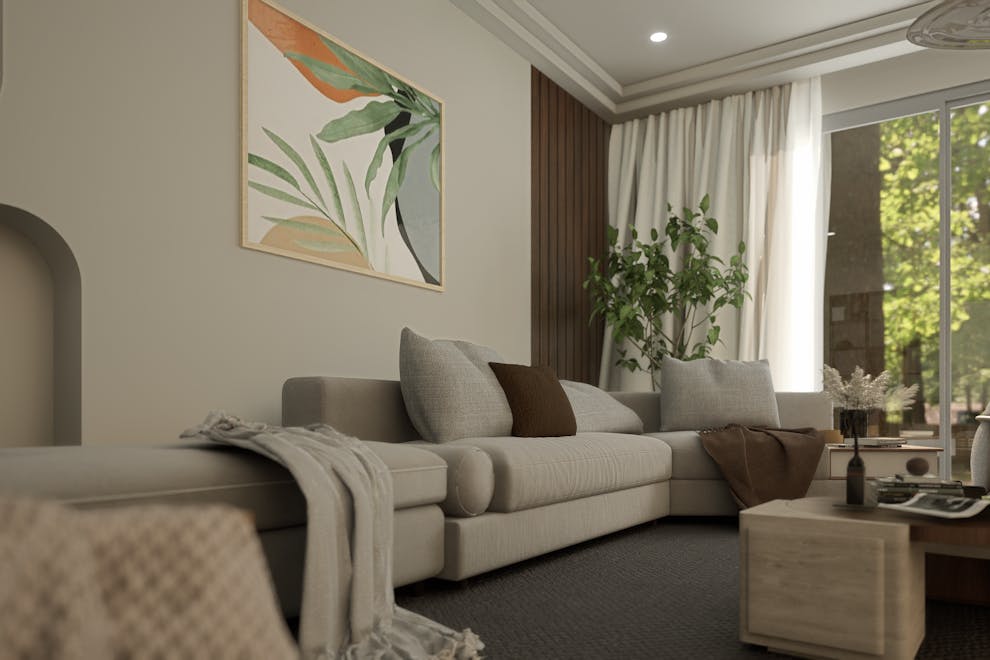
Wall panelling, ceiling mouldings and refined trim profiles are helping create cleaner transitions between surfaces while adding dimension to otherwise simple rooms. Designers say these features can make spaces feel more complete and intentional, particularly in properties where architectural detail was originally limited.
The trend has become especially visible in urban developments and newly renovated homes where owners want contemporary interiors that still retain warmth and individuality. Rather than copying traditional Victorian or Georgian aesthetics directly, many projects now incorporate simplified moulding styles and understated detailing suited to modern layouts.
Architectural consultants note that these additions often improve how proportions are perceived within a room. Ceiling features can draw attention upwards, while wall mouldings and skirting details help establish symmetry and visual continuity throughout a property.
Premium Design Is Moving Beyond Surface Decoration
Industry professionals say homeowners are becoming more selective about where they invest renovation budgets. Instead of focusing exclusively on furniture or decorative accessories, many are prioritising structural finishing work that has a longer-lasting impact on the overall interior environment.
This has increased demand for tailored joinery, integrated storage and decorative detailing that enhances architectural flow across multiple rooms. Interior upgrades are increasingly planned holistically, with finishing elements selected alongside flooring, cabinetry and lighting schemes rather than treated as separate afterthoughts.
Designers working on high-end refurbishments say clients are paying closer attention to how smaller details interact within a space. The thickness of skirting boards, the depth of wall panelling and the profile of ceiling trims can significantly influence whether an interior feels polished or inconsistent.
Digital inspiration platforms have also contributed to changing consumer expectations. Homeowners researching renovation ideas online frequently encounter professionally styled interiors where finishing details play a major role in defining the visual identity of a space. This has encouraged greater awareness of craftsmanship and material coordination.
For many consumers exploring renovation options, the ability to see the decorative moulding range available for different property styles has become part of the wider design planning process, particularly when aiming to create continuity between modern furnishings and more classical architectural influences.
Material Quality Is Becoming More Important
As decorative detailing becomes more central to interior design, material selection is receiving greater scrutiny. Homeowners and developers are increasingly looking for products that combine visual consistency with durability and ease of installation.
Engineered materials such as moisture-resistant MDF and pre-primed mouldings continue to gain popularity because they offer clean finishes and reliable performance across a range of residential applications. These materials are widely used in painted interiors where crisp lines and surface stability are essential to achieving premium results.
Design professionals say the quality of finishing materials often determines whether decorative elements appear sophisticated or overly decorative. Clean execution and restrained detailing remain critical to maintaining contemporary appeal.
This preference for refinement over excess reflects broader shifts within the luxury property market. Buyers increasingly associate quality with precision, balance and longevity rather than highly ornate interiors. Subtle detailing that complements architectural proportions tends to age more successfully than trend-focused decorative schemes.
Property developers have also responded to changing expectations by incorporating more detailed interior finishes into premium residential projects. Features once considered optional upgrades are now often used to differentiate higher-value homes in competitive housing markets.
Heritage Influences Continue to Shape Contemporary Design
The renewed popularity of decorative finishing elements also reflects continued interest in heritage-inspired interiors. British residential architecture has a long tradition of mouldings, panelling and ornamental detailing, and many contemporary designers are drawing selectively from those influences.
Rather than recreating historical interiors in full, modern projects often reinterpret traditional features using simpler forms and neutral colour palettes. This allows decorative detailing to enhance spaces without making them feel dated or overly formal.
Interior architects say this balance is particularly effective in renovated period properties where original architectural character can be preserved while adapting layouts for contemporary lifestyles. Decorative finishes can help bridge the gap between old and new elements within a home, creating a more cohesive visual identity.
At the same time, these features are increasingly appearing in entirely modern properties where they add depth and soften minimalist construction styles. The combination of clean lines with subtle classical references has become a defining characteristic of many premium residential interiors.
Detail-Led Design Is Likely to Remain Influential
Industry analysts believe decorative finishing trends will continue to shape residential interiors as homeowners place greater value on craftsmanship and long-term design quality. As renovation activity remains strong across the UK property market, carefully considered detailing is becoming an important way for homeowners to personalise spaces without relying on short-lived trends.
Design restraint is also expected to remain central to the movement. The most successful interiors increasingly rely on proportion, texture and architectural consistency rather than excessive decoration.
In that environment, decorative finishing elements are no longer viewed simply as ornamental additions. They have become essential tools in shaping interiors that feel refined, balanced and architecturally complete qualities that continue to define premium residential design in an increasingly detail-conscious market.