








Simple Renovation Ideas for Small Exeter Gardens
We all value our outdoor space - especially in the recent hot weather! However, a lot of Exeter homes have small gardens that may seem impossible to transform into the kind of shady, flowery oasis we’d all love this summer. However, with a bit of ingenuity and some heavy lifting, there’s actually a lot you can do with even the tiniest of gardens. If you’re stuck for inspiration, here are some ideas for transforming a small Exeter garden into the outdoor space of your dreams:
Plan the heavy work before you begin
Write a list of everything you need before buying your first bag of compost or paving slab. If you find you need big or heavy items like fencing, timber, or raised bed kits yourself, it might be worth considering hiring a larger vehicle. You can get bigger projects done much faster when leasing a van purely because you will spend a lot less time driving backwards and forwards, and you can clear old fencing, broken pots or unwanted garden furniture in the same trip.
Improve the soil before buying plants
Many parts of Exeter have heavy clay soil that doesn’t drain particularly well. Winter rain leaves it wet for weeks, while summer sunshine can make it hard enough to crack. So, before you do anything else, improve the soil as much as you can. Dig plenty of compost or well-rotted organic matter into the soil before planting - this will help your plants to establish more quickly, and you will spend less time watering during dry weather. If you’re really struggling with drainage in your ground soil, build raised beds instead.
Use your walls and fences
If you don’t have much ground space in your garden, take advantage of the space above it. For example, you could fix trellis panels to fences, hang planters from brick walls or fit narrow shelves for herbs and smaller pots. Train climbing roses, clematis or honeysuckle upwards instead of planting shrubs that spread across the garden.
If you’ve been driven inside by strong afternoon sunshine during the latest heatwaves, note that climbing plants also create shade without blocking all the light.
Choose plants that suit the space and conditions
Do not buy plants simply because they look good at the garden centre. Learn about the prevailing conditions in your garden and pick plants that suit them. For example, lavender, rosemary, salvia and verbena cope well with Exeter's warm, dry spells once they have established. If your garden receives more shade, choose ferns, hostas or hydrangeas. Roses, poppies, and sunflowers can thrive in sunny spots with good drainage. Remember, you will spend less time replacing plants if you match them to the space and conditions you already have.
Keep furniture to scale
Garden furniture is vital for making your garden a usable space, but it can also be hard to fit into a small garden. So, measure the garden before ordering furniture. Remember that many dining sets that look compact in a huge showroom can overwhelm a small patio once you carry them home. Measuring will give you a realistic idea of what can and cannot comfortably fit.
To save space, think about multi-purpose furniture. For example, a storage bench gives you somewhere to sit while hiding tools, toys or cushions, and folding chairs can be put back into the shed or spare room when you need the extra space.
Pick one focal point
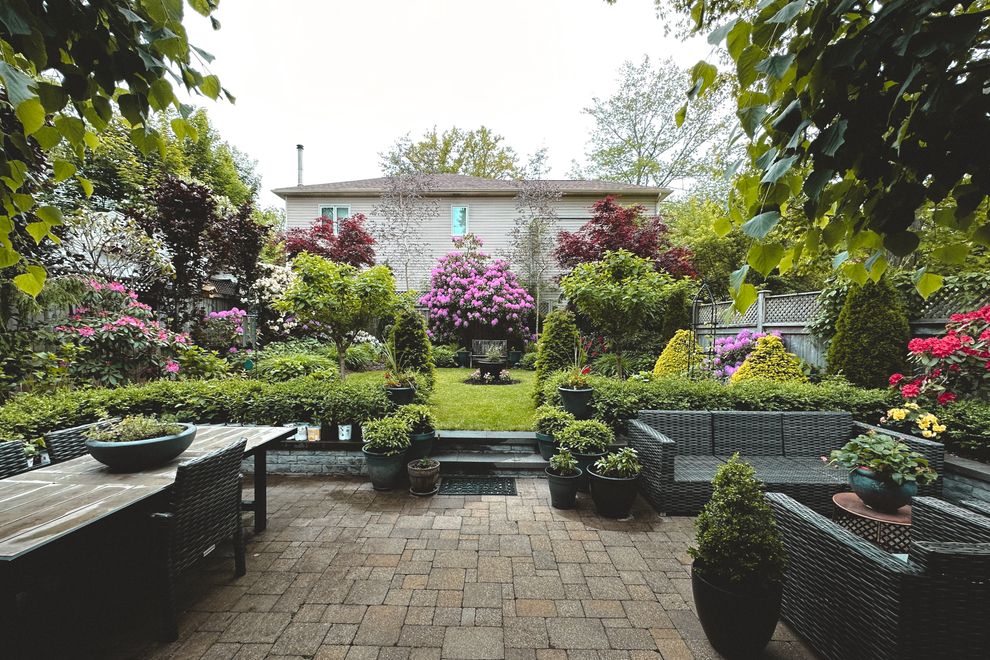
Choose one feature that people notice first, and make it a focal point. This could be something like a decorative bench, a specimen acer, a simple water bowl or a small fire pit. In a limited space, one major feature will usually look better than filling every corner with ornaments, mirrors and oversized pots.
Resist the temptation to fill every gap
Many people buy another planter or another ornament because an empty corner feels unfinished. In a small garden, empty space often improves the overall design. Give plants room to grow, keep paths clear and avoid squeezing furniture into every available gap. Your garden will feel larger because you resisted the temptation to keep adding things.
Enjoy your small but lovely garden!
Even the tiniest gardens can become lovely outdoor spaces if you’re clever with the space, don’t overcrowd it with features, use plants strategically, and respect the conditions you have. So, get yourself to the garden centre and transform your outdoor space - however small!