








How Better Outdoor Lighting Can Make Your Garden More Useful After Dark
A garden should not stop being useful the moment the sun goes down. For many homes, the outdoor space is where people relax after work, enjoy a quiet drink, entertain friends, or simply step outside for a bit of fresh air. But without the right lighting, even a well-designed garden can feel dark, awkward, or underused in the evening.
Good outdoor lighting does more than brighten a space. It helps people move safely, makes entrances feel more welcoming, and gives patios, paths, and planting areas a softer atmosphere. The best results usually come from a simple, thoughtful plan rather than one bright light trying to cover everything.
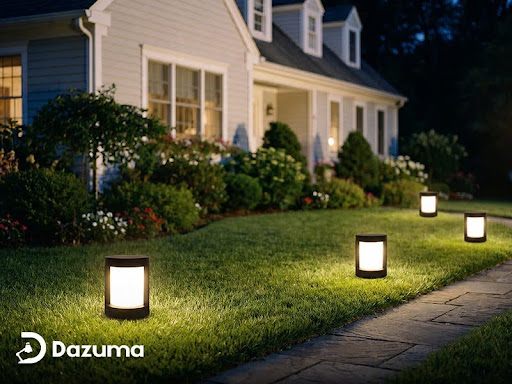
Soft outdoor lighting can make paths, patios, and garden edges feel safer and more inviting after sunset.
Start With the Areas You Use Most
Before choosing any fixtures, it helps to walk through the garden in the evening and notice where light is actually needed. The main path, patio steps, side gate, driveway edge, garden seating area, and back door are usually the best places to begin.
These are the areas where lighting improves everyday comfort. A softly lit path makes it easier to walk safely. A brighter back door helps with keys, bins, pets, and deliveries. A gently lit patio encourages people to keep using the space later in the evening.
Once these practical areas are covered, decorative lighting can be added around plants, walls, trees, or water features.
Why Low Voltage Lighting Works Well Outdoors
Low voltage lighting is a popular choice for garden and landscape areas because it allows several smaller lights to work together. Instead of depending on one harsh floodlight, homeowners can place light exactly where it is needed.
Quality Outdoor Low Voltage Lights can be useful along paths, borders, patios, steps, and planting areas. They help create a softer and more controlled effect, which is usually better for residential gardens than strong, direct lighting.
This type of lighting also makes it easier to build layers. A few lights can guide movement, a few can highlight garden features, and a few can make the patio feel warmer. Together, they create a balanced outdoor space that feels comfortable rather than overlit.
Make Paths and Steps Feel Safer
Paths and steps should always be considered early in an outdoor lighting plan. Even small level changes can become difficult to see at night, especially in wet weather. Lighting does not need to be intense, but it should clearly show where people are walking.
The best path lighting creates gentle pools of light with some shadow between them. This looks more natural than placing fixtures too close together in a bright line. It also helps the garden keep some depth and atmosphere.
Create a Patio That Feels Like an Outdoor Room
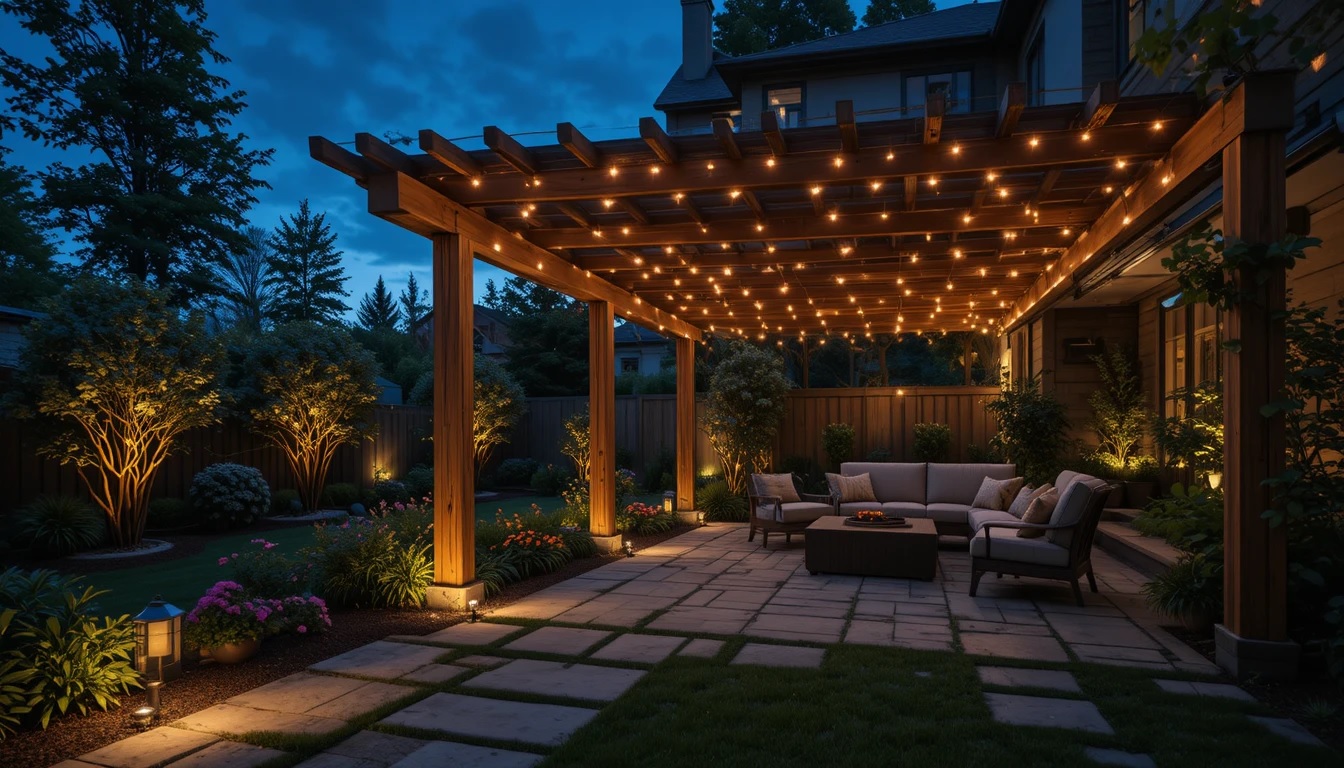
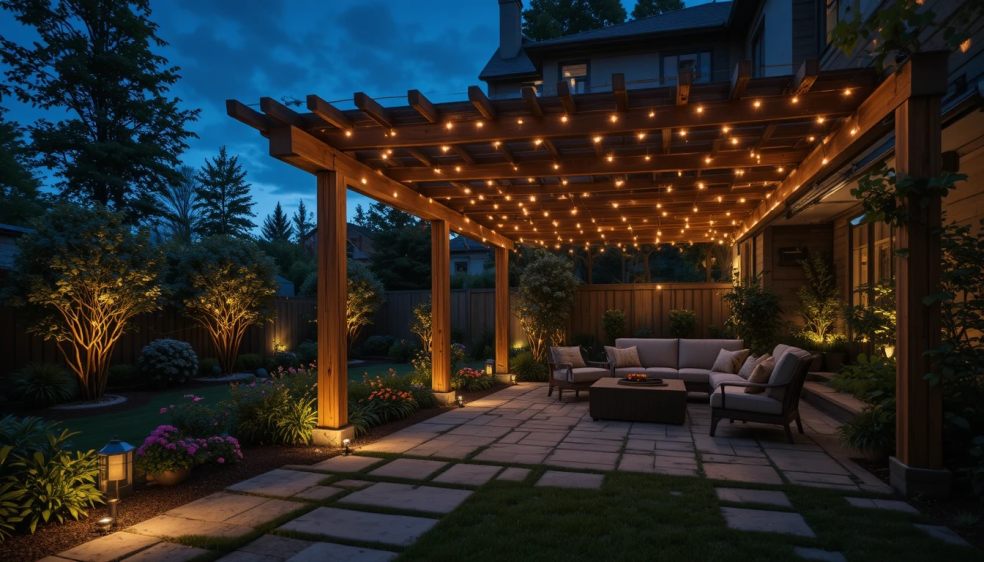
A patio can feel much more inviting when the lighting is layered. One bright wall light may be practical, but it can also create glare and strong shadows. A softer mix of lights usually works better.
For example, lighting near the back door can help with visibility, low garden lights can define the edge of the patio, and accent lights can pick out nearby plants or a textured wall. This makes the patio feel like a proper outdoor room rather than a dark space behind the house.
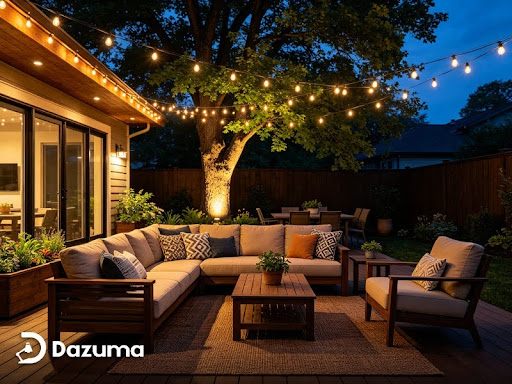
Layered garden lighting can make patios feel warmer, calmer, and more usable in the evening.
Use Warm Light for a More Comfortable Mood
Colour temperature has a big effect on how outdoor areas feel. Very cool white light can look sharp and practical, but it may feel too harsh around patios, garden paths, and seating areas. Warm white light is usually more comfortable for homes because it works well with brick, stone, timber, plants, and outdoor furniture.
Warm lighting also helps the garden feel calmer. It creates a softer evening mood, which is especially useful for spaces designed for relaxing or entertaining.
Think About Style and Durability
Outdoor lights need to look good, but they also need to handle real weather. Rain, wind, insects, dust, and temperature changes can all affect fixtures over time. Choosing lighting made for outdoor use is important, especially in exposed garden areas.
It is also worth keeping the style consistent. A modern home may suit simple black or metal fixtures, while a traditional property may look better with warmer finishes or lantern-inspired designs. Homeowners comparing different lighting styles can browse Dazuma for ideas across outdoor and indoor lighting categories.
Avoid Overlighting the Garden
One of the most common mistakes is adding too much light. A garden does not need to be bright everywhere. In fact, outdoor spaces often look better when some areas remain darker.
Light should guide movement, support safety, and highlight the best parts of the space. Shadows help create depth and make the lit areas feel more intentional. If every corner is equally bright, the garden can look flat and less relaxing.
Final Thoughts
Outdoor lighting can make a garden safer, more practical, and more enjoyable after dark. The best approach is to begin with the areas people use every day, such as paths, steps, entrances, and patios. After that, a few softer accent lights can add atmosphere and bring attention to the garden’s best features.
With warm light, careful placement, and a balanced layout, even a simple outdoor space can feel more welcoming in the evening. A good lighting plan does not need to be complicated. It just needs to support the way people actually use the garden.