








How to Choose the Right Woodworking Machine - A Buyer’s Guide
Woodworking machines are vital to industries such as construction, furniture manufacturing, packaging, and musical instrument manufacturing. Regardless of the size of the business, automating woodworking processes can greatly improve productivity while reducing labor costs and waste.
So, buying a woodworking machine can be considered a long-term investment, especially because the good ones rarely require maintenance. As with any investment, the upfront cost (of buying a new machine) isn’t the only aspect to consider; it’s also necessary to consider its potential return on investment (ROI). Here’s how to choose woodworking machines that will keep on giving.
What Does ROI Mean?
In the woodworking industry, ROI can be measured by the total cost of a new tool or piece of equipment against the time, money, and resources it’ll likely save in the long run. Notice that “total cost” doesn’t mean only the price tag on woodworking machines. On top of the purchase price, buyers must also calculate delivery, setup, adjustments like special wires or ventilation, and expected maintenance costs.
When it comes to calculating the benefits of a new piece of equipment, buyers shouldn’t be too hopeful or play it by ear, as there are objective ways of calculating them. A circular saw machine cuts wood much faster than manual tools, like a regular saw. If buying a circular saw machine or an edge banding machine will save 10 hours of human labor monthly (at USD 30 per hour), a USD 5,000 machine will pay for itself pretty quickly. Notice that needs and budgets may vary between craftspeople and businesses in that sense.
Telling the Best from the Rest
As a long-term investment, buying new woodworking equipment requires careful planning. In fact, prospective buyers have quite some homework to do before producing their wallets. There are three main points to consider first: budget, space availability, and production needs; the best option will fit all of them. A combined woodworking machine can be costly and downright wasteful if underused. If the desired machine requires more space than is currently available, adaptation costs must be considered.
It’s also necessary to check aspects like safety features, user-friendly controls, cutting accuracy, motor power, and dust collection systems. Finally, buyers must consider the options for after-sales support and parts availability. The best companies provide continuing support to their clients, instead of leaving them on their own after purchase.
Replacing parts can become a hassle if they are scarce or need to be imported, generating extra costs that can’t be overlooked. Italian manufacturers would be much better off with " Made in Italy woodworking machinery, for instance.
Most Common Machines
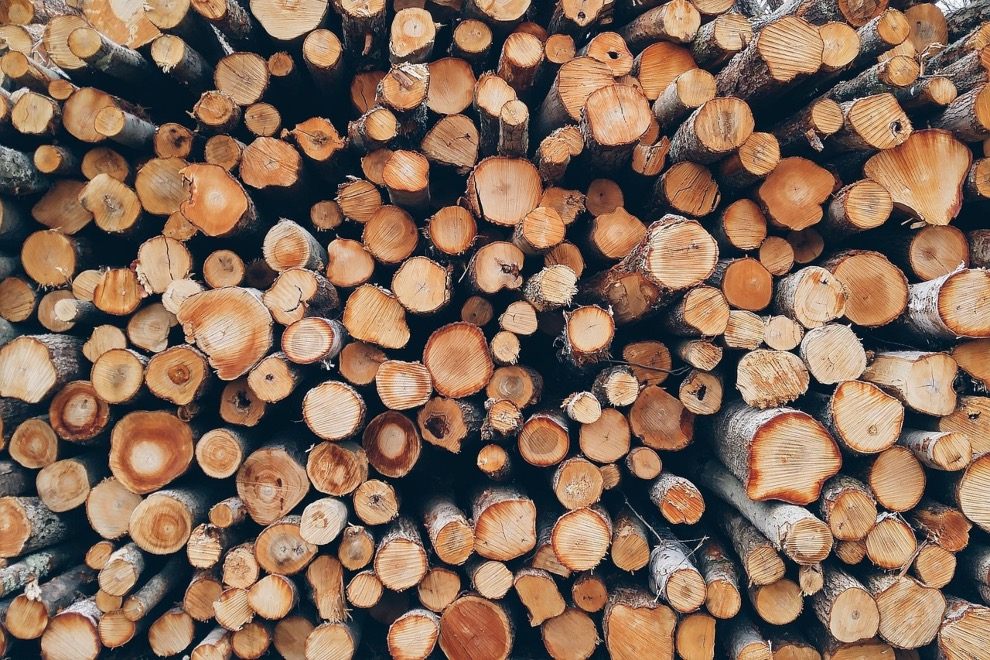
There are many types of woodworking machines, handling different tasks and processes. Yet, most of them fit into the categories described below.
Surfacing Machines
Surfacing machines can turn raw lumber into smooth and flat pieces. A wood thickness planer or jointer is the most recommended equipment for such tasks, and they commonly work together. While a planer turns uneven, warped lumber into flat boards, a jointer will shave bottoms, tops, and edges.
Sawing Machines
Sawing machines cut large pieces of wood into small parts, in varied shapes and for varied purposes. Table saws and band saws of different sizes can be used for this task. Table saws have circular blades that run through the table, and all workers have to do is push the piece forward. Table saws are perfect for straight cuts, but cutting curvy lines requires a band saw, which is a toothed metal loop that cuts through some pretty thick pieces of wood.
Shaping Machines
Shaping machines, as the name suggests, can cut pieces into specific shapes. Arguably, CNC (Computer Numerical Control) is one of the most famous, as it can automatically cut any desired shape at scale. Wood lathes are less technological but still very useful. These machines spin wood pieces at high speeds, allowing workers to easily shape them with chisels. There’s also the spindle moulder, which makes decorative joints and edges.
Finishing Machines
In order to ensure a smooth surface, the last step involves edge banders and sanders. Edge banders finish board edges with thin plastic or wood, while sander machines use large belts in a circular motion.
Gallery