








The Importance of Educational Group Tours: Discover, Learn, and Grow Through Group Travel
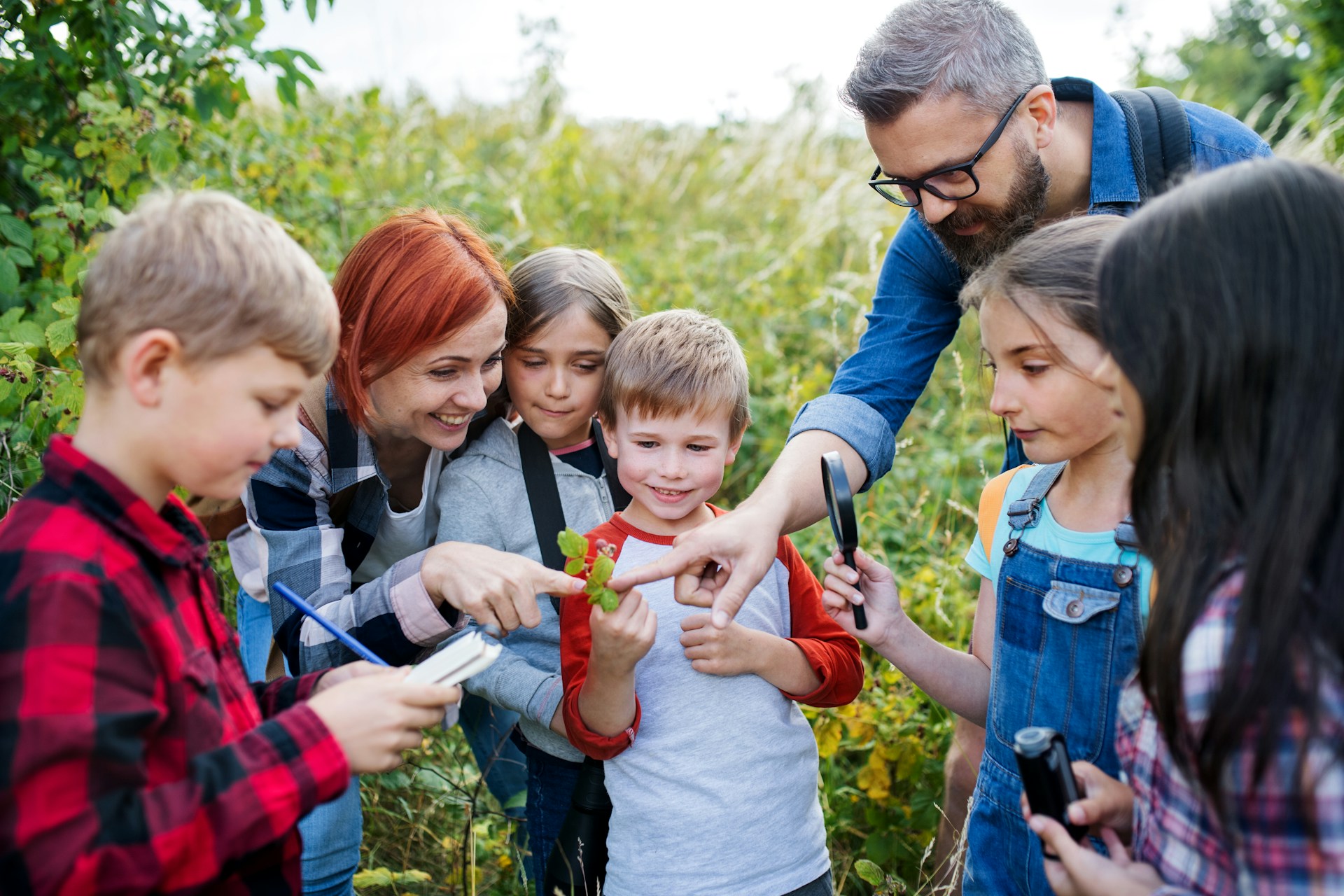
In an age where digital learning dominates the educational landscape, there remains something profoundly irreplaceable about stepping outside the classroom walls and experiencing the world first-hand. Educational group tours represent far more than mere excursions—they are transformative journeys that combine structured learning with adventure, cultural immersion, and personal development. Whether exploring historical landmarks, engaging with different cultures, or studying ecological systems in their natural habitats, group educational travel offers students and learners of all ages an opportunity to contextualise their knowledge, broaden their perspectives, and develop skills that extend far beyond textbook learning.
Beyond the Classroom: The Power of Experiential Learning
Traditional classroom education, whilst foundational, often struggles to bring abstract concepts to life. Educational group tours bridge this gap by providing experiential learning opportunities that engage multiple senses and create lasting memories. When students stand before the Colosseum in Rome, they don't merely read about ancient civilisation—they feel the weight of history beneath their feet. When they observe marine life whilst snorkelling in a protected reef, they understand conservation not as a theoretical concept but as an urgent, tangible reality.
Research consistently demonstrates that experiential learning leads to higher retention rates and deeper understanding. The act of physically engaging with subject matter creates neural pathways that passive learning cannot replicate. Students who visit a science museum and participate in interactive exhibits, for instance, are more likely to remember scientific principles than those who only read about them. Educational tours capitalise on this by transforming destinations into living classrooms where every monument, landscape, and cultural interaction becomes a lesson in itself.
Fostering Cultural Awareness and Global Citizenship
In our increasingly interconnected world, cultural competence has become an essential skill. Educational school group tours provide invaluable opportunities for young people to step outside their familiar environments and engage with different ways of life, languages, and worldviews. This exposure is particularly crucial during formative years, when attitudes towards diversity and difference are being shaped.
When students travel to foreign countries, they encounter perspectives that challenge their assumptions and broaden their understanding of global issues. They learn that there are multiple approaches to problem-solving, various cultural expressions of values, and diverse ways of organising society. A visit to a rural village in developing nations might illuminate the realities of poverty and inequality, whilst a tour through European capitals might highlight different political systems and social structures.
Furthermore, these experiences cultivate empathy—a quality that cannot be taught through lectures alone. Breaking bread with host families, navigating language barriers, and observing daily life in different cultural contexts all contribute to developing compassionate, globally-minded individuals. Such encounters help dismantle stereotypes and prejudices, replacing them with nuanced understanding and genuine appreciation for human diversity.
Developing Essential Life Skills Through Shared Experiences
Educational group tours serve as intensive training grounds for developing crucial life skills. The very nature of group travel demands adaptability, problem-solving, and resilience—qualities that prove invaluable throughout life. Students must navigate unfamiliar environments, manage their belongings, adhere to schedules, and cope with unexpected changes, all whilst being away from the comforts of home.
Communication skills flourish during group tours as participants must articulate their needs, collaborate with peers, and interact with people from different backgrounds. Those who might be shy in classroom settings often find their confidence growing as they're encouraged to order meals in foreign languages, ask for directions, or share observations with their group. These seemingly small interactions build self-assurance and independence.
Time management and organisational skills also develop naturally during educational tours. Students learn to balance structured activities with free time, manage personal budgets, and keep track of important documents and belongings. The consequences of poor planning—missing a museum tour or running out of spending money—provide immediate, memorable lessons in responsibility.
Moreover, group travel teaches the delicate art of compromise and cooperation. Living in close quarters with peers, making collective decisions, and accommodating different preferences and needs all require patience, flexibility, and emotional intelligence. These experiences in negotiation and conflict resolution prepare young people for collaborative work environments and interpersonal relationships throughout their lives.
Strengthening Social Bonds and Building Community
The shared experiences of educational group tours create powerful bonds between participants. Whether students, colleagues, or members of special interest groups, travellers who journey together develop connections that often endure long after the trip concludes. These relationships are forged through shared discoveries, overcome challenges, and collective memories of awe and wonder.
For school groups, educational tours can transform classroom dynamics. Students who might never interact within the school's social hierarchies find common ground whilst exploring a medieval castle or hiking through a national park. These experiences help break down cliques and foster a more inclusive, cohesive class community. Teachers, too, benefit from seeing their students in different contexts, gaining insights into individual personalities and capabilities that might not emerge in traditional classroom settings.
The group aspect also provides crucial emotional support, particularly for younger travellers or those venturing abroad for the first time. Knowing that peers are experiencing the same excitement, homesickness, or cultural confusion creates solidarity and helps individuals navigate the emotional complexities of travel. This support network encourages participants to step outside their comfort zones, knowing they have a community to fall back upon.
Enhancing Academic Performance and Career Prospects
The benefits of educational group tours extend well beyond the journey itself, positively influencing academic achievement and future career opportunities. Students who participate in educational travel often demonstrate increased engagement with their studies upon returning home. Having seen historical sites, scientific phenomena, or artistic masterpieces in person, they approach related coursework with renewed interest and deeper comprehension.
Universities and employers increasingly value the skills and experiences gained through educational travel. The ability to adapt to new environments, work effectively in diverse teams, and demonstrate cultural competence are highly sought-after qualities in today's globalised workforce. Students who can articulate how their educational tours contributed to their personal and intellectual growth stand out in applications and interviews.
Furthermore, educational tours can inspire future academic and career paths. A biology student visiting the Galápagos Islands might discover a passion for conservation biology. A history enthusiast exploring World War II sites across Europe might be motivated to pursue graduate studies in military history. These formative experiences often serve as catalysts, transforming casual interests into lifelong pursuits.
Practical Considerations for Maximising Educational Value
To ensure educational group tours deliver maximum benefit, careful planning and purposeful design are essential. Tours should align with clear learning objectives, whether curricular goals for school groups or professional development aims for adult learners. Pre-departure preparation—including research assignments, cultural briefings, and language basics—helps participants arrive ready to engage meaningfully with destinations.
During tours, structured reflection opportunities allow participants to process experiences and connect observations to broader themes. Journalling, group discussions, and guided debriefs help transform raw experiences into lasting learning. Post-trip assignments, presentations, or projects further cement knowledge and encourage participants to share insights with broader communities.
Safety, inclusivity, and accessibility must also be prioritised. Reputable tour operators should provide comprehensive risk management, appropriate supervision ratios, and accommodations for participants with varying needs and abilities.
Conclusion
Educational group tours represent a powerful pedagogical tool that addresses the multifaceted needs of modern learners. By combining academic content with experiential learning, cultural immersion, and social development, these journeys create transformative experiences that shape minds, broaden perspectives, and build character. In an era when global challenges demand collaborative, culturally-competent problem-solvers, the importance of educational group travel cannot be overstated. These tours don't merely supplement education—they enrich it immeasurably, preparing participants not just for examinations, but for engaged, meaningful participation in our complex world. As we continue to navigate an uncertain future, the investment in educational group tours remains an investment in developing thoughtful, capable, and compassionate global citizens.