








How Better Ventilation, Colour and Security Are Shaping Window Choices
Ask anyone replacing the windows in an older Exeter home what matters most and, until fairly recently, the answer would probably have been appearance. Does it suit the house? Does it look right from the street? Those questions still matter, but they are no longer the whole story. Across Exeter, Devon and older towns throughout the UK, homeowners are thinking harder about ventilation, colour, security, maintenance and long-term quality before signing off on new windows.
Why window choices are becoming more considered
Part of the change comes down to how we live in our homes. Better insulation, higher energy bills and more time spent working from home have all made people more aware of comfort, airflow and everyday usability. A window is no longer just something you look through; it is part of how a house breathes, how secure it feels and how much upkeep it demands.
For owners of period-style and character properties, from Victorian terraces to quaint cottages in the heart of Devon, there is an added layer. Any replacement needs to respect the building's proportions and detailing while consistently delivering modern performance. That balancing act is shaping what homeowners, landlords and local installers now ask for.
Ventilation without spoiling traditional sightlines
Ventilation has become one of the most discussed details in window design. As homes become more airtight, background airflow matters more, both for comfort and for managing condensation. Building regulations now generally require trickle ventilation in replacement windows, so the question is no longer whether to include it, but how.
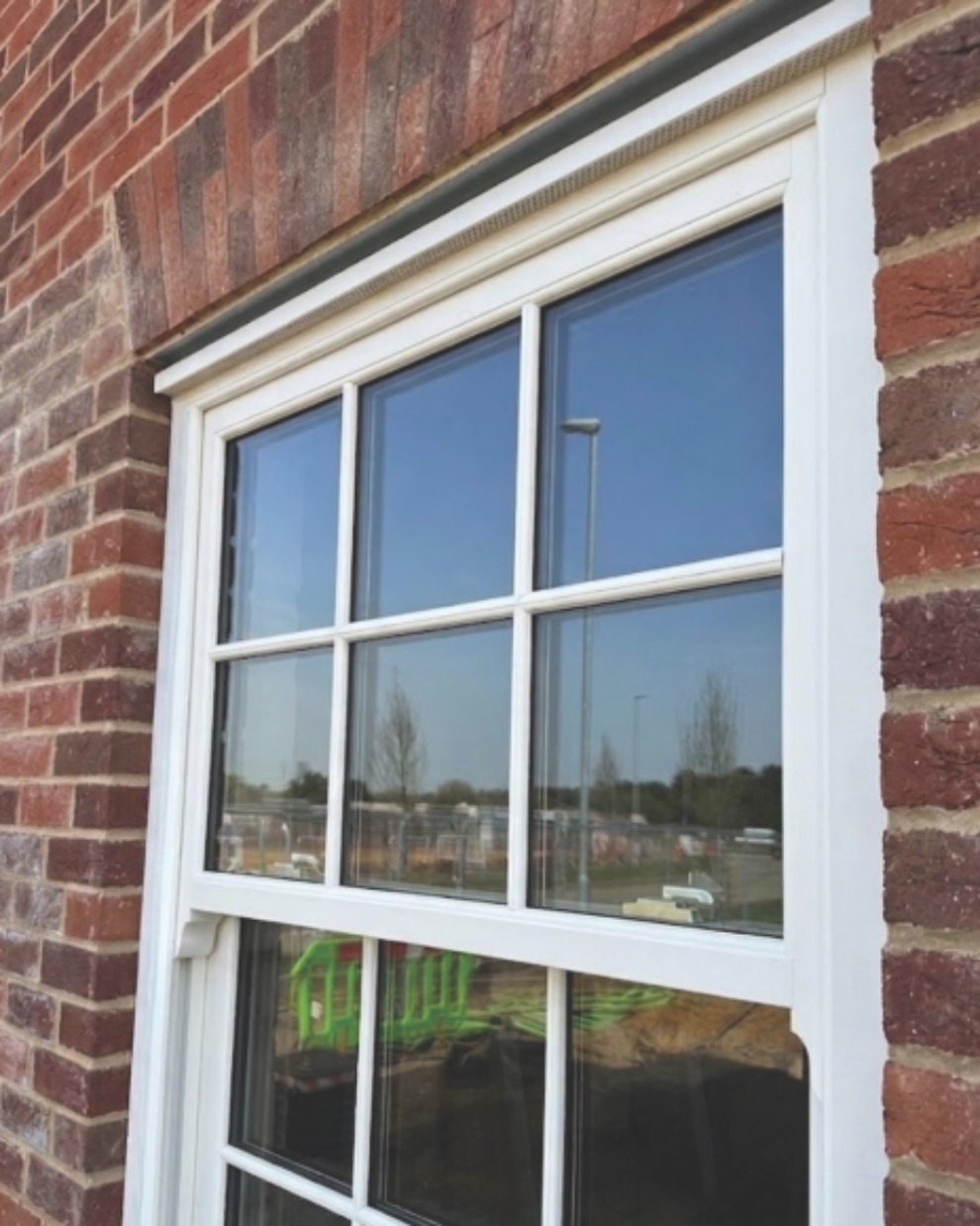
On a traditional-style sash window, a visible trickle vent bolted across the head of the frame can interrupt the clean lines that make the design attractive in the first place. It’s a small detail, but on a period-style window small details are exactly what the eye notices. This is why concealed ventilation has become such a talking point: uPVC sliding sash windows with ventilation integrated discreetly into the frame can meet airflow requirements while preserving tidy sightlines. For anyone updating a heritage style home, it is worth asking installers how ventilation will be handled before choosing a product, not after.
Why colour matters on character homes
Colour is another area where thinking has moved on. Smooth white uPVC suits plenty of properties, but on older homes it can look slightly stark. Softer white tones, along with creams and muted heritage shades, often sit more comfortably on period-style houses and refurbishment projects.
Kerb appeal and character are key. The right finish helps a replacement window feel as though it belongs to the house, which matters to homeowners and can make a genuine difference to how a property presents when it comes to letting or selling.
Security as part of everyday reassurance
Security is increasingly part of the new window conversation. Modern locking hardware has improved considerably, and there is growing interest in smart-ready features. Depending on the product and system used, discreet sensors can let a homeowner check through an app whether a window is open or closed, which is useful when heading out, going on holiday or managing a rental property from a distance.
No window can promise total protection, and buyers should be wary of anyone suggesting otherwise. What good design can offer is practical, everyday reassurance, built in from the start rather than added as an afterthought.
How modern sash windows are adapting
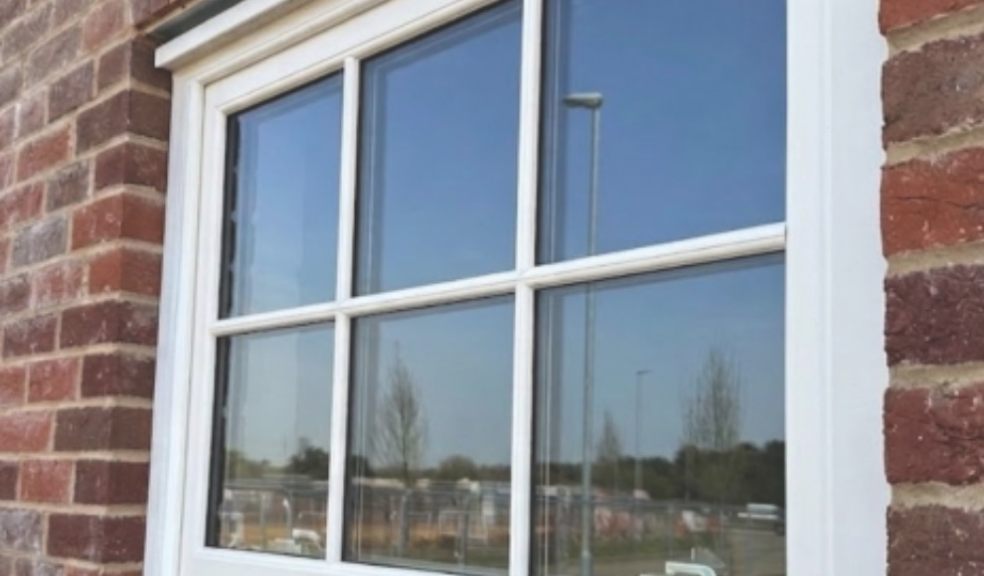
Sliding sash windows remain closely associated with traditional streets, terraces and character homes, and modern versions have come a long way from being simply a low-maintenance stand-in for timber. Today's traditional-style uPVC sash windows for character homes are expected to combine authentic proportions and detailing with discreet ventilation, sympathetic colours, secure hardware and easy upkeep.
Manufacturers are responding to those expectations. Quickslide, a multi-award-winning UK manufacturer of uPVC sliding sash windows, is a good example: its flagship Legacy sash window offers a concealed head vent to keep modern upgrades looking subtle, a Chalk White colour option aimed at period-style homes and heritage refurbishments, and Legacy Protect, designed to work with Kubu smart security sensors. The company has also been shortlisted for Manufacturing Partner of the Year at the Architect of the Year Awards 2026, a sign of how seriously the industry now takes these details.
The value of consistent manufacturing details
Behind every finished window sits a complex manufacturing process, and consistency matters more than many homeowners realise. Factory-prepared details, from glazing and hardware to ventilation and colour finishing, tend to be more reliable than elements adapted on site. For installers and refurbishment specialists, consistent products mean fewer surprises and faster fitting; for homeowners and landlords, they mean windows that perform the same way across a whole property.
Ongoing product development counts too. Windows are designed to last for decades, so choosing a manufacturer with a track record of refining its products is a sensible long-term choice.
Choosing windows that suit the property
For anyone planning an upgrade, the practical advice is straightforward. Look at the whole specification, not just the style. Ask how ventilation is integrated, which colour finishes suit the age of the house, what security hardware is included and whether smart options are available. Ask installers what is prepared in the factory and what is done on site.
Conclusion
Better ventilation, more sympathetic colour choices and practical security features are quietly reshaping how homeowners approach window upgrades. For homeowners, landlords, builders and installers across Exeter and Devon, the challenge is to improve comfort, airflow, maintenance and reassurance without losing the character that makes older properties appealing. Small specification choices, from discreet ventilation and softer colour finishes to smart security readiness and well-prepared factory components, can help traditional-looking homes keep their appearance while becoming easier to live with, maintain and improve.