








What Exeter's Independent Businesses Do Before the Summer Crowds Arrive
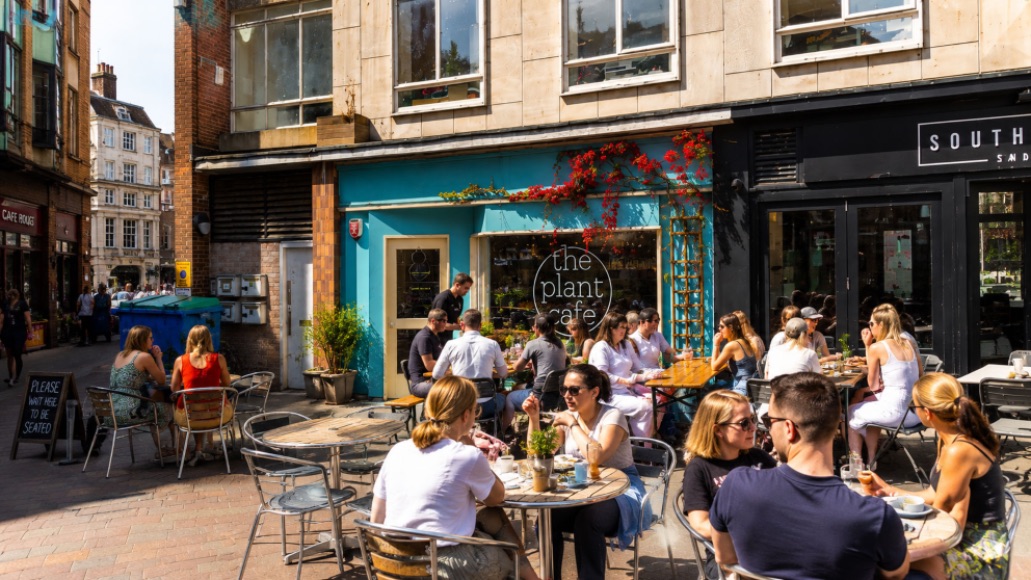
On a warm summer afternoon, Exeter can appear effortlessly welcoming. Cafes spill onto pavements, independent shops welcome a steady flow of customers, the Quayside becomes busier as visitors make the most of the weather, and people move between markets, attractions and the city's distinctive neighbourhoods with little thought for what keeps everything running so smoothly.
The reality begins much earlier.
Every year, Devon's visitor economy contributes around £2.3 billion to the local economy, supports more than 50,000 jobs and encompasses almost 4,900 tourism businesses. Exeter forms an important part of that wider visitor economy, attracting people to its independent shops, historic streets, riverside spaces and cultural attractions. Behind every successful trading period, however, sit weeks or even months of decisions that most customers never see.
That unseen work shapes almost everything visitors experience. A relaxed atmosphere, confident staff, well-stocked shelves and quick service rarely happen by chance. They usually reflect careful planning carried out long before the busiest weekends arrive.
The challenge is that summer demand rarely arrives in one predictable wave.
Summer Doesn't Arrive All at Once
It is easy to picture summer as one long busy season stretching from June until the end of August. For many independent businesses, the reality is far less predictable.
Demand rises and falls in response to a combination of weather, school holidays, weekends and local events. A spell of warm weather can transform activity around the Quayside almost overnight, while an event elsewhere in the city may create a noticeable increase in footfall for one neighbourhood without significantly affecting another. Some businesses experience their busiest periods during the daytime, while others see activity build into the evening as restaurants, bars and cultural venues become busier.
Different parts of Exeter naturally experience those changes in different ways. Independent retailers around Fore Street and the West Quarter may notice increased interest during market days and weekend shopping, while Gandy Street and the Castle Quarter often settle into a different rhythm as evening visitors arrive for food, drink and entertainment. Seasonal events such as First Thursdays or local markets can create concentrated bursts of activity that reward businesses prepared for a sudden increase in customers rather than a gradual rise over several weeks.
Responding to that uncertainty is often harder than preparing for consistently high demand.
Businesses need enough stock to cope with unexpectedly busy periods without tying up unnecessary cash in products they may never sell. Hospitality operators must think carefully about staffing levels, knowing that a warm Saturday afternoon may look very different from a rainy weekend just a few days later. Extending opening hours may make sense during one period but create unnecessary costs during another.
Independent businesses rarely have the luxury of waiting to see what happens before making those decisions. Suppliers need advance notice, rotas are planned, and stock is often ordered well before the busiest periods begin. Every decision involves balancing opportunity against risk. Order too early, and money sits on shelves. Wait too long, and suppliers may struggle to meet demand when everyone needs them at once.
Preparing for summer is less about predicting the future than giving a business enough flexibility to cope with whatever arrives. Owners cannot control the weather or know exactly how visitor numbers will change, but they can build systems that make it easier to respond when trading becomes busier than expected.
Because those changes can happen so quickly, much of the most important work begins before customers notice anything different.
The Work Begins Long Before Customers Arrive
A successful July often depends on decisions made in May.
Long before outdoor tables fill or queues get a little longer, independent businesses are already reviewing how they will cope if demand increases. Some decide to recruit temporary staff, while others extend the hours of existing employees who already understand the business, its customers and its routines. Every approach depends on the size of the team, the type of business and how unpredictable the summer is likely to be.
Training becomes equally important during this period. New employees need time to learn systems, understand products and gain confidence before the busiest weeks arrive. Even experienced teams often use the quieter weeks beforehand to review responsibilities, refine workflows and identify small improvements that could make busy trading feel calmer for both staff and customers.
Stock planning demands equally careful judgement.
Restaurants and cafés may increase orders for seasonal favourites while remaining cautious about ingredients with a short shelf life. Retailers need enough popular products in stock without filling valuable storage space with items that may sit unsold. Every decision ties up cash, so ordering too much can be just as problematic as ordering too little.
Suppliers also become part of the equation. As more businesses prepare for summer, lead times may tighten, and availability may change. Confirming deliveries early, maintaining good supplier relationships and having contingency plans in place can prevent small problems from becoming much larger ones during the busiest weeks.
Preparation extends well beyond staffing and stock. Outdoor seating needs attention before the first spell of hot weather; equipment should be checked before it comes under heavier use, and displays or service areas may need adjusting to cope with larger numbers of customers. Small teams also spend time clarifying responsibilities so everyone knows where support is needed if trading suddenly becomes much busier than expected.
Large organisations can often absorb small mistakes without customers noticing. Independent businesses rarely have that luxury. One delayed delivery, one unexpected staff absence or one exceptionally busy Saturday can affect the entire day's trading. Taking care of those details early gives smaller teams the best chance of staying organised when demand increases.
Most customers never see those supplier calls, rota changes or early-morning planning sessions.
They simply experience a business that feels calm, organised and effortlessly welcoming.
Small Decisions Shape the Customer Experience
Customers rarely think about the operational work that sits behind a well-run business. They simply notice when everything feels easy.
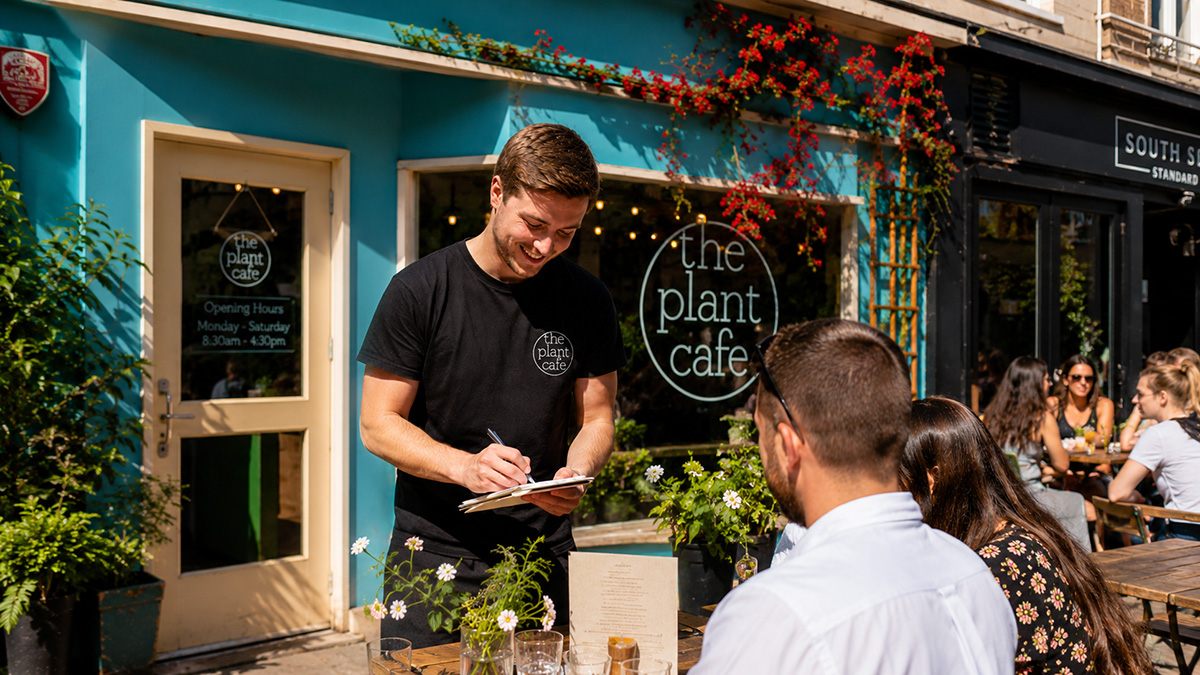
A clear sign pointing people towards the correct queue, shelves that remain well-stocked during busy periods, or a member of staff who can answer a question confidently all contribute to an experience that feels organised rather than hurried. Individually, those details may seem unremarkable. Together, they often determine whether customers leave feeling looked after or frustrated.
Consistency becomes even more important when businesses expand their teams for the summer or adjust their operations during busier periods. New employees need to understand not only how systems work but also how the business wants customers to feel. Clear communication among colleagues, straightforward processes, and visible leadership all help maintain consistency when trading becomes more demanding.
Customers also appreciate knowing where to go and who to approach when they need assistance. During quieter periods, that often happens naturally. As footfall increases, however, those small moments become less obvious. Clear signage helps visitors navigate unfamiliar spaces, while recognisable staff can answer questions quickly, so customers don't have to wonder who is available to help.
To better understand how independent businesses prepare for busy trading periods, we also spoke with the team at The T-Shirt Bakery, a UK custom clothing company that works with businesses nationwide on branded apparel.
The team explained that businesses often view staff visibility as part of a broader operational picture rather than a standalone decision. When permanent employees and temporary team members are easy to recognise, customers can more quickly identify who to approach, while colleagues can support one another more confidently during busy periods. Branded clothing is one way to support that consistency, but it works best alongside clear signage, effective training, good communication, and well-planned customer service.
That balance reflects a broader pattern seen across many successful independent businesses. No single improvement transforms the customer experience on its own. Instead, dozens of small operational decisions work together to create an environment that feels calm, welcoming and well organised, even when demand increases unexpectedly.
Customers may never consciously notice those individual details.
They often remember how the business made them feel.
Staying Independent While Getting Busier
Growth creates opportunities for independent businesses, but it also presents a less obvious challenge from the customer's perspective.
As visitor numbers increase, businesses need to serve more people without losing the qualities that encouraged customers to return in the first place. Friendly conversations, local knowledge, thoughtful recommendations and a genuine welcome all become harder to maintain when queues grow longer and teams become busier.
Preparation creates the space for those moments to continue.
When staffing, stock, supplier arrangements and customer-facing systems have already been considered, employees spend less time reacting to problems and more time helping the people in front of them. Careful organisation does not remove the personality from an independent business. It protects the time needed for personality to remain visible.
That is important in a city such as Exeter, where different neighbourhoods each contribute something distinctive to the wider visitor experience. People visiting Fore Street, Gandy Street, the Castle Quarter or the Quayside are not simply looking for somewhere to buy a coffee or browse a shop. They are often drawn to places with individual character, knowledgeable staff and an atmosphere that feels rooted in the local community.
Maintaining that character during the busiest weeks of the year requires deliberate effort. Independent businesses cannot assume that good service will simply continue as customer numbers grow. They prepare for those periods because they understand that reputation is built through hundreds of everyday interactions rather than one exceptional weekend.
The businesses people remember are often not the fastest or the busiest.
They are the ones who continue making customers feel welcome, even when every table is occupied or the queue stretches towards the door.
Conclusion
When residents and visitors enjoy Exeter at its busiest, they rarely see the work that made those experiences possible.
The conversations with suppliers have already taken place. Staff have been trained, rotas have been adjusted, stock has been ordered, equipment has been checked, and customer areas have been prepared. Countless operational decisions have quietly shaped an experience that feels smooth and welcoming rather than rushed or reactive.
That hidden work allows independent businesses to respond to changing demand without losing the qualities that encourage people to return. Careful planning helps cafés remain welcoming during a busy lunchtime, allows shops to navigate unpredictable weekends and gives small teams the confidence to adapt when the unexpected inevitably happens.
The next time you browse the independent shops around Fore Street, spend an evening on Gandy Street or enjoy a sunny afternoon by the Quayside, it is worth remembering that much of what feels effortless was carefully planned long before summer arrived.
Behind every calm cafe, organised shop, or welcoming independent business during Exeter's busiest weeks are dozens of decisions most customers will never see, but almost all will experience.