








Choosing Access Equipment for Working at Height
Choosing the right access equipment is one of the most important decisions when planning work at height. Whether the task involves routine maintenance, construction, inspections, or repairs, selecting suitable equipment helps improve productivity while reducing unnecessary risks. The ideal solution depends on several factors, including the working environment, the height required, the duration of the task, and the type of work being carried out.
Why the Right Access Equipment Matters
No single piece of access equipment is suitable for every project. A ladder may be perfectly adequate for a quick inspection, but it would be unsuitable for extended work that requires both hands or the transportation of tools and materials. Similarly, larger access systems may provide greater stability and working space but may not be practical in confined areas.
Choosing equipment that matches the task allows workers to complete jobs more efficiently while maintaining comfort and stability throughout the project. Careful planning also helps minimise delays caused by using equipment that is difficult to position or unsuitable for site conditions.
Assess the Work Before Choosing Equipment
Before selecting any access solution, it's important to evaluate the working environment. Consider questions such as:
- How high does the work area need to be accessed?
- How long will the work take?
- Will workers need to carry heavy tools or materials?
- Is the ground level, stable, and capable of supporting equipment?
- Are there obstacles or restricted access points?
Answering these questions makes it much easier to identify the most appropriate equipment for the job and avoid unnecessary complications once work begins.
Common Types of Access Equipment
Different projects require different access solutions. Some of the most commonly used options include:
Ladders
Ladders remain one of the most widely used access tools for short-duration tasks. They are lightweight, portable, and ideal when frequent repositioning is required. However, they offer limited working space and should not be relied upon for prolonged work or tasks requiring extensive movement.
Mobile Towers
Mobile access towers provide a larger and more stable working platform. They allow workers to move freely while carrying out longer jobs and often include guardrails for additional protection. Towers are commonly used for decorating, maintenance, and installation work.
Powered Access Platforms
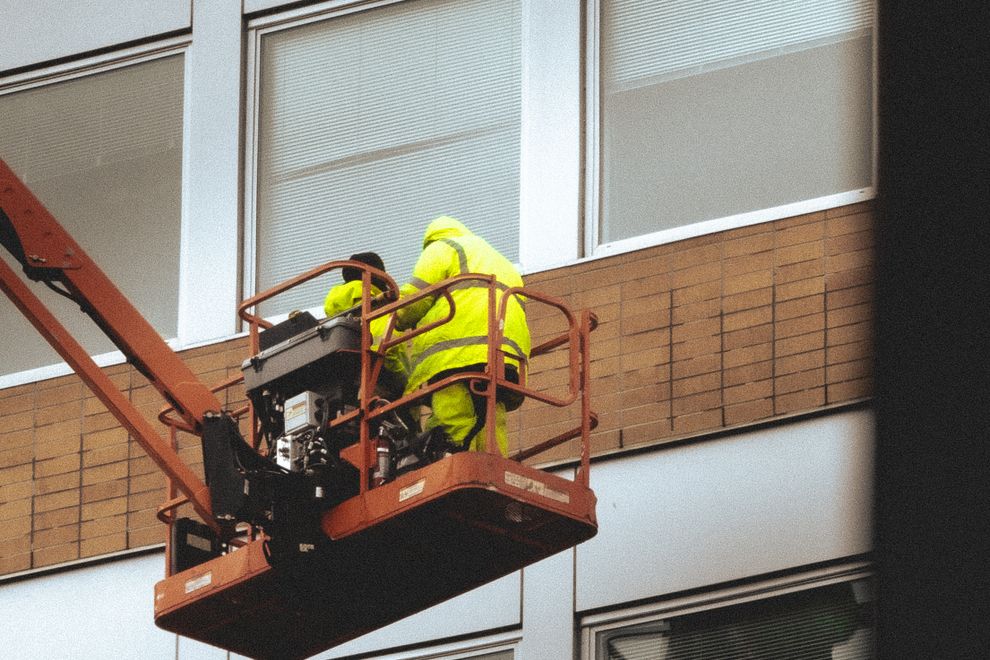
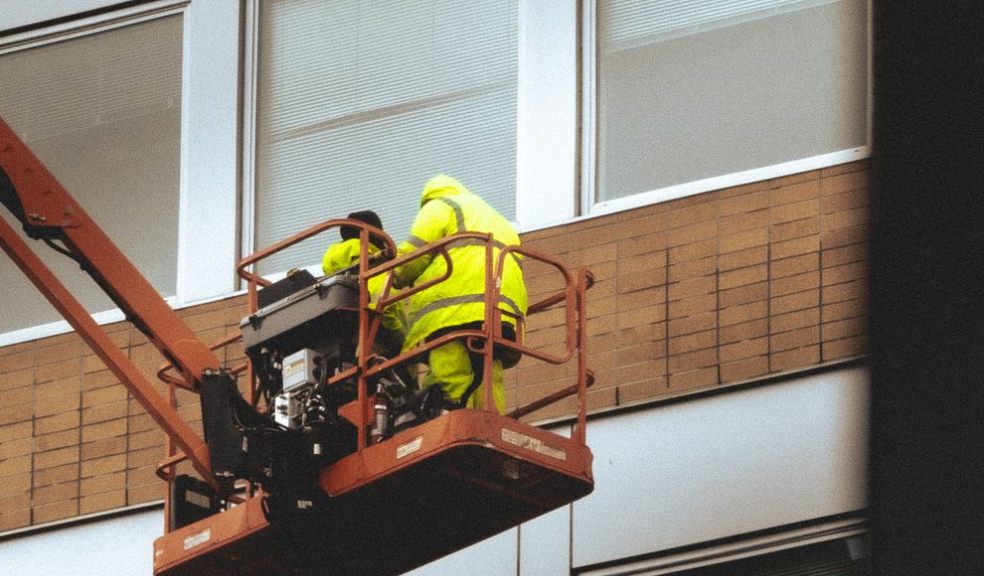
Powered access equipment, such as scissor lifts and boom lifts, enables safe access to greater heights while offering a spacious working platform. These machines are particularly useful on commercial sites where workers need to reach difficult locations quickly and efficiently.
Safety Platforms
For many industrial and commercial applications, dedicated safety platforms provide an excellent balance of stability, accessibility, and ease of use. Solutions available from simplifiedsafety.co.uk are designed to create secure working areas that help improve access while supporting safer working practices.
Consider the Working Environment
The surrounding environment often has as much influence on equipment selection as the task itself. Indoor projects may require compact equipment capable of fitting through doorways or operating in restricted spaces, while outdoor projects may demand larger equipment that can cope with uneven ground or changing weather conditions.
Surface conditions are equally important. Soft ground, slopes, or unstable surfaces may require alternative access methods or additional stabilisation to ensure equipment performs as intended.
Think About Worker Comfort and Productivity
Access equipment should not simply allow someone to reach a work area—it should also enable them to work comfortably. Stable platforms provide more room for movement, reduce fatigue during longer tasks, and allow tools and materials to be kept within easy reach.
Improved comfort often leads to greater efficiency, helping projects progress more smoothly while reducing unnecessary interruptions caused by repositioning equipment or taking additional breaks.
Maintenance and Inspection
Even the best access equipment requires regular inspection and maintenance. Before every use, equipment should be checked for visible damage, worn components, loose fittings, or signs of excessive wear. Scheduled maintenance also helps ensure equipment continues to perform reliably throughout its service life.
Using properly maintained equipment not only supports safer operations but also reduces downtime caused by unexpected faults or repairs.
Making the Best Choice
Selecting access equipment should always be based on the specific demands of each project rather than convenience alone. By carefully assessing the task, considering site conditions, and choosing equipment that provides the right combination of stability, reach, and functionality, businesses can complete work more efficiently while creating a safer working environment for everyone involved
Gallery