








Manual Rebar Tying vs Rebar Tying Machines: What Contractors Should Know
Reinforced concrete relies on correctly positioned reinforcement bars to achieve the strength and durability expected from the finished structure. Before concrete is poured, the rebar must be securely tied so it remains in place throughout placement and vibration, while rebar cutting tools are used to cut reinforcing bars to the required lengths before assembly. Poorly secured or incorrectly prepared reinforcement can affect construction quality, making the right equipment an important part of delivering consistent results on both small and large projects.
Contractors generally have two options for completing this task: traditional manual rebar tying or using modern rebar tying machines. Manual tying remains a practical choice for smaller jobs, repairs and occasional reinforcement work, while powered rebar tying machines are designed to increase productivity on larger and more repetitive projects. Choosing the right method depends on several factors, including project size, required productivity, labour availability and overall budget. Throughout this guide, we also highlight the key factors to consider when selecting professional rebar equipment. As a trusted supplier of fastening and reinforcement tools, ProNailers offers a wide range of rebar tying tools, rebar cutting tools and accessories for construction applications.
What Is Manual Rebar Tying?
Manual rebar tying has been used in reinforced concrete construction for decades and remains a common method on many building sites. Although powered rebar tying machines are becoming increasingly popular, manual tying is still suitable for certain applications where flexibility and low equipment costs are more important than maximum productivity.
How Manual Rebar Tying Works
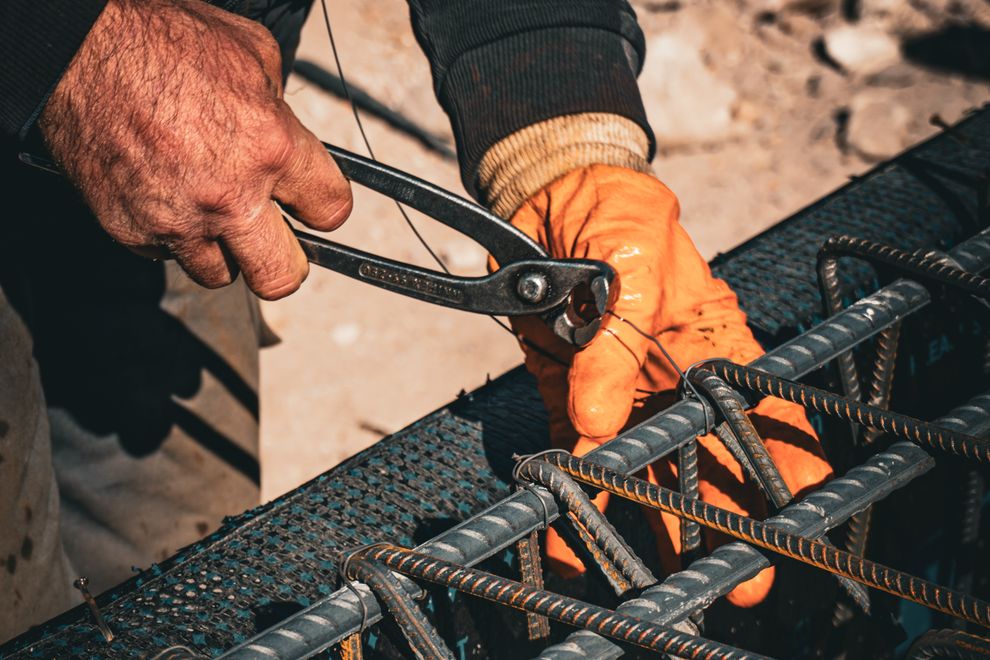
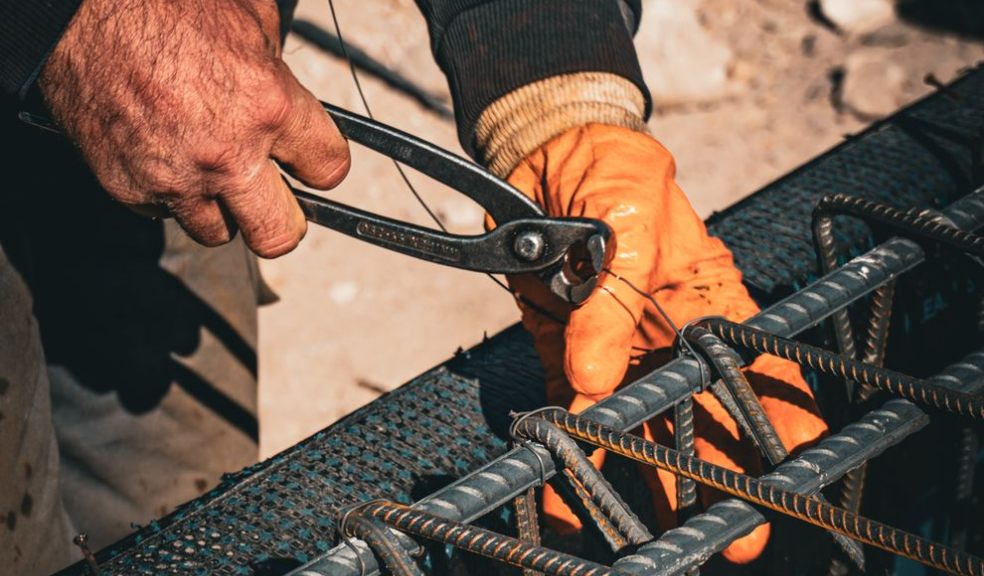
Manual rebar tying involves securing intersecting reinforcing bars using tie wire and simple hand tools. After positioning the reinforcement, the worker wraps a length of wire around the intersection before twisting it tightly using pliers, nippers or a rebar tying hook. The finished tie holds the bars in place until the concrete has been poured and cured.
The process itself is straightforward, but producing secure and consistent ties requires experience. The worker must apply enough tension to keep the reinforcement stable without damaging the wire. On projects involving thousands of reinforcement intersections, this repetitive process can become physically demanding and time-consuming.
Unlike powered equipment, manual tools require no batteries or external power sources. They are lightweight, easy to transport and can be used almost anywhere on site, making them a practical option for occasional reinforcement work.
Advantages of Manual Rebar Tying
The biggest advantage of manual rebar tying is its simplicity. Hand tools are inexpensive to purchase, require very little maintenance and can remain in service for many years with proper care. For contractors who only carry out reinforcement work occasionally, investing in manual tools may be the most economical option.
Manual tying also offers excellent flexibility. Workers can easily access confined areas, awkward reinforcement layouts and locations where larger powered tools may be difficult to position. This makes manual tying useful for repairs, alterations and small-scale construction projects.
Key advantages include:
-
Low purchase cost.
-
Minimal maintenance requirements.
-
No batteries, chargers or power supply needed.
-
Lightweight and easy to carry around site.
-
Effective in confined or awkward working areas.
-
Suitable for low-volume reinforcement work.
Limitations of Manual Rebar Tying
Although manual tying remains useful, it becomes less efficient as project size increases. Every tie requires repeated wrist and hand movements, which can lead to fatigue during long working shifts. As operators become tired, tying speed often decreases and maintaining consistent tie quality becomes more difficult.
Productivity is another important consideration. Large commercial developments may require tens of thousands of rebar ties, making manual work both labour-intensive and time-consuming. On projects with tight schedules, slower installation can increase labour costs and extend construction programmes.
Consistency can also vary between workers. Experienced steel fixers usually produce reliable results, but tie tightness and appearance may differ depending on individual technique. Powered rebar tying machines are designed to minimise these variations by producing more uniform ties throughout the working day.
When Manual Tying Still Makes Sense
Despite the advantages of powered equipment, manual rebar tying continues to be the right choice in several situations. For projects involving relatively few reinforcement intersections, purchasing specialised equipment may not provide a worthwhile return on investment.
Manual tying is particularly well suited to:
-
Small residential construction projects.
-
House extensions and garden structures.
-
Repair and maintenance work.
-
Reinforcement adjustments before concrete placement.
-
Areas with restricted access.
-
Low-volume or one-off reinforcement installations.
For contractors working regularly on commercial buildings, infrastructure projects or other large reinforced concrete structures, manual tying often becomes less practical. In these environments, higher productivity, reduced physical strain and more consistent results are some of the main reasons why many professionals choose rebar tying machines instead.
What Is a Rebar Tying Machine?
A rebar tying machine is a specialised power tool designed to automate one of the most repetitive tasks in reinforced concrete construction. Instead of twisting tie wire by hand, the machine wraps, tightens and cuts the wire in a single operation, allowing reinforcement to be secured much more quickly and consistently. Modern cordless models are widely used on commercial construction sites where speed, repeatability and reduced physical effort are essential.
How Rebar Tying Machines Work
A rebar tying machine is positioned over the point where two reinforcing bars intersect. Once the trigger is pressed, the tool automatically feeds the tie wire around the bars, twists it to the required tension and cuts the wire to complete the tie. The entire process typically takes around one second, depending on the model and the reinforcement configuration.
Most modern rebar tying machines are battery powered, allowing workers to move freely around the site without air hoses or power cables. Different models are designed to accommodate specific ranges of reinforcing bar diameters, making it important to select equipment that matches the reinforcement used on the project.
Main Benefits of Automatic Rebar Tying
The biggest advantage of automatic rebar tying is productivity. By reducing the time needed for every tie, contractors can complete reinforcement work more quickly while maintaining a consistent standard across the entire project. This becomes particularly valuable when thousands of reinforcement intersections need to be secured before concrete placement.
Additional benefits include:
-
Faster tying compared with manual methods.
-
Consistent tie quality throughout the working day.
-
Reduced hand, wrist and shoulder fatigue.
-
Improved productivity on repetitive reinforcement work.
-
Better efficiency for large construction projects.
-
Reduced physical strain for site operatives.
Although the initial investment is higher than purchasing manual tools, many contractors find that increased productivity and lower labour costs provide long-term value on projects involving regular reinforcement work.
Common Applications for Rebar Tying Machines
Automatic rebar tying machines are primarily used on projects where reinforcement work is repetitive and time-sensitive. Their ability to produce fast, consistent ties makes them suitable for both building construction and civil engineering applications.
Typical applications include:
-
Reinforced concrete foundations.
-
Floor slabs and suspended slabs.
-
Commercial buildings.
-
High-rise construction.
-
Bridges and transport infrastructure.
-
Precast concrete manufacturing.
-
Reinforcement cages and retaining structures.
These applications often involve large quantities of reinforcing steel, where even small improvements in tying speed can have a significant impact on overall project efficiency.
Choosing the Right Rebar Tying Machine
Not every rebar tying machine is designed for the same type of work. Before selecting a tool, contractors should consider the diameter range of the reinforcing bars, expected tying volume, battery performance, ergonomics and the availability of compatible tying wire. Choosing equipment that matches the demands of the project helps maximise productivity while reducing unnecessary downtime.
It is also worth considering long-term support, including replacement batteries, consumables and servicing. Contractors who regularly undertake reinforced concrete work may benefit from comparing different models before making a purchase. A wide selection of rebar tying machines, rebar cutters and related accessories can be found in the ProNailers rebar tools range, making it easier to choose equipment suited to different bar sizes and construction applications.
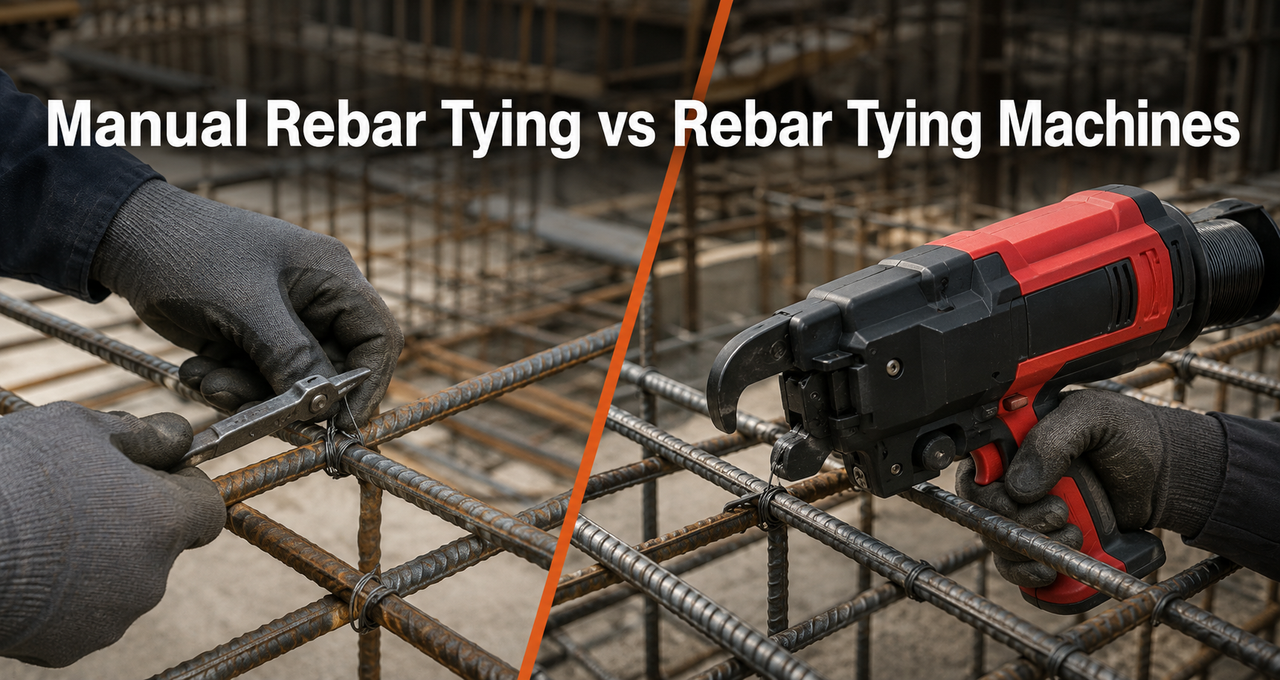
Manual Rebar Tying vs Rebar Tying Machines
Both manual rebar tying and rebar tying machines can secure reinforcement effectively, but they differ in productivity, labour requirements and long-term efficiency. Manual tying is well suited to smaller jobs and occasional reinforcement work, while automatic tying machines are designed for larger projects where speed and consistency are priorities.
One of the biggest differences is productivity. Manual tying requires repeated hand movements, which can slow progress and increase worker fatigue during long shifts. Rebar tying machines complete each tie much faster and help operators maintain a consistent working pace throughout the day.
Tie quality is another important consideration. With manual tying, the finished result depends on the operator's experience and technique. Automatic machines produce more uniform ties, helping maintain consistency across large reinforcement layouts. Although powered tools require a higher initial investment, they can provide better long-term value by reducing labour time and increasing output on projects with high tying volumes.
|
Feature |
Manual Rebar Tying |
Rebar Tying Machines |
|
Speed |
Slower |
Faster |
|
Productivity |
Suitable for low-volume work |
Ideal for high-volume work |
|
Worker fatigue |
Higher |
Lower |
|
Tie consistency |
Depends on operator |
Consistent results |
|
Initial cost |
Lower |
Higher |
|
Long-term value |
Better for occasional use |
Better for frequent professional use |
|
Typical applications |
Repairs, small projects |
Commercial and infrastructure projects |
For contractors who regularly work on reinforced concrete structures, improved productivity and reduced physical strain often outweigh the higher purchase cost of a rebar tying machine. Manual tying still has an important role, but it is generally best suited to smaller projects and detail work rather than large-scale reinforcement installations.
Rebar Tying Machines for Professional Construction
Rebar tying machines are designed for projects where large numbers of reinforcement bars must be secured quickly and consistently. They help improve productivity, reduce physical strain on workers and support more efficient construction programmes. As a result, these tools are widely used across both commercial building and civil engineering sectors.
Typical applications include:
-
Commercial buildings, including offices, warehouses and retail developments.
-
Infrastructure projects such as bridges, tunnels, roads and railway structures.
-
Precast concrete production, where fast and repeatable reinforcement assembly is essential.
-
Large foundations, raft foundations and reinforced concrete slabs.
-
Reinforcement cages for columns, beams and retaining walls.
-
Multi-storey residential and industrial construction.
These projects often involve thousands of reinforcement intersections, making manual tying both time-consuming and physically demanding. By automating the tying process, contractors can complete reinforcement work more efficiently while maintaining consistent tie quality throughout the project.
Although manual tying still has its place for smaller jobs and detail work, rebar tying machines have become the preferred solution for professional construction where productivity, repeatability and reduced labour demands are key priorities.
What to Consider Before Buying a Rebar Tying Machine
Choosing the right rebar tying machine involves more than comparing prices. The most suitable tool should match the type of reinforcement work being carried out while providing reliable performance throughout the project. Before making a purchase, contractors should evaluate several key factors.
The supported rebar diameter range is one of the first specifications to check. Every rebar tying machine is designed to work within a specific range of reinforcing bar combinations. Selecting a model that matches the reinforcement sizes used on site helps ensure reliable operation and consistent tie quality.
Tool weight and ergonomics are also important, particularly for operators who spend long periods tying reinforcement. A well-balanced, comfortable machine can reduce fatigue and improve handling, especially on large projects where thousands of ties are completed each day.
Battery performance should not be overlooked. Cordless rebar tying machines offer excellent mobility, but battery capacity affects how long the tool can operate before recharging. Contractors working on large sites often benefit from spare batteries to minimise interruptions and keep work progressing efficiently.
It is equally important to use compatible tying wire. Manufacturers specify the wire type and spool size that should be used with each machine. Using unsuitable consumables may reduce tying quality, increase wear or lead to feeding problems.
Finally, consider maintenance requirements and long-term running costs. Regular cleaning, proper storage and replacing worn consumable parts help maintain reliable performance and extend the working life of the equipment. Looking beyond the initial purchase price often provides a better understanding of the true cost of ownership over many years of professional use.
Can Rebar Tying Machines Replace Manual Tying Completely?
Rebar tying machines have transformed reinforcement work, but they have not completely replaced manual tying. While automatic tools are the preferred choice for high-volume applications, there are still situations where hand tying remains the more practical solution.
Manual tying is often necessary for:
-
Small repair and maintenance jobs.
-
Tight or restricted access areas.
-
Reinforcement details that are difficult to reach with a machine.
-
Low-volume projects where purchasing a machine is not cost-effective.
-
Occasional tying work carried out by general contractors.
For these tasks, simple hand tools continue to provide the flexibility needed without the higher investment associated with powered equipment.
In practice, many contractors achieve the best results by using both methods. Rebar tying machines are used for large reinforcement grids, foundations and slab work where speed and consistency are important, while manual tying is reserved for corners, confined spaces and final adjustments that require greater precision.
This combination allows site teams to maximise productivity without sacrificing flexibility. Rather than replacing manual tying entirely, rebar tying machines have become an efficient addition to modern construction workflows, helping contractors complete reinforcement work faster while still relying on manual methods where they remain the most practical choice.
Common Mistakes When Choosing Rebar Tying Equipment
Selecting the right rebar tying equipment is not only about purchasing a reliable tool. Choosing the wrong specification can reduce productivity, increase operating costs and create unnecessary delays on site. Before investing in a rebar tying machine, contractors should avoid several common mistakes.
Some of the most frequent mistakes include:
-
Buying based on price alone. A lower purchase price may seem attractive, but it does not always deliver the best long-term value. Productivity, durability and running costs should also be considered.
-
Ignoring rebar diameter compatibility. Every rebar tying machine is designed for a specific range of reinforcing bar sizes. Using a tool outside its intended capacity can affect performance and reliability.
-
Choosing the wrong tying wire. Machines are designed to work with compatible wire types and spool sizes. Using unsuitable consumables may lead to feeding issues, poor tie quality and increased wear.
-
Underestimating productivity requirements. A machine that is suitable for occasional reinforcement work may not be the best choice for large commercial projects. Contractors should select equipment based on expected tying volumes rather than current project size alone.
Taking the time to match the equipment to the application helps improve efficiency, reduce downtime and maximise the return on investment. Careful planning before purchase is often far more cost-effective than replacing unsuitable equipment later.
Conclusion
Both manual rebar tying and rebar tying machines have an important role in reinforced concrete construction. Manual tying remains a practical solution for repairs, small projects and situations where access is limited. It offers flexibility and low equipment costs, making it suitable for contractors who only carry out reinforcement work occasionally.
For regular construction work, however, rebar tying machines provide clear advantages. Faster tying speeds, reduced operator fatigue and more consistent tie quality can significantly improve productivity on commercial, infrastructure and other large-scale projects. Choosing the right machine means considering factors such as the supported rebar diameter range, ergonomics, battery performance and wire compatibility to ensure it matches the intended application.
At ProNailers, contractors can find a wide range of rebar tying tools, rebar cutters and accessories from leading manufacturers, suitable for a variety of reinforcement applications. Selecting equipment that matches the reinforcement sizes and project requirements helps maximise efficiency, improve reliability and deliver consistent results across every stage of construction.