








What Happens When Outdoor Spaces Are Designed Around Nature Instead of Ornament
For a long time, garden design was often treated as a matter of appearance first. Straight borders, decorative features, clipped lawns and statement pieces were used to create outdoor spaces that looked polished and controlled. While there is nothing wrong with visual appeal, more homeowners, designers and landscape professionals are beginning to ask a different question: what if outdoor spaces worked with nature rather than simply decorating around it?
Designing around nature instead of ornament changes the entire purpose of a garden. It becomes less about filling a space with features and more about creating a living environment that supports people, plants, wildlife, and long-term resilience.
The Space Feels More Alive
When nature leads the design, an outdoor space becomes more dynamic. Instead of relying on fixed decorative elements, the garden changes with the seasons. Flowers appear and fade, grasses move in the wind, birds visit, insects pollinate, and water reflects the weather.
This creates a richer, more engaging space. A garden designed around nature does not need constant styling because its interest comes from life itself. Texture, sound, scent and movement all become part of the experience.
Maintenance Becomes More Thoughtful
Nature-led design does not mean leaving everything unmanaged. Instead, it means maintaining a garden in a way that supports balance. Native planting, healthy soil, natural drainage and wildlife-friendly features all need care, but they are often more sustainable than high-maintenance ornamental schemes.
For example, a pond that is designed as a small ecosystem can do far more than provide decoration. With the right plants, oxygen levels, filtration and regular care, it can support wildlife while also creating a calm focal point. Working with specialists such as Aqua Maintenance can help ensure water features remain healthy, attractive and ecologically balanced.
Wildlife Gains A Proper Habitat
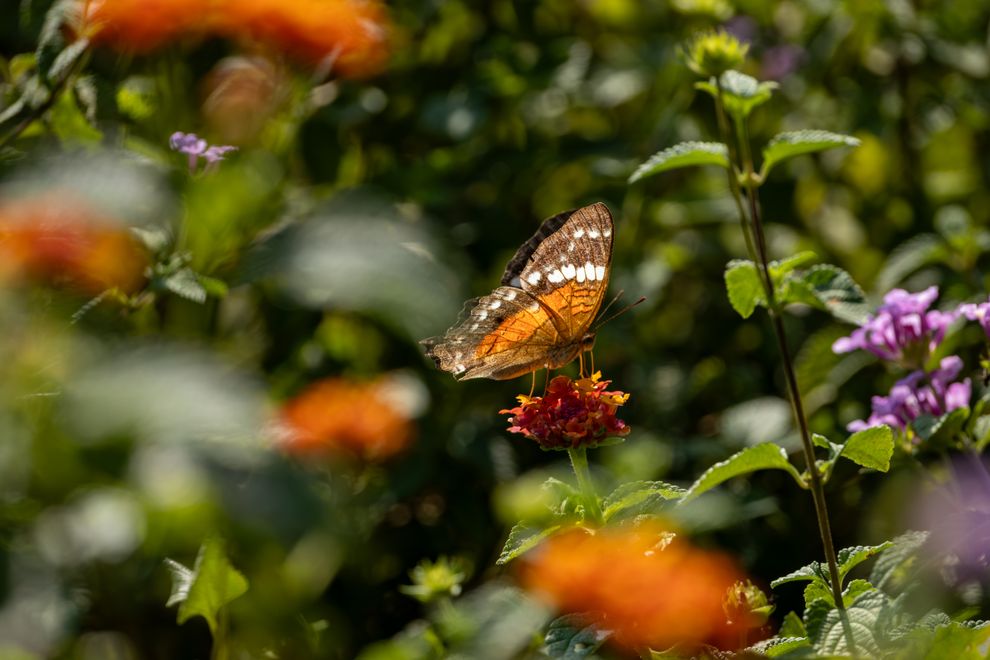
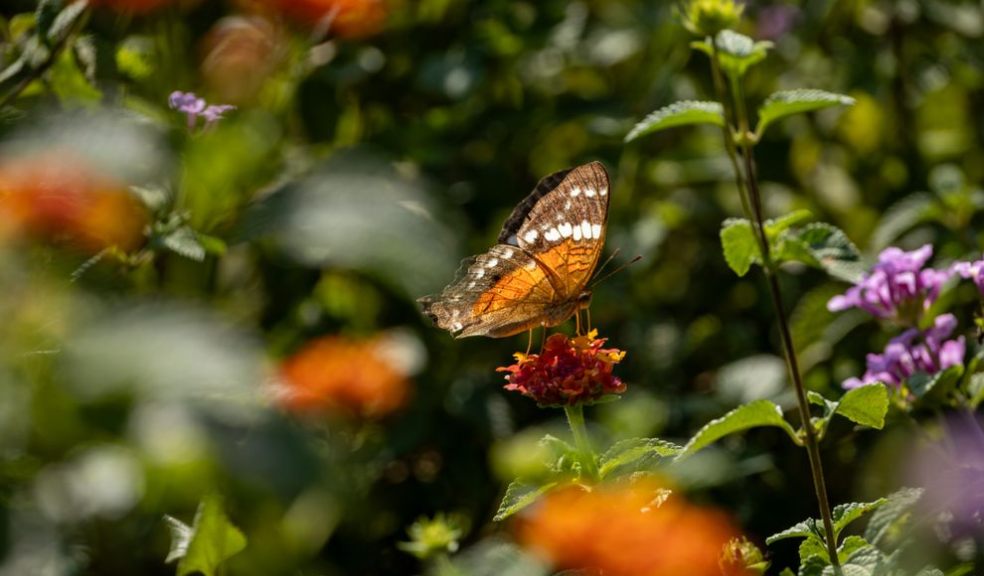
Ornamental gardens can sometimes look beautiful but offer very little to wildlife. Nature-led spaces, on the other hand, provide food, shelter and breeding opportunities. Flowering plants support bees and butterflies, trees and shrubs offer nesting places, and ponds attract birds, insects and amphibians.
Even small choices can make a difference. Leaving seed heads through winter, planting hedges instead of solid fencing, or choosing nectar-rich plants can turn a garden into a useful habitat. The result is a space that contributes to the wider local environment rather than standing apart from it.
The Design Becomes More Resilient
Outdoor spaces designed around nature are often better able to cope with changing weather. Deep-rooted plants can handle dry spells more effectively, diverse planting reduces the risk of widespread disease, and permeable surfaces help rainwater drain naturally.
This matters because gardens are increasingly expected to do more than look good. They need to manage heat, support biodiversity, and reduce water pressure during heavy rainfall. A natural approach can make these spaces both beautiful and practical.
People Benefit Too
There is also a human benefit to nature-led design. Outdoor spaces that feel alive can be calming, restorative and easier to enjoy. Instead of being treated as another area to constantly tidy or update, the garden becomes a place to pause, observe and reconnect.
Designing around nature does not mean sacrificing style. It simply means allowing beauty to come from healthy systems, seasonal change and thoughtful choices. When outdoor spaces are built in partnership with nature, they become more than ornamental. They become places that grow, adapt, and thrive.