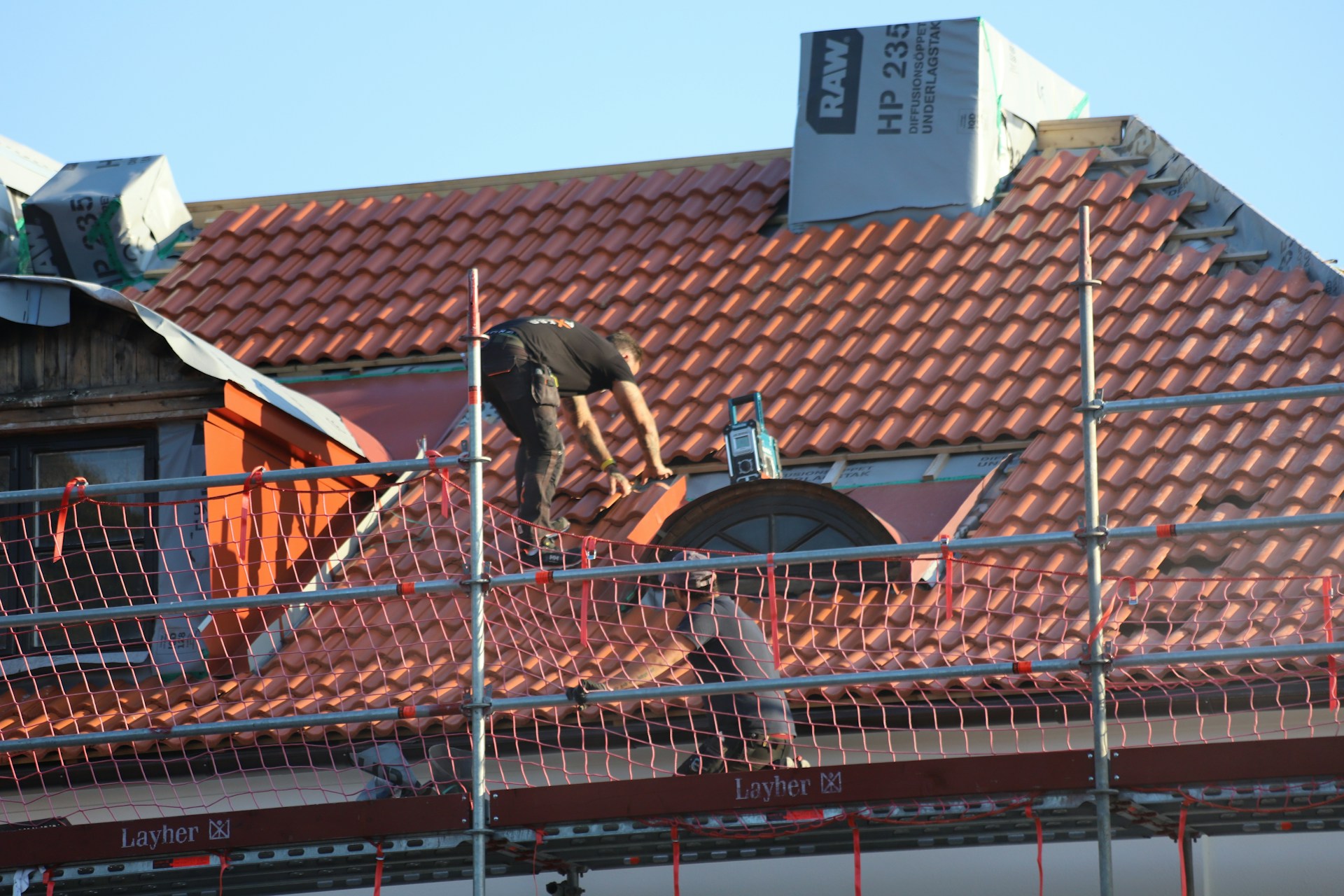









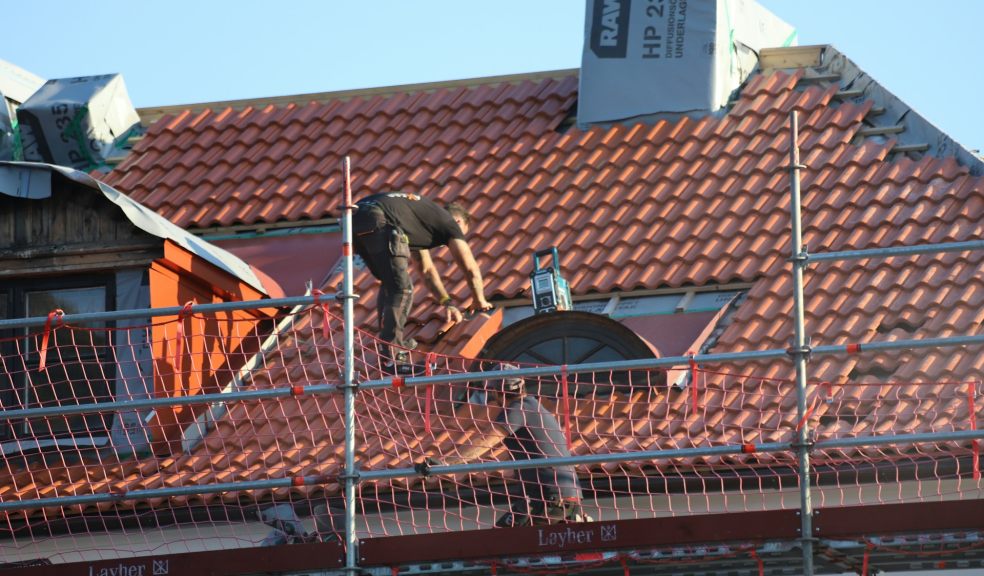
Roofing Work in South Shields: Why Cutting Corners on the Contractor Costs You More Than the Job Itself
Roof problems have a way of announcing themselves at the worst possible moments: during heavy rain, in the middle of winter, or immediately before a property sale when a surveyor picks up something that's been quietly developing for months. By the time most homeowners are looking for a roofer, there's already an element of urgency involved, and urgency tends to make people less careful about who they actually hire.
That's when the importance of working with properly qualified roofers in South Shields becomes most apparent, because the difference between a repair done properly and one done quickly but badly is often measured in how many times you end up paying for the same problem.
What South Shields Properties Actually Face
The coastal position of South Shields means roofing materials deal with conditions that inland properties don't experience to the same degree. Salt-laden air accelerates the degradation of certain materials, persistent wind from the North Sea puts pressure on flashing, ridge tiles, and lead work, and the volume of rainfall the north-east receives means that even small vulnerabilities in a roof covering get found quickly by water working its way in.
Roofers who work regularly in this area understand these factors in a way that a contractor brought in from further afield simply might not. Knowing which materials hold up well in coastal conditions, how to secure ridge work against persistent wind, and where water tends to track on the common roof profiles found across the area comes from experience on local jobs, not from a general qualification.
The Most Common Roofing Issues in the Area
A few problems come up repeatedly on South Shields properties:
- Slipped or cracked roof slates, particularly on older terraced properties where the original fixings have corroded over decades
- Failing lead flashing around chimneys and roof junctions, which is often the actual source of a leak that appears to be coming from somewhere else entirely
- Ridge tiles that have lost their mortar bed and become loose enough to shift in high winds
- Flat roof sections on extensions or bay windows where the covering has reached the end of its serviceable life
- Guttering and fascia issues that allow water to track back under the roof edge rather than draining away cleanly
Checking Credentials Before Committing
It's worth taking a few minutes to verify a contractor before agreeing to any work. A reputable roofing contractor should be able to provide evidence of public liability insurance, reference previous jobs in the local area, and offer a written quote that breaks down materials and labour rather than a single vague figure. Being wary of anyone who knocks on the door unsolicited and claims to have spotted a problem while working nearby is sensible, as this is a common approach used by those whose work rarely justifies a second visit.
Getting the Quote Right
A properly itemised quote makes comparison between contractors far more straightforward and gives you something to refer back to if questions arise during the job. It should specify the materials being used, not just the type but the brand and specification where relevant, along with how waste will be disposed of and what access equipment will be needed. A contractor who resists providing this level of detail before starting work is telling you something worth knowing before you agree to anything.