








Why Vintage Football Shirts Are Making a Stylish Comeback
Vintage football shirts have regained popularity because they are smack bang in the middle of every 90s revival, both in streetwear and the wider culture, nostalgia and sustainability, with big logos and true football history rarely found on current minimalist kits, and offering wearers something with a history rather than the same generic t shirt of the high street, what in the past, was the attire of the terraces. Now, a wardrobe essential for those who are often unconnected to the club on the badge. The artifice is fueled not only by football but also by the power of fashion culture.
We see the same retro shirts worn not only by footballers but also featured in fashion magazines and the Twitter feeds of style journalists, where the focus is on the image, not the game. That crossover has delivered football kits into everyday wardrobes and has changed the way a whole generation considers what they want in an item of clothing.
What Is Driving the Vintage Shirt Revival
The power of nostalgia. Those who are in their late 20s-40s today grew up watching football of the 90s and early 2000s, and wearing a shirt from those days is a link to that period. By the time they were in a position to be able to reliably buy kits from earlier periods, the demand for old shirts of that era soared, and the number available cannot possibly keep pace. Fashion did the rest.
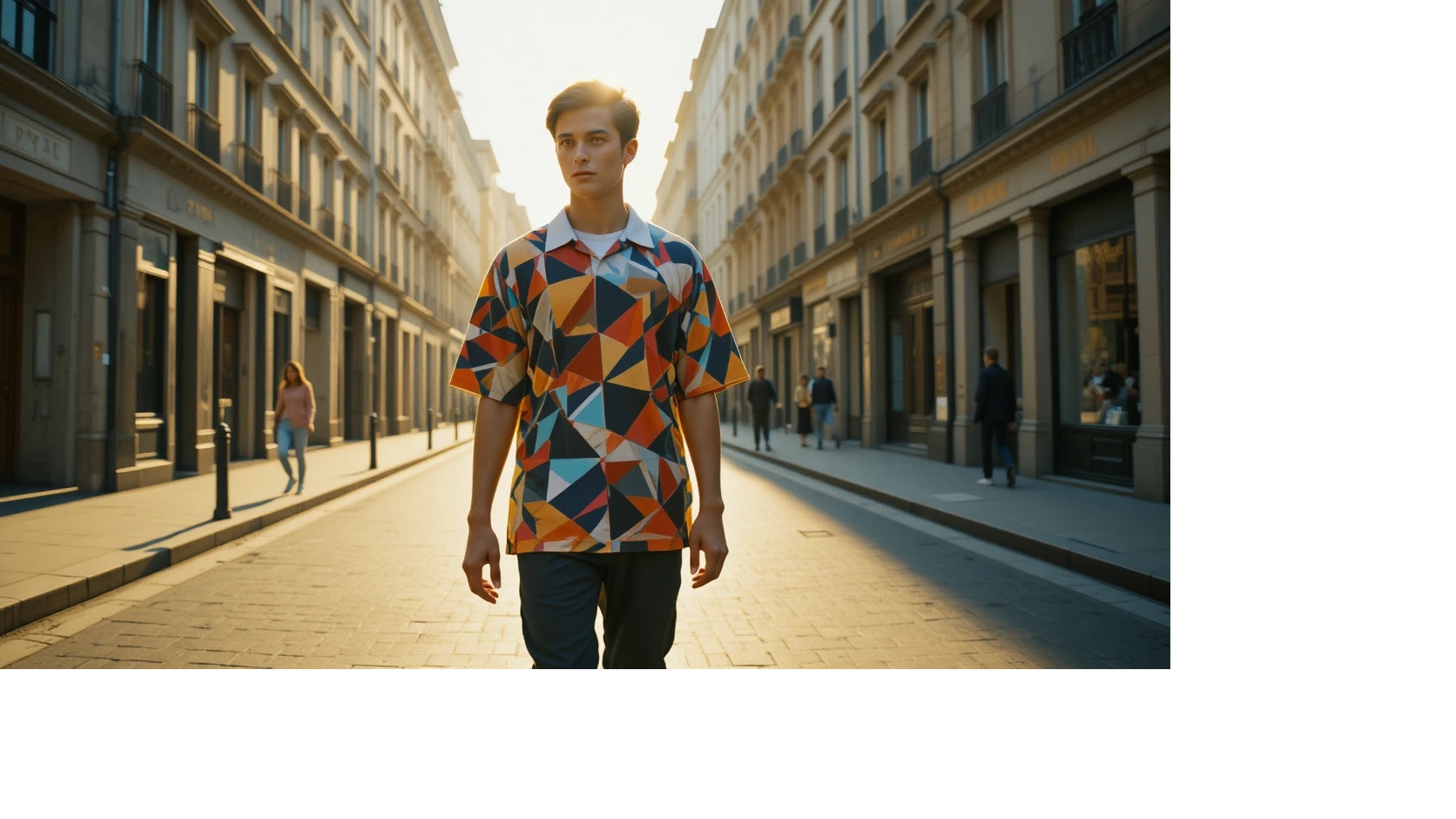
The wider 90s and Y2K resurrection made oversized fits, clash of style and busy geometric prints in fashion desirable again, and a few clothing brands remembered those louder vintage football shirts. Designs that seemed hideous a score of times ago, the concept with abstract patterns on the front, now read as boldly stylish and full of personality.
They photograph incredibly well, they 'pop', they imply a definite sense of select taste. And there is also a sustainability story that is meaningful to a young customer; purchasing a secondhand shirt that is in the world already rather than one that has just been produced can appeal to the shift away from fastfashion towards re-used clothes, based on industry figures, the re-sale clothing market has been expanding many times faster than bricks and mortar, and vintage sportwear has been among the most resilient.
What Makes Vintage Kits Look So Good
Design-wise, vintage shirts are just more flamboyant. Late nineties kits featured large all-over designs, strips of bold colours and sponsor logos that finished up part of the design instead of a hiding device. Contrast this with the tight, usually conservative shapes of contemporary kits, and to see why the older shirts tend to impress. A 91 Gunners away shirt or a Hummel Danish set from early in the decade is more vibrant than any shirt you see here. The fit contributes as well.
How they were cut fashionably loose and wide perfectly matches the gap-tooth-mouthed overblown look that is front and centre in street wear now. A true vintage shirt hangs in these ways, whereas a present-day match kit (clothing intended for use in sport) is cut snug against the frame to be aerodynamically efficient.
But Fabric is part of the experience for more mundane reasons, too. There are many older shirts which are made of heavier cotton-polyester blends, which have a nice feel as they wear in and improve over time; a lesson technical newer fabrics have yet to learn.
How to Wear Vintage Shirts Without Looking Like a Fan
And the trick most of the most stylish wearers use is contrast. A loud, patterned shirt matched with plain, inoffensive items allows the shirt to make a statement without dressing you in a match-day uniform. A vintage shirt with simple straight-leg jeans and a pair of basic trainers, or unbuttoned over a plain t-shirt, turns the shirt from a uniform into a statement. The other benefit of opting for the design rather than the allegiance.
Many people buy shirts today simply because the colours and graphics suit them and don't even consider which country or club they support. A kit from a Japanese J-League from the 90s, an Italian Serie A shirt from the league's heyday or an entire obscure lower division design all look equally stunning because they are not obvious cheap picks. That element of surprise is part of the draw.
When you want range and the reassurance of buying genuine pieces, browsing football kits online through a specialist retailer makes it far easier to find the right era, club, and condition than trawling general marketplaces where authenticity is a gamble. Prices vary widely depending on what you are after. A common club shirt in good condition often sits in the 40 to 100 range, while iconic designs or rarer kits can run several hundred, and pristine deadstock examples climb higher still.
Who Is Buying Vintage Shirts Now
Market segmentation has crystallised into a few obvious categories, and knowing who fits into each is how you can interpret the sector. The old timers want rarity, condition and provenance, usually commanding a premium for single-season shirts, or anything not to have been in too many hands during a particular match. Today, many more style-conscious consumers are not fussed by where a particular shirt has been previously, and are quite happily seen wearing a re-issue in the same way.
Then there are the casual nostalgia buffs who just want the shirt of their favourite team or player, and the condition is secondary. No, geography makes a difference. English purchasers often look exclusively for Premier League and flagging First Division shirts, whereas Italian and German collectors focus on their home leagues, and even a handful of South American and Japanese shirts have gained cult status elsewhere.
Where a sale seems bland in the seller's eyes, it may be a holy grail for a football fanatic a continent away, and that is why so much exchange takes place internationally. Budget levels also play a role. A seller who is simply looking to build up a casual wardrobe may only spend the occasional 100 and then resell/rotate some of the t-shirts/jeans, etc. as daily wear. The more serious buyer will have some items which are both worn and quietly appreciated, with their finest examples kept out of circulation.