








Lessons From a Recently Completed Workplace Upgrade
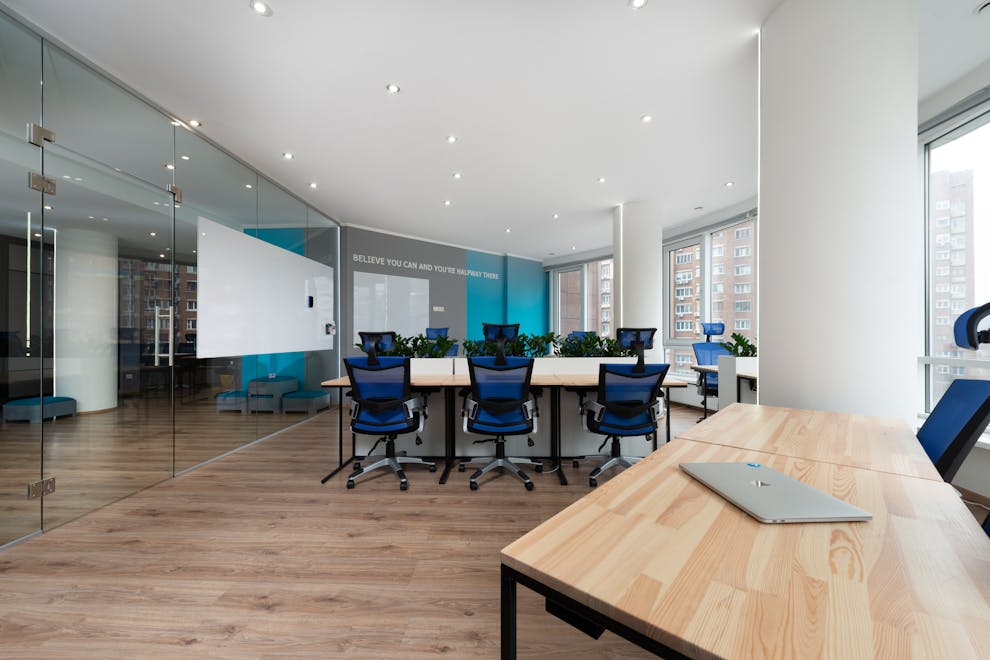
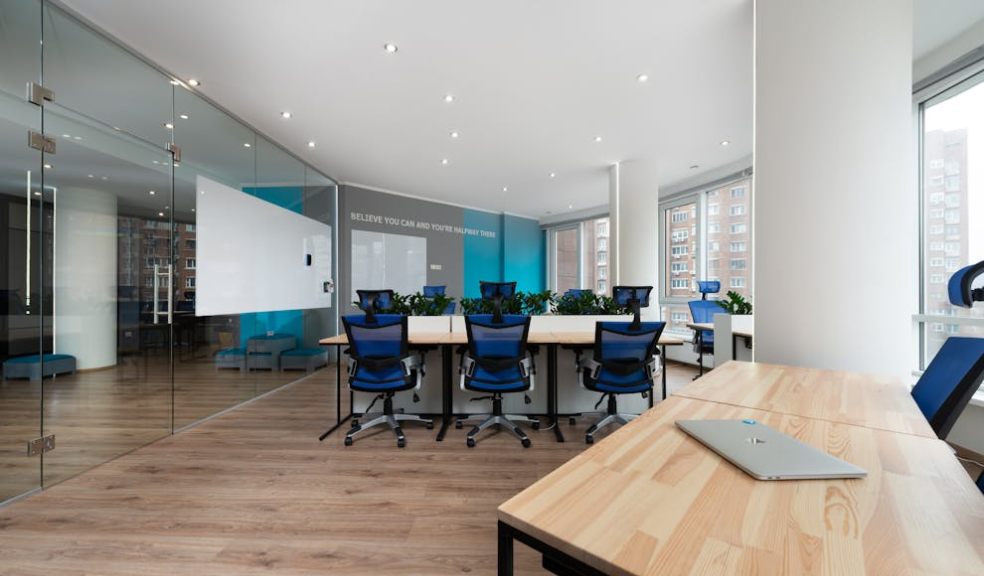
Upgrading a workplace isn’t just about fresh paint and new carpets. A successful office transformation blends practical planning, strategic communication, and thoughtful design. Our team recently completed a major workplace upgrade, and the lessons we gathered along the way will help any business considering a similar project.
Planning With Purpose
The first big takeaway from this upgrade was the importance of purposeful planning. Before any work began, we spent considerable time defining why the upgrade was happening. Was it to improve workflow? Boost employee morale? Attract new clients? By answering these questions early, we could build a roadmap that served measurable goals rather than subjective preferences.
Scope creep can sink any project. That’s why we created a detailed plan that included:
- Clear objectives for each space
- A list of must-have vs. nice-to-have features
- A timeline with milestones
Treat planning as more than a formality — it’s the backbone of execution.
Engaging the Right Experts
Even with great internal ideas, workplace upgrades often require external expertise. Partnering with experienced professionals made a world of difference in our project. Whether it was architectural insight, ergonomic recommendations, or specialist installations, bringing in pros helped us avoid costly mistakes and refine our design vision.
For example, working with a trusted office fit-out team like Amos Beech provided valuable perspectives on space flow and material selection — ensuring the end result was both attractive and functional.
Communication Is Constant
A common misconception is that communication only matters at the start of a project. In reality, it must stay constant. We established regular check-ins with our internal stakeholders and the contractors on site. This meant weekly updates, quick decisions when challenges arose, and transparency around budget adjustments.
Here’s what worked well:
- A shared communication channel for all parties
- Weekly progress photos and status reports
- Open forums for feedback
People feel valued and heard when they know what’s happening and why.
Employee Comfort and Productivity Matter
One of the most insightful lessons came from paying attention to how the space would actually feel to the people using it. It’s easy to focus on aesthetics — colours, finishes, branding — but ergonomics and comfort directly impact productivity.
We tested sample seating, evaluated lighting levels in different zones, and even gathered feedback on acoustics long before construction wrapped. These small actions ensured that the upgraded workplace didn’t just look great — it supported the wellbeing of our team.
Flexibility for Future Growth
No workplace upgrade should lock you into a static environment. Our design included flexible workstations, modular meeting areas, and technology infrastructure that can adapt to future needs. Offices must evolve with the business, and building in flexibility means less disruption down the road.
Reflection and Next Steps
After completion, we held a debrief session with the team. What worked? What didn’t? Would we make different choices next time? These reflections are invaluable because they turn experience into insight.
Upgrading a workplace isn’t a one-off task — it’s a learning journey. With careful planning, strategic partnerships, clear communication, employee-centred design, and flexibility for future growth, any business can create a better space that supports performance and purpose.