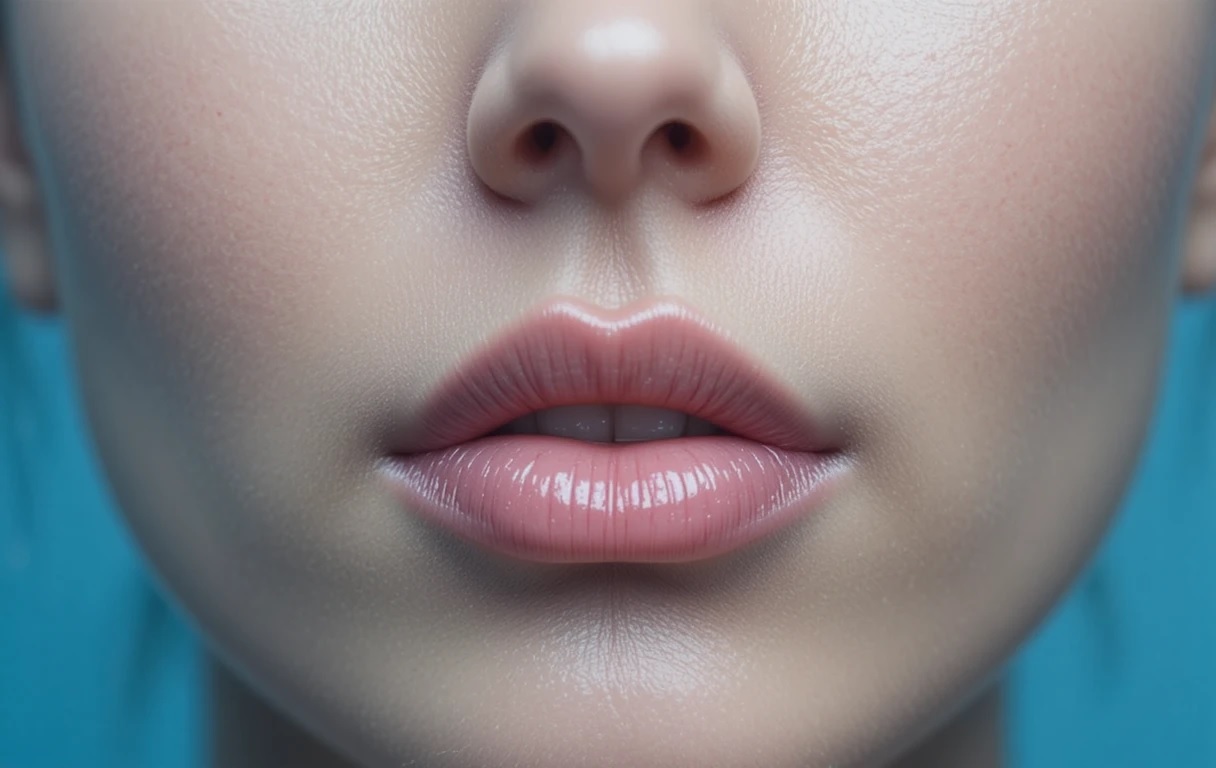









Frowning Lips: Understanding Downturned Mouth Corners and Treatment Options
The position of the mouth plays a major role in how facial expressions are perceived. When the corners of the lips naturally turn downward, the face may appear sad, tense, or fatigued even when a person feels neutral or content. This aesthetic concern is commonly referred to as frowning lips, and it affects individuals of all ages for various reasons. While often associated with aging, downturned mouth corners can also be influenced by muscle activity, genetics, and facial structure.
Many individuals seek information about frowning lips because they feel their facial expression does not reflect their true emotions. Understanding why this happens and what treatment options are available can help inform and guide realistic decisions.
What Are Frowning Lips
Frowning lips describe a resting mouth position where the corners of the lips angle downward rather than sitting level or slightly lifted. This presentation can give the appearance of dissatisfaction or sadness even in the absence of emotion.
The term Frowning Lips: Downturned Mouth Corners is often used to describe this specific aesthetic pattern. It reflects a combination of muscle dominance and structural changes in the lower face that alter the natural balance of facial expression.
Why Mouth Corners Turn Downward
Downturned mouth corners develop due to several contributing factors. One of the most significant influences is muscle activity. The depressor anguli oris muscles pull the corners of the mouth downward. Over time, repeated use of these muscles can create a resting downward position.
Aging also contributes through collagen loss, bone resorption, and soft tissue descent. As structural support diminishes, gravity has a greater effect on the lower face. The skin becomes thinner and less elastic, further exaggerating the downward angle of the mouth.
Genetics may also play a role. Some individuals naturally have a mouth shape or muscle configuration that predisposes them to frowning lips at a younger age.
The Emotional Impact of Frowning Lips
Facial expression is central to communication. When the mouth corners rest in a downward position, others may interpret the expression as unhappy, stern, or unapproachable.
Many people with frowning lips report that they are frequently asked if they are upset or tired, even when they feel fine. This mismatch between inner emotion and outward appearance can affect confidence and social interaction.
Facial Muscle Dynamics and Lip Position
The position of the lips is determined by a balance between muscles that lift and muscles that depress the mouth corners. When downward-pulling muscles dominate, the lips appear to frown at rest.
Addressing Frowning Lips: Downturned Mouth Corners requires an understanding of this muscle balance. Effective treatment focuses on reducing excessive downward pull while preserving natural movement and expression.
Non-Surgical Treatment Options
Non-surgical treatments are commonly used to improve frowning lips. These treatments focus on modifying muscle activity or restoring subtle structural support around the mouth.
Wrinkle-relaxing injections can reduce the activity of muscles that pull the corners of the mouth downward. By relaxing these muscles, the mouth is allowed to return to a more neutral position.
In some cases, small amounts of dermal filler are used to support the corners of the mouth or adjacent areas. This approach is carefully planned to avoid heaviness or distortion.
Importance of Subtle, Balanced Results
Treating frowning lips requires precision. Over-treatment can interfere with speech, smiling, or natural expression. Under-treatment may not adequately correct the downward angle.
A detailed assessment of facial movement at rest and during expression helps guide appropriate treatment. The goal is not to create a lifted or artificial look, but to restore balance and softness.
Who Is a Good Candidate for Treatment
Individuals who notice a persistent downward mouth position or feel their lips create an unintended frown may be good candidates for treatment.
Candidates often have strong downward muscle activity, early marionette lines, or visible tension in the lower face. A consultation helps determine whether frowning lips are primarily muscle-related, structural, or a combination of both.
Treatment Experience and Downtime
Non-surgical treatments for frowning lips are typically quick and involve minimal discomfort. Most individuals resume normal activities immediately after treatment.
Mild swelling, tenderness, or temporary asymmetry may occur but usually resolves within a short period. Results develop gradually as muscle activity adjusts.
Longevity and Maintenance
Results from non-surgical treatments are temporary and require maintenance. Muscle-relaxing injections generally last several months before repeat treatment is needed.
Many patients choose ongoing treatment schedules to maintain a neutral mouth position. With consistent care, results can remain subtle and natural over time.
Psychological Benefits of Treating Frowning Lips
Correcting frowning lips often leads to improved self-perception. When facial expression aligns more closely with how a person feels internally, confidence can increase.
This change is typically subtle, but it can influence how individuals engage in conversations, photos, and professional interactions.
Treating Frowning Lips as Part of a Holistic Approach
Frowning lips are often addressed as part of a broader facial assessment. Adjacent areas such as the chin, jawline, and lower cheeks may influence overall balance.
Considering the entire lower face ensures results look cohesive rather than isolated. This holistic approach is particularly important when addressing Frowning Lips: Downturned Mouth Corners.
Provider Expertise and Safety Considerations
The mouth area is highly dynamic and anatomically complex. Proper treatment requires advanced knowledge of facial anatomy and muscle interaction.
Choosing an experienced provider helps ensure safe application and natural results. Precision in dosing and placement is critical when treating frowning lips.
Managing Expectations
It is important to understand that non-surgical treatments soften the appearance of frowning lips rather than permanently changing anatomy.
Realistic expectations help ensure satisfaction. A well-planned treatment enhances expression without eliminating the ability to communicate emotion naturally.
Long-Term Facial Balance
As the face continues to age, muscle patterns and structural support evolve. Ongoing assessment allows treatment plans to adapt over time.
Addressing frowning lips early can help maintain balance and prevent the development of deeper lines and folds in the lower face.
Final Perspective on Frowning Lips
Frowning lips are a common and often misunderstood aesthetic concern. They are influenced by muscle activity, aging, and facial structure rather than mood or personality.
With careful assessment and precise non-surgical treatment, frowning lips can be softened in a way that preserves natural expression and restores balance. For individuals concerned about Frowning Lips: Downturned Mouth Corners, modern aesthetic approaches offer effective options when performed by skilled professionals.