








The Growing Popularity of Rhinoplasty Surgery in the UK and Ireland
In recent years, the United Kingdom and Ireland have witnessed a remarkable surge in the demand for rhinoplasty procedures, commonly known as nose jobs. What was once considered a luxury reserved for celebrities and the wealthy has now become increasingly accessible to the general public. This cosmetic surgery, which involves reshaping the nose to improve its appearance or function, has moved from the shadows of social taboo into mainstream acceptance. The reasons behind this dramatic rise are multifaceted, encompassing changing social attitudes, technological advancements, and the pervasive influence of social media on contemporary beauty standards.
Understanding Rhinoplasty: More Than Just Cosmetic Enhancement
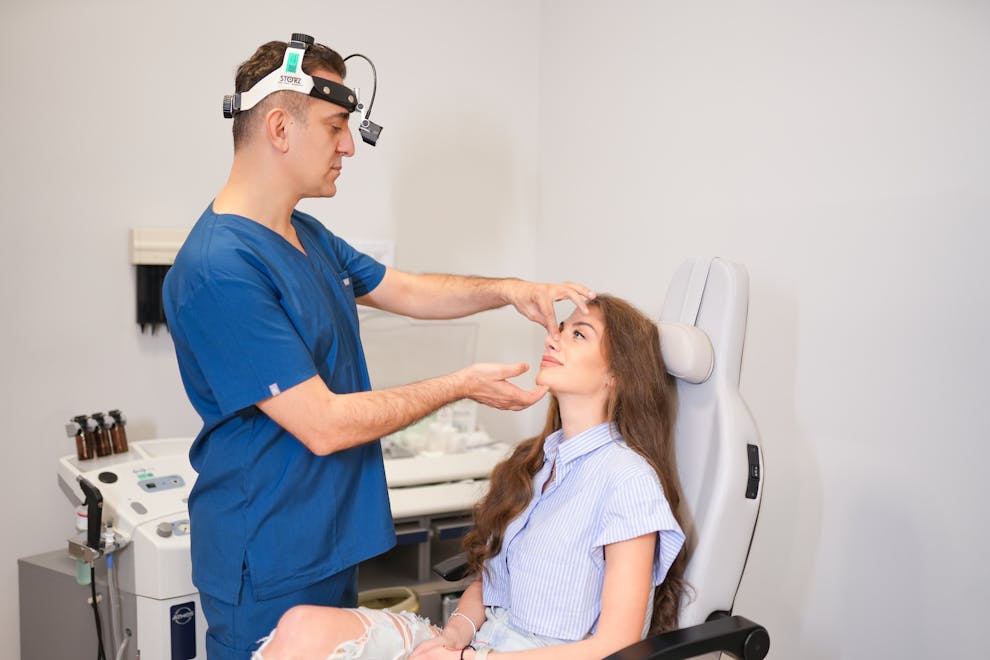
Rhinoplasty is a surgical procedure that can address both aesthetic and functional concerns related to the nose. Whilst many people seek rhinoplasty purely for cosmetic reasons—to alter the size, shape, or profile of their nose—a significant proportion of patients require the procedure for medical purposes. These include correcting breathing difficulties caused by structural defects, repairing damage from injuries, or addressing congenital abnormalities.
The procedure can involve reducing or increasing the size of the nose, changing the angle between the nose and upper lip, altering the tip or bridge, narrowing the span of the nostrils, or correcting asymmetry. Modern rhinoplasty techniques allow surgeons to achieve natural-looking results that harmonise with a patient's facial features, moving away from the obvious "surgical look" that characterised earlier procedures.
Statistical Evidence of Rising Demand
The British Association of Aesthetic Plastic Surgeons (BAAPS) has reported consistent growth in rhinoplasty procedures over the past decade. According to their data, rhinoplasty consistently ranks among the top five cosmetic surgery procedures performed in the UK. The Irish Association of Plastic Surgeons has similarly noted an upward trend in their jurisdiction, with rhinoplasty becoming one of the most requested procedures amongst both men and women.
Particularly noteworthy is the increasing number of younger patients seeking consultations for rhinoplasty. Whilst the procedure has traditionally been most popular amongst individuals aged 30-45, surgeons are now reporting a significant rise in enquiries from people in their early to mid-twenties. This demographic shift reflects broader changes in how younger generations perceive cosmetic enhancement.
The Social Media Factor
One cannot discuss the rising popularity of rhinoplasty without addressing the elephant in the room: social media. Platforms such as Instagram, TikTok, and Snapchat have fundamentally altered how people perceive their own appearance. The constant exposure to filtered images, the practice of taking selfies, and the culture of online validation have created unprecedented levels of facial awareness.
Many cosmetic surgeons report that patients frequently arrive at consultations with carefully curated collections of photographs showing their desired outcomes. The phenomenon of "Zoom dysmorphia"—increased self-consciousness resulting from frequent video calls during the COVID-19 pandemic—has also contributed to rising demand, as people have become more aware of their facial features from angles they had previously rarely observed.
Social media has also played a role in normalising cosmetic procedures. Influencers and celebrities openly discuss their surgeries, sharing before-and-after photographs and documenting their recovery journeys. This transparency has helped to destigmatise cosmetic enhancement and has made the prospect of surgery seem less daunting to potential patients.
Technological Advancements in Rhinoplasty
The field of rhinoplasty has benefited enormously from technological progress, making procedures safer, more precise, and capable of delivering more predictable results. Three-dimensional imaging technology now allows patients to preview potential outcomes before committing to surgery, helping to align expectations between patient and surgeon.
Modern surgical techniques, including preservation rhinoplasty and ultrasonic rhinoplasty, have reduced trauma to surrounding tissues, resulting in shorter recovery times and less post-operative discomfort. These minimally invasive approaches have made the prospect of rhinoplasty more appealing to individuals who might previously have been deterred by the lengthy recovery periods associated with traditional methods.
Additionally, the development of non-surgical rhinoplasty—using dermal fillers to temporarily alter the nose's appearance—has provided an entry point for individuals curious about potential changes without committing to permanent surgery. Whilst these results are temporary, lasting between 12-18 months, they allow patients to experiment with different aesthetic outcomes.
Changing Cultural Attitudes Towards Cosmetic Surgery
British and Irish societies have undergone a profound shift in attitudes towards cosmetic enhancement. What was once viewed with suspicion or judgement has increasingly become accepted as a personal choice. The conversation has shifted from "why would you?" to "why wouldn't you, if it makes you happy?"
This change reflects broader movements towards body autonomy and self-improvement. Cosmetic surgery is increasingly viewed through the same lens as gym memberships, dietary changes, or other self-care practices—as tools for personal enhancement rather than signs of vanity or insecurity.
Mental health awareness has also played a role in this shift. Medical professionals and society at large now better understand the psychological impact of dissatisfaction with one's appearance. For individuals whose self-confidence is significantly affected by their nose's appearance, rhinoplasty can offer genuine improvements in quality of life and mental wellbeing.
The Role of Medical Tourism and Competitive Pricing
The rise of medical tourism has made rhinoplasty more accessible to a broader range of people. Many UK and Irish residents travel to countries such as Turkey, Poland, or Spain, where procedures can cost significantly less than at home. Whilst this has raised concerns about safety and quality standards, it has also pressured domestic providers to become more competitive with their pricing and transparent about their costs.
Simultaneously, the increased availability of payment plans and medical financing options has made cosmetic surgery financially accessible to middle-income individuals who might not have been able to afford the upfront costs. Many clinics now offer flexible payment arrangements that allow patients to spread the cost over several years.
Safety Considerations and Regulation
As demand has increased, so too have concerns about patient safety and the regulation of cosmetic surgery providers. According to rhinoplasty.ie, Both the UK and Ireland have strengthened their regulatory frameworks, with organisations such as the Care Quality Commission in England and the Health Information and Quality Authority in Ireland providing oversight of surgical facilities.
Professional bodies have emphasised the importance of choosing qualified, experienced surgeons who are registered with appropriate regulatory organisations. The General Medical Council in the UK and the Irish Medical Council maintain registers of qualified practitioners, and reputable surgeons will hold membership with specialist associations such as BAAPS or the British Association of Plastic, Reconstructive and Aesthetic Surgeons (BAPRAS).
Patients are increasingly educated about the importance of thorough consultations, realistic expectations, and comprehensive aftercare. The emphasis has shifted towards informed decision-making rather than impulsive choices driven by social media trends or promotional offers.
Conclusion
The growing popularity of rhinoplasty in the UK and Ireland reflects a complex interplay of social, technological, and cultural factors. As procedures become safer, results more predictable, and attitudes more accepting, rhinoplasty has transitioned from an extraordinary measure to a relatively mainstream choice for those seeking to enhance their appearance or resolve functional issues.
However, this growth brings responsibilities for both medical professionals and patients. Surgeons must maintain the highest standards of care, provide honest consultations, and ensure patients have realistic expectations. Prospective patients must conduct thorough research, choose qualified practitioners, and carefully consider their motivations.
As we move forward, the trend towards increased acceptance of cosmetic procedures seems likely to continue. The key to ensuring positive outcomes lies in maintaining rigorous standards, promoting informed decision-making, and recognising that whilst rhinoplasty can enhance appearance and boost confidence, it should always be undertaken thoughtfully and with proper medical guidance.