








Saving Light Bulbs: How to Upgrade Your Home from Traditional Bulbs to LEDs
Modifying your home’s lighting system need not involve any significant renovation at all, and there are a number of ways in which doing so could prove advantageous to you. This includes saving energy as well as setting the right atmosphere in particular rooms. In this regard, Saving Light Bulbs could prove helpful once you are ready for such modifications.
Reasons for Opting for LED Lights
There have been traditional incandescent and halogen light bulbs for many years; however, they are not energy efficient since much of the energy spent on lighting goes to waste in the form of heat produced from these bulbs.
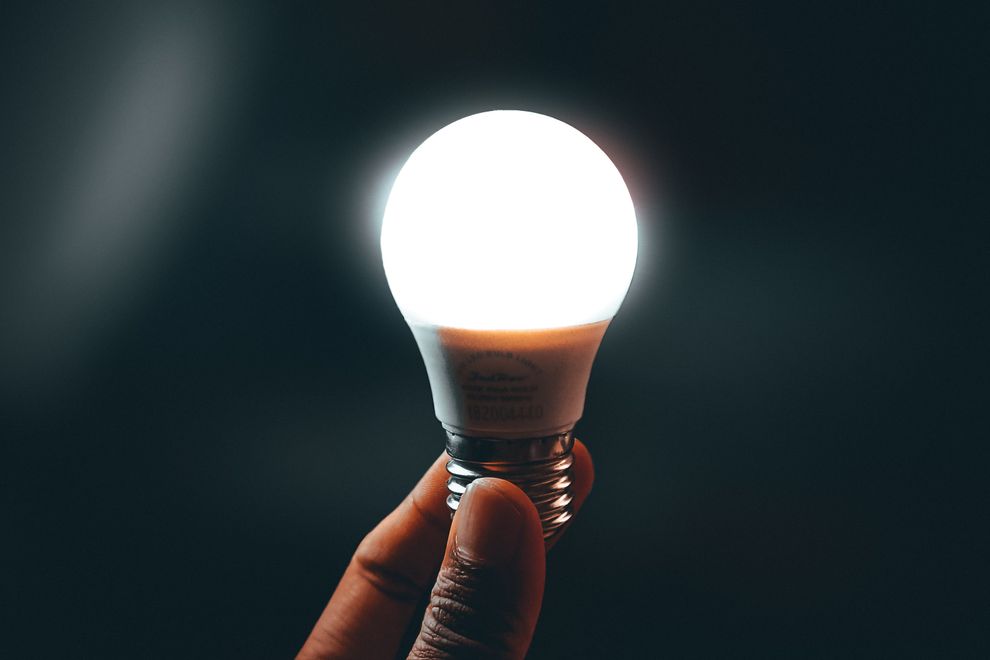
This is due to the difference in the way LEDs function. These bulbs use very little power to produce the same light that is produced by traditional bulbs. In addition, they are long lasting and do not require frequent replacements.
The variety of LEDs is also another advantage that they possess. There are many forms, sizes, levels of brightness, and color temperatures available in LEDs.
Start With the Right Bulb
Changing light bulbs is not just a case of picking out the brightest LED you can find. However, there are other considerations that should be made, including the kind of fitting required, equivalent wattage, color temperature, and the kind of bulb.
If you wish to purchase an energy-saving LED light bulb, there are some things that you have to look at before buying it. First of all, the important thing is lumens, not watts.
- Check Your Existing Fixtures
Before you decide to buy replacement lamps, check out the fixtures currently fitted around your house. Check out the shape of the cap or base, size of the lamp, and the maximum wattage of the fixture.
This simple process will save you from the frustration of buying lamps that may look right but don’t fit properly.
- Think About Colour Temperature
Colour temperature has an impact on the feeling of a room. Colors on the warm side seem soft and cosy, whereas neutral or cold colors seem clean and bright.
When looking around for the best LED bulbs for the different rooms in your home, it is better to think about the purpose of each individual room than choosing the color temperature that suits your entire house.
Small Changes Can Make a Difference
LED replacement is most effective when used along with good lighting practices. Switch off any lights that you are not using and utilise any natural light available, wherever possible. You could even think of installing dimmable LED lights.
Perhaps, you should take into consideration the question of how many fixtures you really need to have in your room. Proper placement of lighting equipment will enable you to reduce the amount of energy spent for achieving the same effect through the use of fewer fixtures.
Conclusion
The changeover from traditional light bulbs to LED lights is not a difficult process that could increase efficiency, reduce the frequency of replacement of lights and give you an opportunity to adjust the ambiance of each room. The selection of proper parameters of lighting fixtures is no less significant than that of lighting fixtures themselves. Saving Light Bulbs will give you professional advice on selecting the right lighting fixture.
FAQs
Is it a practical use of LED bulbs in relation to energy usage?
Yes, usually LED bulbs are energy-efficient as they require less energy for providing equivalent lighting than other bulbs.
Are LED bulbs robust?
Yes, LED bulbs are robust as they have a longer life span than regular bulbs.
Is it feasible to switch to LED bulbs from my conventional bulbs?
Yes, most of the time, it is possible, depending on whether the bulb fits well in your fixtures. Sometimes, you will find yourself having to pay more attention to some specific lighting fittings.
Which LED bulb should I use for my bedroom?
The best LED bulbs should be those giving off warm white light.
Do I have to replace all my light bulbs at one go?
No. Changing your bulbs one after another would make perfect sense.