








The Most Common December Pests and How to Stop Them?
When temperatures drop and winter sets in, many pests begin searching for warm places to hide. Unfortunately, that often means moving into homes, garages and workplaces. December might feel too cold for insects and rodents to be active, but it’s one of the busiest times of the year for pest control callouts. Understanding which pests are most common at this time of year, and knowing how to deal with them, can help protect your home and stop infestations before they become serious. This guide explains the top December pests, why they appear, and the steps you can take to prevent them.
Why Pests Are More Active in December
Cold weather pushes pests indoors. As natural food sources run low, rodents, insects and even birds start looking for shelter, warmth and easy access to food. Central heating, insulated lofts and quiet crawl spaces make British homes ideal places for winter pests to settle. December is also a month when many households store extra food for Christmas, which creates even more opportunities for pests to thrive.
Mice and Rats
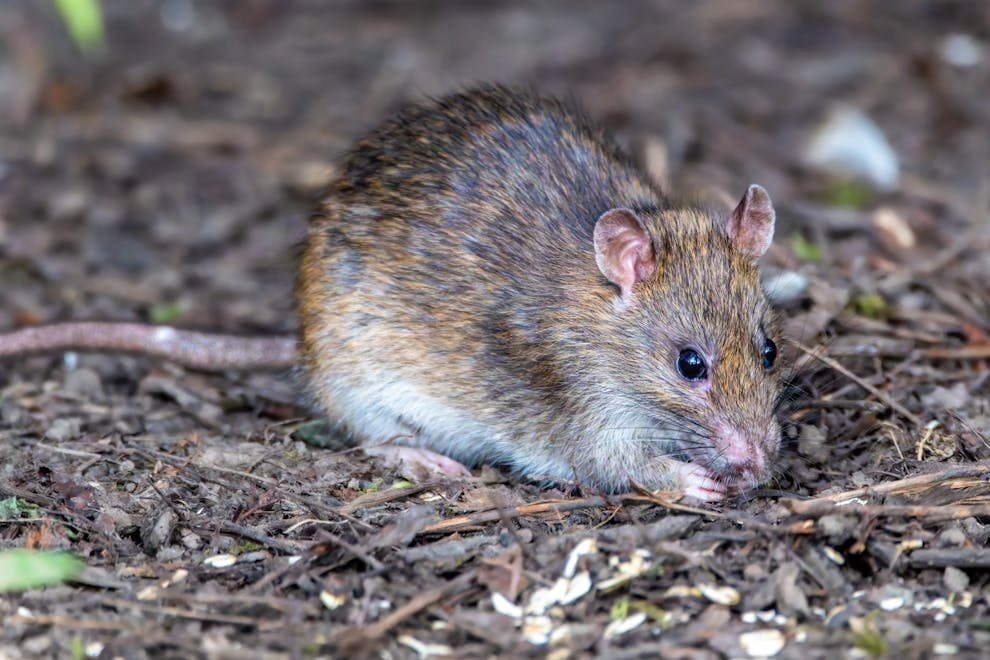
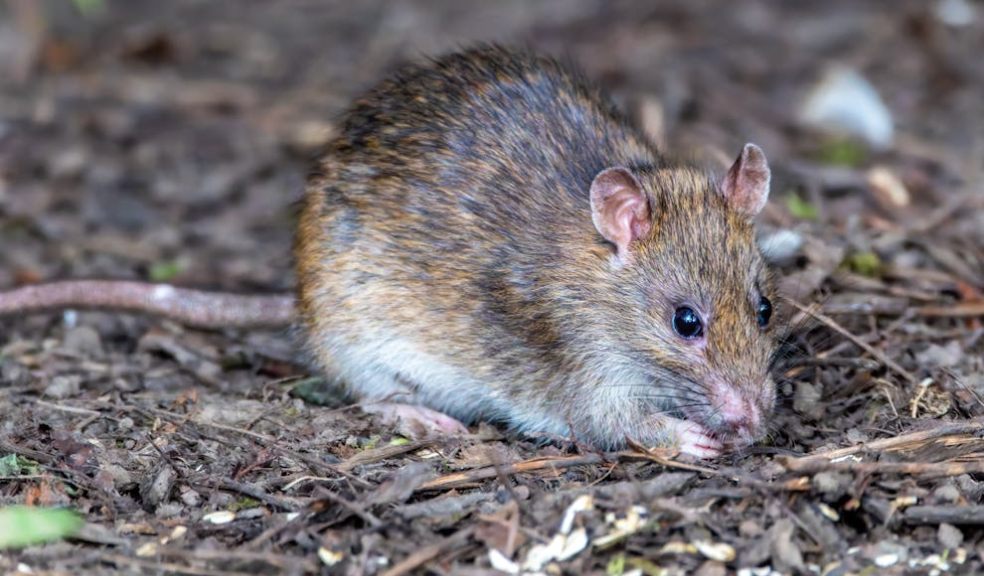
Rodents are the most common winter pests in the UK. House mice and brown rats are particularly active in December because they want warm nesting spots and ready food sources. You might notice droppings, scratching noises in the loft, chewed packaging or a strong smell. Rodents breed quickly, so acting early is important.
To stop them from entering your home, seal gaps around pipes, repair damaged brickwork and store food in airtight containers. Keep bins closed and remove any clutter where they could hide. If you already have signs of activity, traps or professional pest control are usually required, as DIY solutions often only solve part of the problem.
Cluster Flies
Cluster flies are another common December pest. These flies hibernate inside lofts, wall cavities and roof spaces. When mild winter days occur, they often wake up and fly around, causing irritation.
Although they are not harmful to humans, large numbers can be overwhelming. The key to prevention is sealing entry points, especially around window frames, roof tiles and vents. Vacuuming and removing flies as soon as they appear can help reduce numbers. If you have recurring cluster fly problems each winter, a pest control technician can apply targeted treatments that stop them from returning the following year.
Spiders
While spiders are mostly harmless, many people notice more of them in December. Cold weather sends them indoors, and warm rooms help them thrive. They often appear in bathrooms, corners of ceilings or under furniture.
Keeping your home free from dust and clutter helps reduce hiding places. Fixing gaps around doors and windows also discourages spiders from entering. If large numbers appear, it can be a sign of other insects being present, which serve as their food source. Addressing these food sources usually brings spider numbers down naturally.
Silverfish
Silverfish are small, fast-moving insects that hide in dark areas such as bathrooms, kitchens and airing cupboards. They feed on paper, glue, cardboard and even damp plaster. Silverfish thrive in humid environments, which is why winter heating combined with steam from baths and showers can make homes ideal for them.
To prevent silverfish, reduce moisture levels by using extractor fans, repairing leaks and ventilating rooms properly. Store paperwork and cardboard boxes off the floor and away from damp areas. Insect traps and professional treatments may be needed for ongoing problems.
Moths
Clothes moths and pantry moths can remain active in December. Clothes moths prefer warm, undisturbed places like wardrobes and spare rooms, where they lay eggs on natural fabrics. Pantry moths are attracted to dried goods such as flour, cereals, spices and biscuits.
Regular cleaning is the best defence against moths. Vacuum rooms frequently, rotate clothing, and use sealed containers for food storage. If you do find moths in your food cupboard, remove all affected items and clean the entire area thoroughly. Natural repellents like cedar can help deter clothes moths, but large infestations usually need professional treatment.
Ants
Although ants are less active in winter, some species may still enter homes in December, especially if the weather is mild. They are usually searching for food.
Keeping surfaces clean, storing food securely and emptying bins regularly will reduce the chances of ants entering. If ants continue to appear, follow their trail to find where they are getting in and seal the entry points.
Birds
Certain birds, such as pigeons and starlings, can become a problem in December as they seek shelter under roof tiles, in lofts or on ledges. Bird droppings, noise and nesting debris can all cause issues.
Installing bird-proofing measures, such as spikes or netting, is the most effective way to prevent birds from settling. Because some birds are protected by law, always check the rules on bird control at wildlife.
How to Pest-Proof Your Home in December
Preventing pests is often easier than removing them once they’ve settled. Here are the best steps to take during winter:
Seal Entry Points
Check your home for cracks, gaps around doors, holes near pipes, loose roof tiles and damaged vents. Even small openings allow pests in.
Keep Food Sealed
Store dry goods in jars or hard plastic containers. Do not leave leftover food out overnight and clean up crumbs as soon as they appear.
Maintain Good Hygiene
Regular cleaning keeps pests from finding hiding places or food sources. Pay attention to behind appliances, inside cupboards and around skirting boards.
Reduce Moisture
Damp homes attract insects. Repair leaks, use ventilation fans and avoid hanging wet clothes indoors where possible.
Declutter
Cluttered spaces make perfect nesting sites for pests, especially rodents and insects. Keeping floors and corners clear helps reduce their hiding spots.
Check Lofts and Garages
These areas are often warm, quiet and easy for pests to access. Inspect them regularly for droppings, nests or damaged insulation.
When to Call a Pest Control Professional
Some winter pests can be managed through prevention, but others require expert help. Notice repeated signs of rodents, increasing numbers of insects, or any damage to your home. Your local professional like Sun Pest Control in Banstead will be able to identify the cause and treat it properly, so they don’t return. December infestations often grow faster than expected because pests seek long-term shelter for the entire winter season.
Final Thoughts
December brings many seasonal pests into British homes, but with the right prevention, you can keep your property safe, clean and pest-free. By understanding what pests are most active during the winter and knowing how to protect your home, you’ll reduce the risk of costly and stressful infestations. Whether it’s rodents in the loft, moths in your cupboards or silverfish in the bathroom, staying alert and taking action early is the best way to enjoy a comfortable, pest-free winter.