









Don’t Get Hit with an Outrageous Bill – The Monthly Home Maintenance Habits You Need to Develop
Deferring maintenance plans at a home or any facility is a financial liability compounding at 7% per year. Everyone knows that being a homeowner carries with it responsibilities including proper upkeep and maintenance to ensure that the abode is safe and comfortable for its inhabitants. A house also represents the biggest investment and neglecting it leads to depreciation. Furthermore, small problems often turn into big ones making it vital to address them as soon as they appear for efficiency and cost savings. Proactive maintenance of a home translates to low, predictable monthly costs while increasing or maintaining the value of a property. Here are important tasks that can help with the monthly home maintenance.
Roof and Gutter Visual Inspection
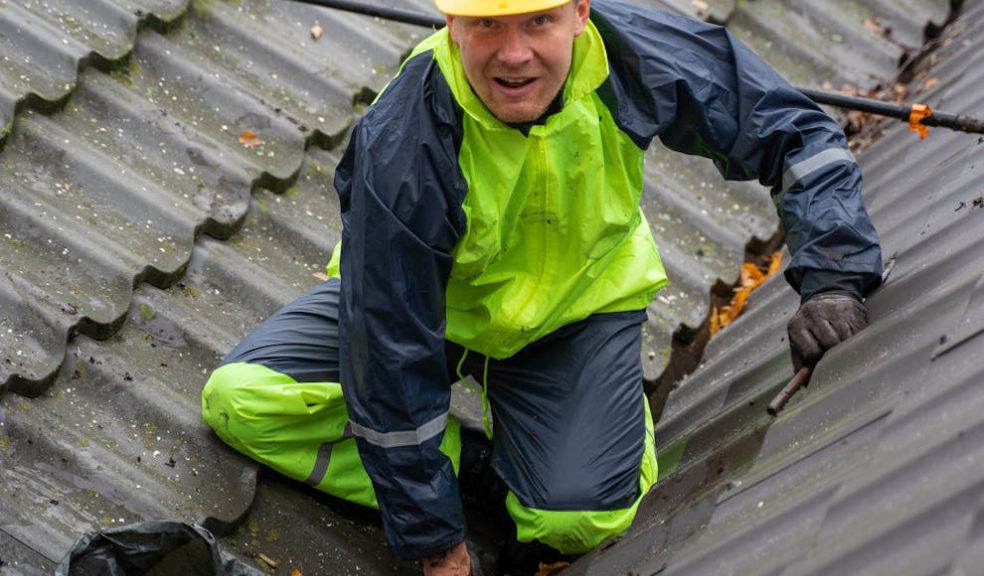
While the foundation of a house is the literal bedrock of a property, equally, the roof is the structure that protects it from above. Once water enters the home, many things can happen including mold, rot, and electrical failure. Hence, while it's not necessary to climb the roof or use a ladder monthly, do a gutter visual check on a rainy day and find out if water is not cascading on the side rather than down the pipe. Ensure that drains and downspouts are free from debris and obstruction. With UK weather becoming more volatile, clearing leaves prevents water from pooling against brickwork which can cause penetrative damp. Look into hiring roofing contractors to fix loose shingles or broken drains and ensure that the property is legally compliant with building regulations.
Safety and Security
Another basic monthly check that a homeowner should do is to test smoke and carbon monoxide alarms. Failure to do so can lead to fines of up to £5,000 for minor breaches, custodial sentences for serious offences, and invalidated insurance policies if a fire occurs. Therefore, a working alarm is essential for safety and is often a requirement for valid home insurance. In winter and autumn, make it a point to bleed radiators because trapped air causes cold spots forcing the boiler to work harder. This alone can save up to £350 in bills according to The Sun article.
Plumbing and Drainage Maintenance
Around 60% of areas in the UK experience hard to very hard water according to Scale Guard. Hard water is detrimental to appliances due to limescale buildup which clogs motors and blades. Hence, appliances and machines can fail earlier than their projected lifespan without proper care. Descale kettles and coffee machines to prevent limescale buildup. Don’t forget showerheads to avoid water pressure issues and heating element burnout. It’s also useful to locate the internal main water valve which is usually under the kitchen sink and turn it on and off to ensure it hasn’t seized up. In case of a burst pipe, it is easy to control the stopcock and avert a catastrophic water damage which on average can cost £1,550 to fix based on Checkatrade prices.
Energy Efficiency Check
The price of energy keeps climbing more so nowadays with the volatile global political situation. Hence, a monthly efficiency check can save homeowners hundreds per year. For example, make it a point to submit meter readings to your provider to make sure that you only pay for what you used. Don’t rely on estimated bills as this can also lead to debt traps. Note that in the UK, Ofgem’s back billing rules exist to prevent suppliers from charging energy used more than 12 months ago if providers failed to bill you correctly. However, if readings were not provided upon request, this protection may not apply. Another easy check to do is to look at the dial on your boiler which should typically be between 1-1.5 bar. It is consistently dropping, there might be small leak somewhere that could eventually damage the heat exchanger. Repairing the heat exchanger can cost anywhere between £400-£750 according to MyBuilder.
Home ownership in the UK can come with scary expenses. The most sensible strategy is to opt for reactive spending by performing monthly checks on roofs & gutters, boilers & radiators, plumbing, and safety systems.