








Outdoor Furniture Trends in British Gardens: What’s Changing?
If you compare gardens today with those from fifteen or twenty years ago, the difference is noticeable. Patios are larger, seating areas more deliberate, and there’s often a sense that the garden is meant to function as an extra living space rather than simply a patch of green behind the house. People are investing more thought into how they use the space — morning coffee spots, shaded corners for reading, longer summer evenings around a table that doesn’t wobble every time someone leans on it.
That shift has naturally influenced the kind of outdoor furniture people buy. It’s no longer about grabbing a lightweight set at the start of summer and replacing it two years later. Durability has crept up the priority list.
Materials in Fashion – and Why Some Fall Short
Timber still holds strong appeal. There’s something undeniably comforting about a wooden bench under a tree or along a gravel path. In cottage-style gardens especially, it just feels right. Hardwoods such as teak or oak can age beautifully, turning that soft silvery colour many people actually prefer. But timber demands attention. In a damp British climate, neglect it for too long and you’ll start to see splitting, dark patches or the early signs of rot. Some people enjoy the yearly ritual of oiling or staining; others quickly tire of it.
Metal furniture has gone through several waves of popularity. Traditional wrought iron pieces lend a slightly romantic feel, while powder-coated steel or aluminium fits better with modern landscaping and clean lines. The downside, of course, is temperature and maintenance. Metal can be freezing in April, scorching in July, and if the coating chips, rust rarely waits politely before spreading.
Rattan-style seating remains common, particularly for those aiming to create an outdoor “lounge” effect. It looks inviting, especially when paired with thick cushions. Yet bulkier sets can overwhelm smaller gardens, and cheaper synthetic weaves don’t always age well. Cushions also seem to multiply – and they all need somewhere dry when the weather turns.
In recent years, conversations about the best garden benches have quietly shifted. It’s not just about style anymore. People are asking how long something will last, whether it will need repainting, and what it’s made from in the first place.
The Rise of Low-Maintenance Options
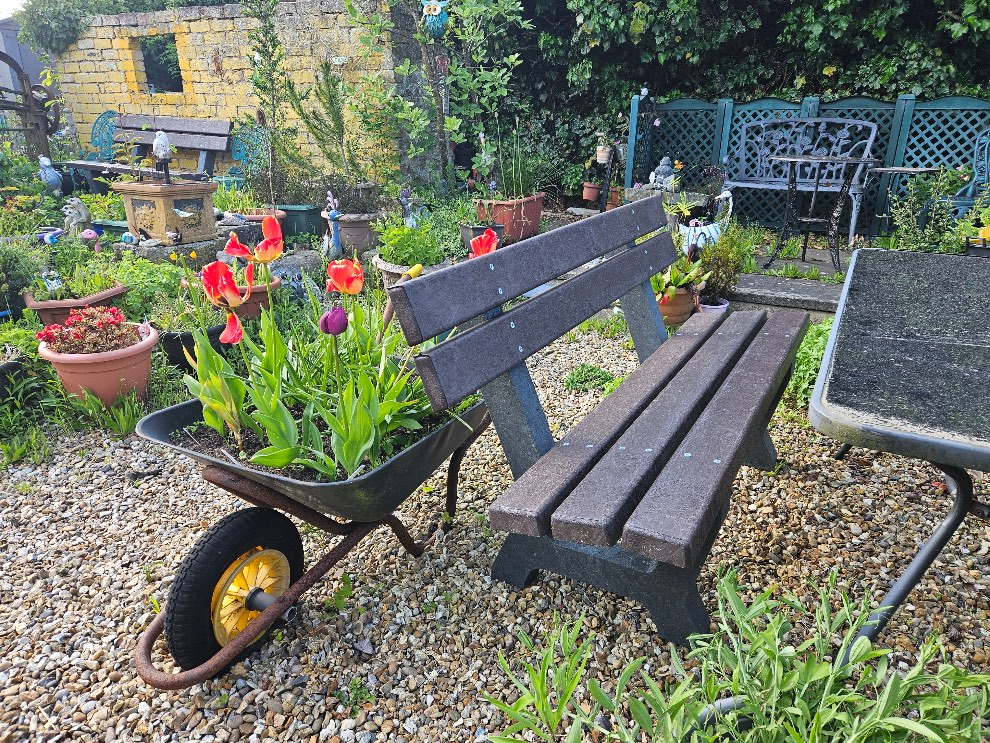
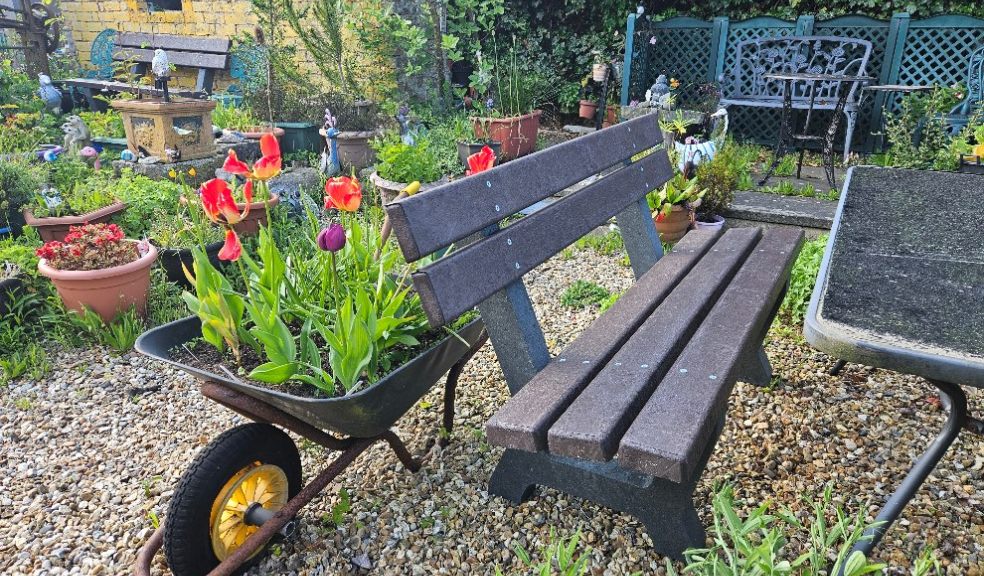
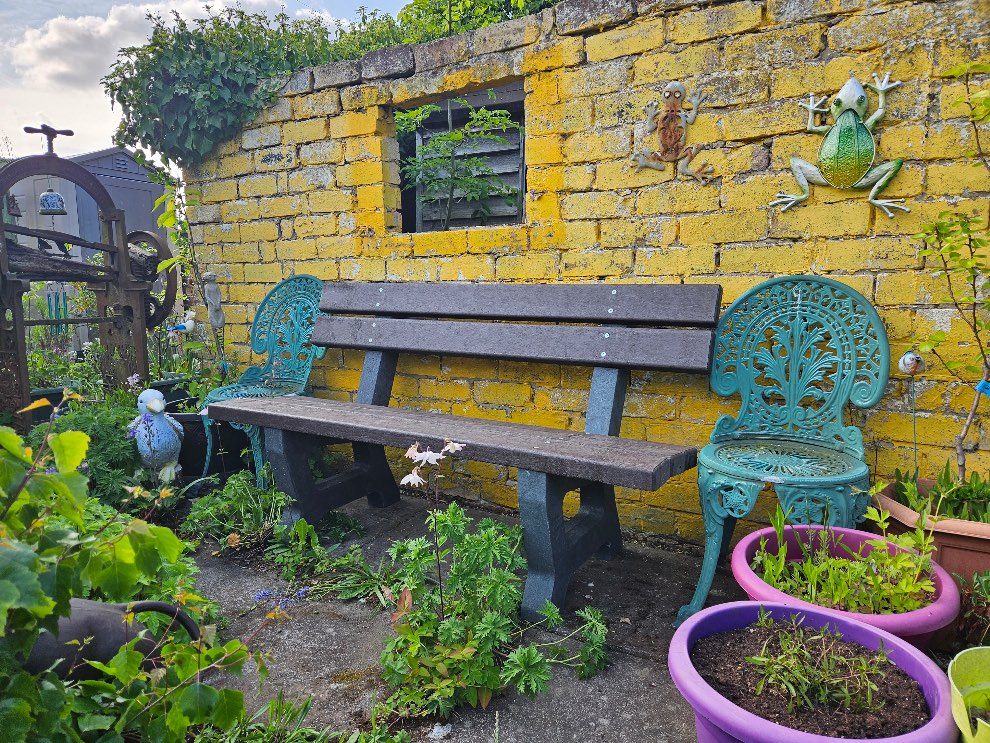
This is where recycled plastic furniture has found its footing. At a glance, many recycled plastic benches resemble painted timber. The finish often includes a subtle grain, and the colours are muted enough to blend into planting schemes rather than dominate them.
The real difference becomes clear after a few winters. Recycled plastic doesn’t absorb moisture in the same way wood does. It won’t splinter, and it doesn’t need staining or sealing. A quick wash now and then is generally enough. For busy households, or for public spaces where regular maintenance isn’t practical, that simplicity carries weight.
There’s also the environmental aspect, which matters more to buyers than it once did. Furniture produced from recycled materials keeps plastic in use for longer and reduces reliance on newly harvested timber. It’s not a dramatic gesture, perhaps, but it’s a steady, sensible one.
Choosing What Actually Suits the Garden
Trends will continue to shift – colours will change, shapes will evolve, and new materials will appear. What seems consistent, though, is the move towards furniture that feels solid and intentional. Pieces that can stay outside year-round without looking exhausted by February. Some gardens suit wood perfectly, and some call for the sharper outline of metal. Others benefit from the practicality of recycled plastic, especially where longevity and low upkeep are priorities. There isn’t one correct answer, and that’s part of the appeal.
The garden itself usually decides. And increasingly, people are choosing furniture that can quietly do its job for years, without demanding quite so much in return.
Image source: LL Plastic