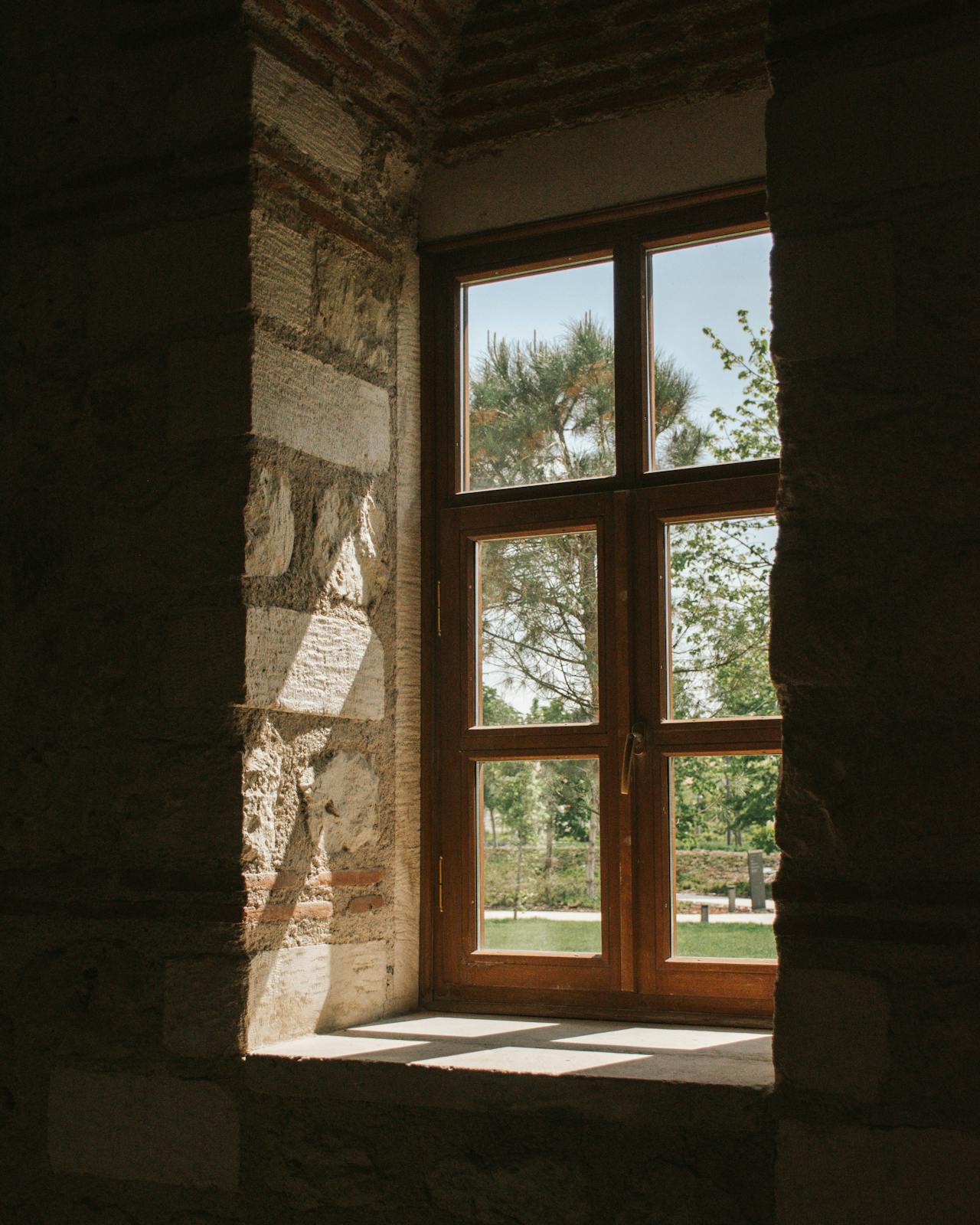









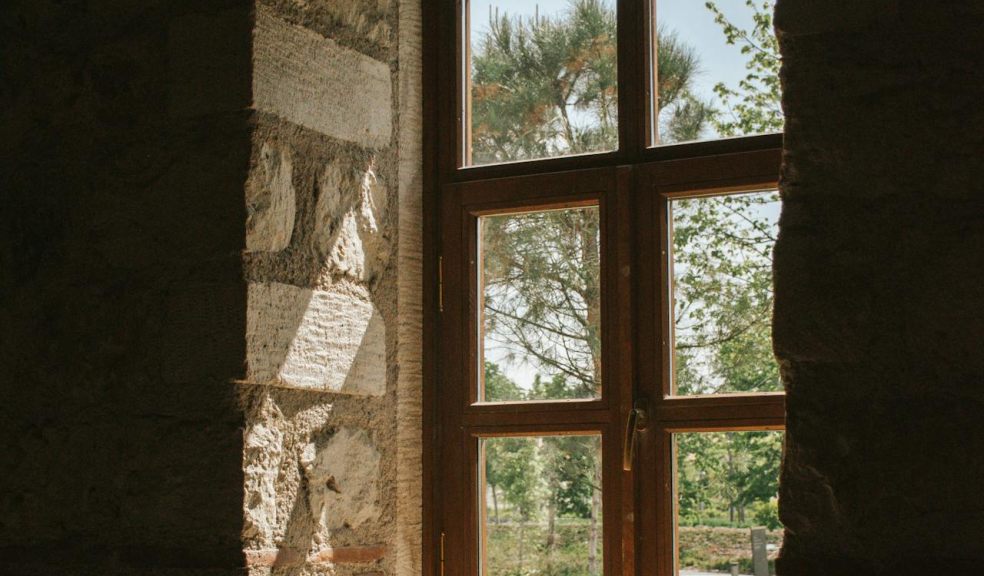
Why Devon Homeowners Are Choosing Timber Over uPVC for Period Property Restorations
Drive through any of Devon’s historic market towns — Topsham, Crediton, Totnes — and you’ll notice something shifting. Where white uPVC once replaced ageing window frames wholesale, a growing number of homeowners are turning back to timber. It’s not just nostalgia. The reasons are practical, financial, and increasingly tied to how local planning rules are being enforced.
The Conservation Area Factor
Devon has over 130 designated conservation areas, from the cobbled lanes of Dartmouth to stretches of central Exeter itself. If your property falls within one, permitted development rights are often restricted — and that includes what you can do with your windows.
Teignbridge District Council, East Devon, and Exeter City Council have all tightened enforcement in recent years. Replacing original timber windows with uPVC in a conservation area can now trigger an enforcement notice, requiring the homeowner to reinstate appropriate materials at their own cost. For anyone who bought a period property assuming they could fit standard plastic frames, this has been a rude awakening.
Planning officers aren’t being difficult for the sake of it. Conservation area designation exists to preserve architectural character, and windows are one of the most visible elements of any façade. A Georgian terrace in Topsham with mismatched uPVC frames loses something that’s hard to quantify but easy to see.
Thermal Performance Has Caught Up
The old objection to timber windows was always performance. They draughted, they rotted, they needed constant maintenance. Twenty years ago, much of that was fair. Today, the picture looks quite different.
Modern engineered timber frames — particularly those manufactured from laminated pine, meranti, or oak — achieve U-values comfortably within Part L of the Building Regulations. Double-glazed timber casement windows routinely hit 1.4 W/m²K or better, which is comparable to mid-range uPVC units and significantly better than the single-glazed originals they replace.
For homeowners weighing up the options, it’s worth requesting specific thermal data from suppliers specialising in made-to-measure timber frames, as performance varies considerably depending on the glazing specification, gas fill, and frame profile. A well-specified timber window can match or exceed the thermal performance of most standard uPVC alternatives while meeting heritage requirements.
The EPC Question
With the government’s proposed tightening of minimum EPC ratings for rental properties — and with mortgage lenders increasingly factoring energy performance into valuations — window upgrades have moved from “nice to have” to “sensible investment.”
Replacing single-glazed windows is one of the most impactful changes a homeowner can make to their EPC score. The Energy Saving Trust estimates that upgrading from single to double glazing in a typical semi-detached property can save around £110 per year on heating bills and improve the rating by several points. In conservation areas where uPVC isn’t permitted, timber is the route to capturing those gains without planning complications.
What to Look For
Not all timber windows are created equal, and Devon’s climate — wet winters, coastal salt air in parts of the county — makes specification important.
Hardwood species like meranti and oak offer superior durability in exposed conditions, while engineered pine provides an excellent balance of performance and cost for sheltered elevations. Look for FENSA registration or equivalent certification from your installer, and check whether the supplier holds FSC or PEFC chain-of-custody certification if sustainability matters to you. Wooden Windows Online, for example, offers bespoke timber windows across all three species with factory-applied microporous coatings designed for the UK climate.
It’s also worth asking about factory glazing versus site glazing. Factory-sealed units arrive with the glass already fitted and sealed under controlled conditions, which generally produces a longer-lasting, more reliable seal than on-site assembly.
A Shift Worth Watching
The trend isn’t limited to listed buildings or grand country houses. Across Devon, owners of 1930s semis, Victorian terraces, and even 1960s bungalows are discovering that timber frames can be specified to fit virtually any opening — and that the long-term costs are closer to uPVC than most people assume, particularly when you factor in a 30-year-plus lifespan with proper maintenance.
For a county with as much architectural character as Devon, that’s good news. The windows might seem like a small detail, but they’re often the element that holds a streetscape together.