







Non-Toxic Toys Every Parent Should Consider
Children spend hours chewing, cuddling, and dragging their toys around, so whatever a toy is made of will be close to their skin, their mouth, or both. Phthalates, BPA, and lead-based paint are among the chemicals that can be found in some traditional toys, and these can become a concern with regular use. The good news? There are plenty of safer alternatives that don’t sacrifice fun. Here's a quick list of non-toxic toy categories to consider, including non-toxic 3D printed toys and some that have nothing to do with 3D printing at all.
1. Solid Wood Toys
As long as you know what to look for, wooden toys are one of the more reliable non-toxic options out there. The safest option is unfinished solid wood or wood that has been finished with a non-toxic, water-based stain. Stay away from anything that has a strong chemical odour out of the box, as that's usually an indication of a lower-quality finish or glue. Good signs are certifications like FSC, which indicates the wood comes from responsibly managed forests, but it’s worth double-checking that the paint or finish is non-toxic separately.
2. Food-Grade Silicone Toys
Silicone is a popular alternative to plastic for teething rings, stacking toys, and bath toys. Good food-grade silicone can withstand heat, cold, and constant washing without breaking down or leaching chemicals. Not all silicone is created equal, and cheaper versions can contain fillers that aren't actually safe, so it's worth sticking with brands that are transparent about their materials.
3. Rubber Toys
The sap of the Hevea tree is the source of natural rubber, a sustainable and plastic-free option most often found in teething toys and bath toys, such as the classic rubber duck. It's soft enough for little ones to chew on and usually easier on sensitive skin than synthetic rubber. Just remember that natural rubber can wear away faster than harder plastics, particularly with heavy daily use.
4. Organic Cotton and Fabric Playthings
Hard toys get more attention than stuffed animals and soft toys. However, they are equally important. Most commercial stuffed animals are stuffed with synthetic stuffing, and the fabric itself may be treated with different finishes. Organic cotton or other natural fibres can be an alternative and are often easier to wash regularly, which is important for toys that are dragged around and pressed against a child’s face all day.
5. Non-Toxic Art Supplies
Like any other toy, crayons, paints, and playdough should be checked because kids are always using them and may end up putting some in their mouths anyway. Look for labels that specifically say non-toxic. For crayons and paints, look for ASTM D-4236 on the packaging, which indicates that the product has been evaluated rather than simply labelled with a reassuring phrase.
6. 3D Printed Toys
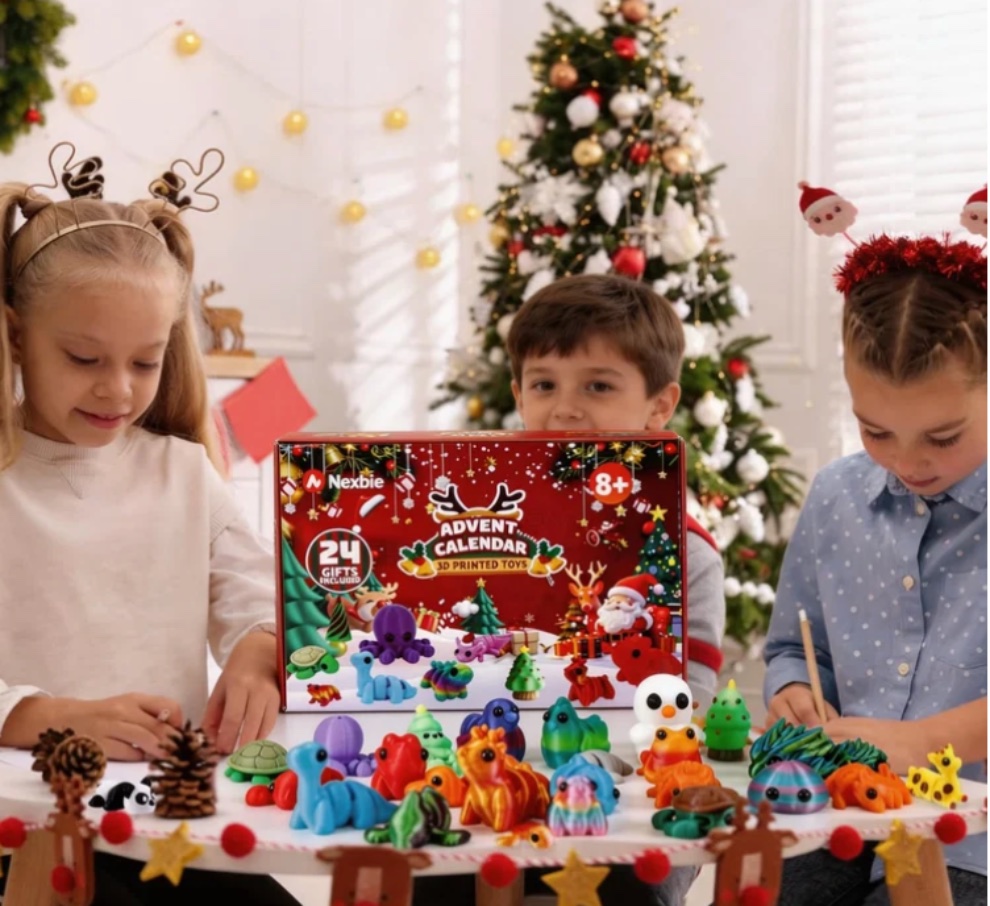
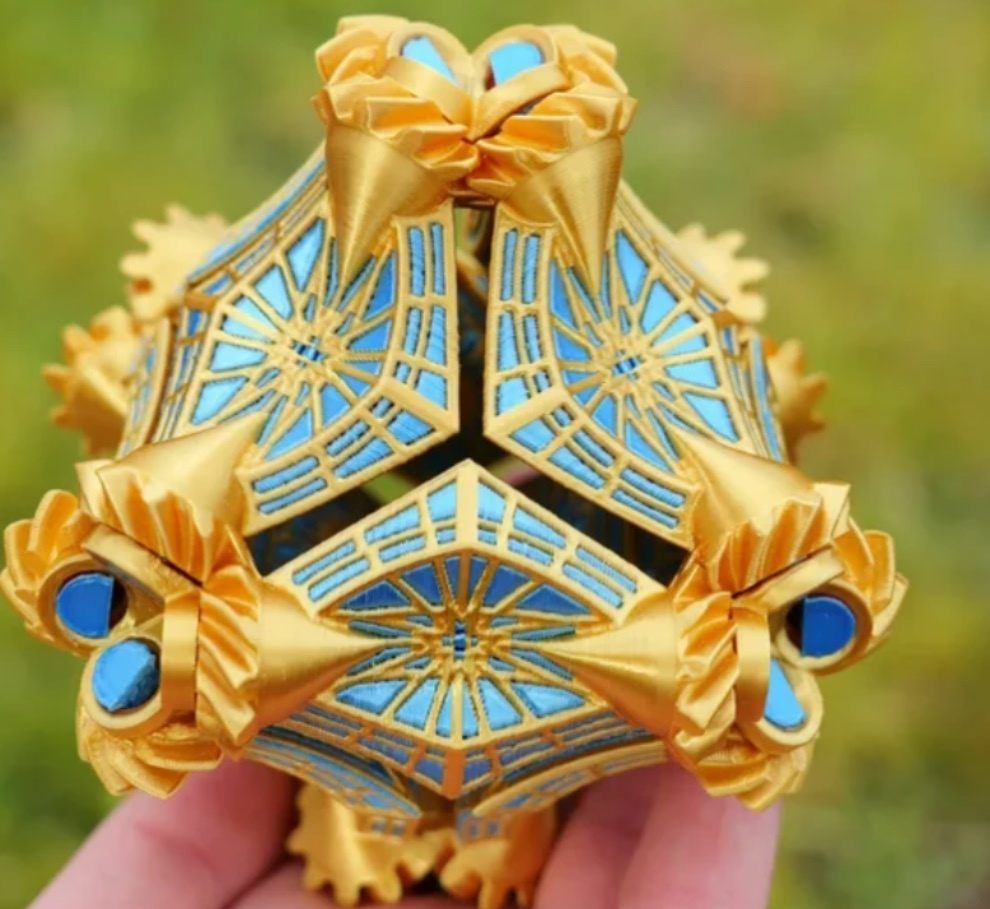
3D printed toys are another option to consider, especially those printed from PLA, a plant-based plastic that is commonly used in 3D printing. Nexbie’s range of toys includes posable animals, dragon eggs, and figures, all made with smooth-edged designs, so it’s a good option if you want something a little different from the usual wooden block or stuffed animal.
Nexbie 3D Printed Advent Calendar
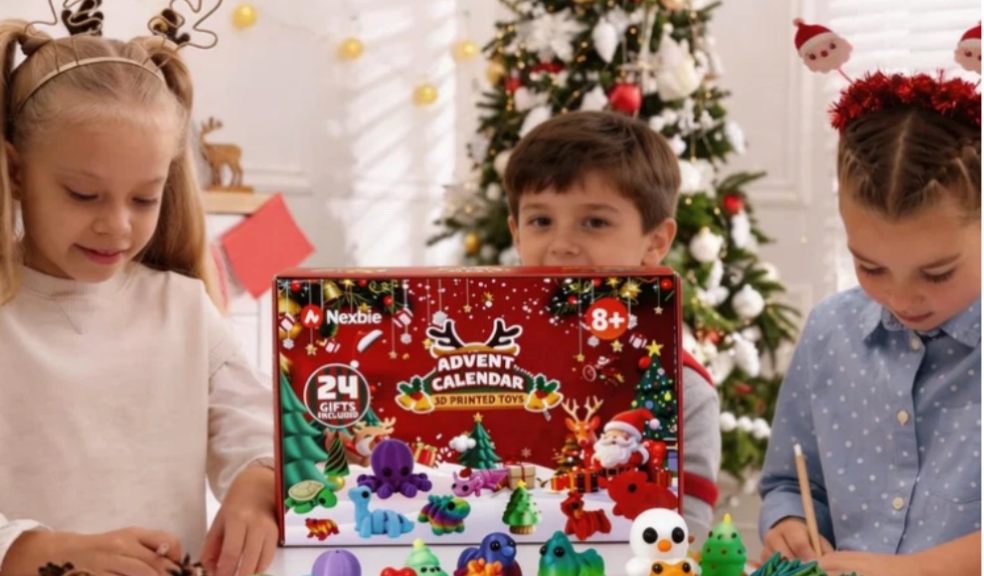
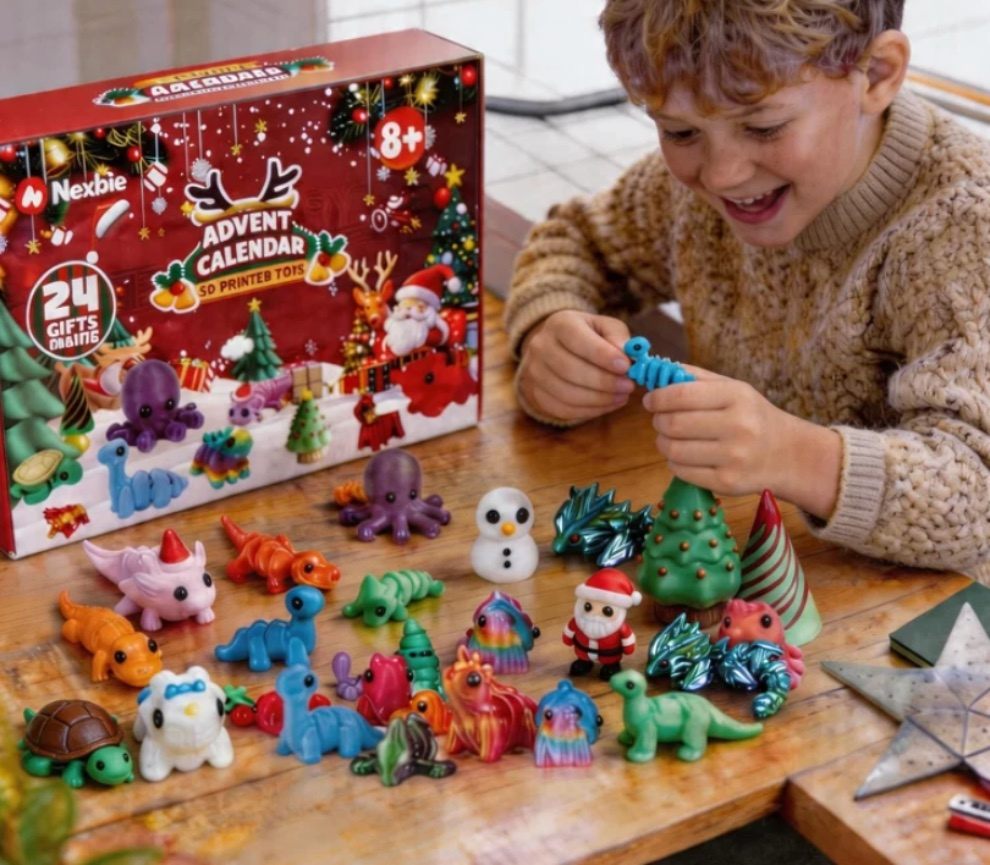
If you want something festive, then the 3D printed advent calendar is a nice option. It features 24 individually wrapped collectible animal figurines, one for each day in the countdown to Christmas, and is made from the same materials as Nexbie’s other toy offerings. It adds a little something memorable to the holiday countdown, other than the daily square of chocolate, and the figures are worth keeping around long after December.
No Matter the Material, What to Look For
There are a few habits worth cultivating, regardless of the category you are shopping from.
- Read the materials list, not just the label: “Non-toxic” on its own doesn’t tell you much. Look for what the toy is actually made of.
- Verify real credentials: Labels such as GOTS, OEKO-TEX, FSC, or EN71 can provide additional information about materials and testing.
- Trust your nose: If it smells strongly of chemicals right out of the package, that's worth paying attention to.
- If you are unsure, contact the brand directly: Good companies should be able to provide information about the materials and finishes used on their toys.
Conclusion
Non-toxic doesn’t mean boring or limiting. There are plenty of options, from solid wood to food-grade silicone, natural rubber, organic fabrics, non-toxic art supplies, and even 3D printed toys made from different materials. These options can help reduce exposure to unwanted substances without sacrificing fun. A little label-reading goes a long way, and it’s one of the easiest ways to make sure the toys filling up the playroom are appropriate for your child.