








Why Home-Based Care Is Becoming the Preferred Choice for Britain's Ageing Population
Growing older does not automatically mean wanting a completely different way of life. For many people, the small things matter most: sitting in a favourite chair, sleeping in their own bed, knowing the neighbours and having familiar shops just around the corner. As more families consider how best to support ageing relatives, preserving those everyday comforts is becoming an increasingly important part of the decision.
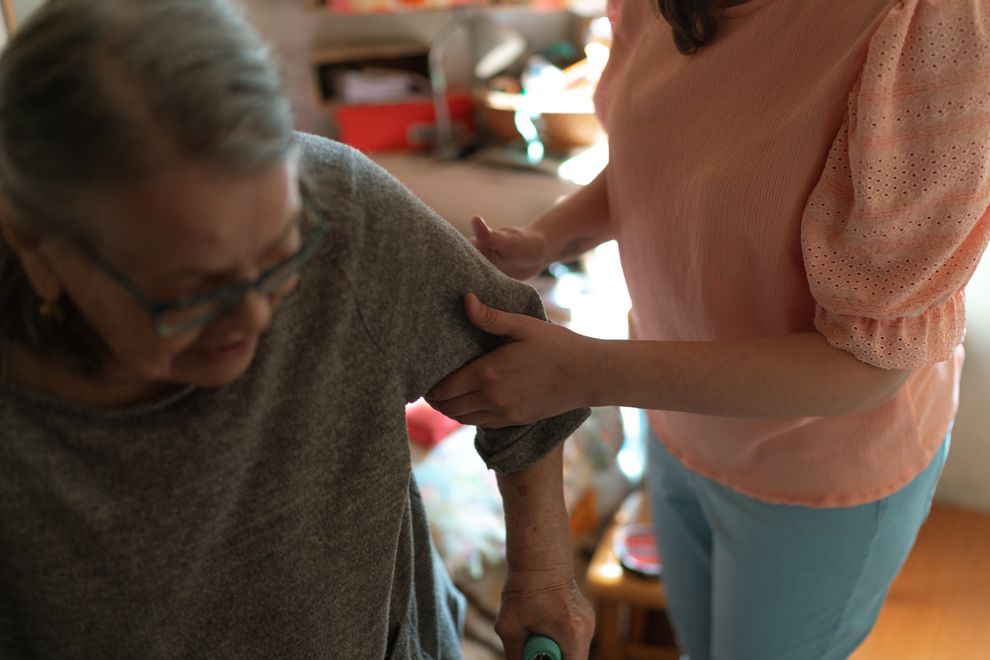
This is one reason home-based care is gaining popularity across Britain. Rather than asking older adults to adapt to a new environment, it brings the support they need directly to them.
Staying Close to Familiar Surroundings
Familiarity can make everyday life feel more comfortable and manageable. Older adults may already know their local shops, doctors, neighbours and community groups, while their home itself may be filled with possessions and memories that provide reassurance.
Receiving care at home means these familiar connections do not have to be disrupted. Instead of adapting to a completely new environment, people can continue following many of their usual routines with additional support where needed.
More Personalised Support
One of the biggest advantages of home-based care is that it can be tailored around the individual.
Some people may only need help with preparing meals, shopping or household tasks, while others require assistance with mobility, personal care or medication routines. Care can often be adjusted as circumstances change, rather than forcing someone into a one-size-fits-all arrangement.
Families researching senior home care can explore support that reflects an older person's individual needs, preferences and daily habits while helping them remain comfortable in their own home.
Maintaining Independence for Longer
Needing support does not necessarily mean giving up independence. In fact, the right care can help preserve it.
An older person might still be perfectly capable of choosing what they eat, deciding how to spend their day or meeting friends, but need assistance with certain physical tasks. Home-based care can fill those gaps without taking over unnecessarily.
This balance can help people retain a sense of control over their lives, which is particularly important when other aspects of ageing may already feel less predictable.
Keeping Family Relationships More Natural
Without professional support, relatives can sometimes find themselves taking on increasingly demanding caring responsibilities. What begins as helping with the weekly shop may gradually expand into cooking, cleaning, transport and personal care.
Professional home care can reduce some of this pressure. Family members can still provide companionship and emotional support, but they do not necessarily have to manage every practical aspect of care themselves.
As a result, time together can feel more like family time again rather than becoming centred entirely around caregiving duties.
Flexible Care That Can Change Over Time
Older people's needs rarely remain exactly the same. Someone who currently needs a few visits each week may eventually require daily support or even continuous live-in care.
Home-based services can often evolve alongside these changing requirements. This flexibility allows families to reassess arrangements gradually rather than making one major decision before it is necessary.
A Growing Preference for Ageing at Home
There is no single care solution that suits every older person, and residential settings remain important for many families. However, home-based care offers an attractive combination of familiarity, flexibility and independence.
For Britain's ageing population, being able to receive additional support while remaining surrounded by the people, possessions and routines they value can make later life feel considerably more comfortable. As families increasingly look for personalised alternatives to traditional residential care, staying at home is likely to remain a popular choice.