









Understanding Fire Risk Assessments for Commercial Buildings in Exeter
Fire safety isn’t just a checklist item for business owners—it’s something you have to get right, especially in a place like Exeter. This city’s packed with all sorts of commercial spaces, from centuries-old buildings to brand-new offices.
When you work with experienced fire risk assessment providers in Exeter, you get more than just a basic service.
Knowing how fire risk assessments work isn’t just about ticking boxes for the law; it’s about protecting the people who walk through your doors every day, and making sure your business has a future.
Let’s break it down. Here’s what fire risk assessments actually mean for business owners and managers in Exeter, and why it’s worth working with local experts who know the lay of the land.
What’s a Fire Risk Assessment, Really?
A fire risk assessment is a full-on review of your building’s fire safety setup. You look for what could start a fire, figure out who might be in danger, and decide if your current safety measures are actually effective.
If you run a commercial property, you have to do this. The Regulatory Reform (Fire Safety) Order 2005 makes it the law for almost every non-domestic building—offices, shops, restaurants, warehouses, even shared areas in flats.
Who’s responsible? Usually, it’s the person who controls the building: the owner, the landlord, a facilities manager—someone who’s actually in charge. You can’t just ignore it. You have to get the assessment done, keep it up to date, and actually follow through on any action that’s needed.
Why Fire Risk Assessments Are So Important in Exeter
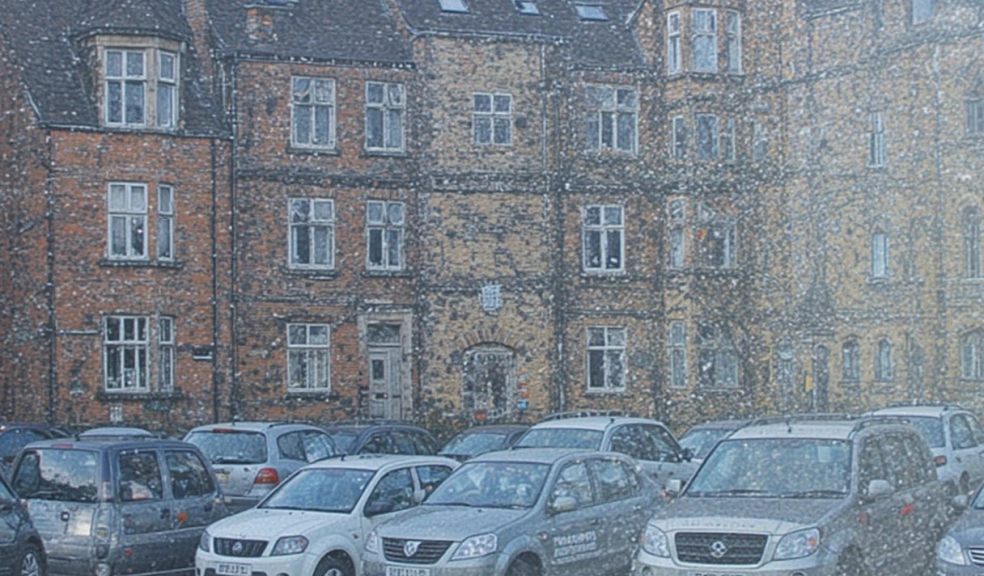
Exeter isn’t your average city. Some buildings here are ancient and never had modern fire safety in mind. Others are sprawling new builds with tricky layouts, lots of people, or mixed commercial uses all under one roof.
Add in the steady stream of visitors, tourists, and seasonal crowds, and the risks really shift throughout the year. All those factors mean a one-size-fits-all approach just doesn’t work.
Your fire risk assessment has to fit your building and your business, not just some generic standard. Plus, local fire authorities look for plans that actually make sense for Exeter’s unique mix of old and new.
Legal Duties for Commercial Property Owners and Managers
If you’re in charge of a commercial building, you have clear legal duties. Ignore them, and you’re asking for trouble.
Here’s what you need to do:
- Carry out a fire risk assessment.
- Put the right fire safety measures in place.
- Review and update the assessment regularly.
- Train your staff and give them proper fire safety info.
Skip any of that, and the council or fire service can slap you with notices, fines, or even take you to court. And if you haven’t done your bit, don’t expect your insurer to help out if something goes wrong.
The Fire Risk Assessment Process Explained
There’s a method to this—don’t just walk through the building with a clipboard. Here’s how it usually goes:
Spot the Hazards
First, you hunt for anything that could start a fire. Think electrical gear, heaters, piles of paper, cleaning chemicals—anything that burns or sparks.
Who’s at Risk?
Next, figure out who could get hurt. Staff, customers, contractors, anyone on the premises. Pay extra attention to people who might struggle to get out in an emergency, like those with mobility issues or people unfamiliar with the building.
Are Your Safeguards Good Enough?
Take a hard look at your current safety gear and plans. Are the alarms working? Are exits clear? Fire doors, emergency lighting, escape routes, signs—do they all actually work, or are you just hoping for the best?
Document and Act
Write down what you find, but don’t just file it away—act on it. Prioritize the biggest risks and set deadlines to fix things.
Keep It Fresh
A fire risk assessment isn’t a one-off job. If you change how you use the building, take on more staff, or have any kind of incident, review and update your assessment.
Should You Use a Professional Fire Risk Assessor?
You’re allowed to do the assessment yourself if you know what you’re doing. But let’s be honest—fire safety can get complicated fast, and missing something could cost you big time.
That’s why a lot of businesses in Exeter call in professional fire risk assessors. They know the regs inside out, spot things you might miss, and can give you clear, practical advice. Plus, they know what local enforcement officers expect, which helps you stay on the right side of the law.
When you work with experienced fire risk assessors in Exeter, you get more than just a box-ticking exercise. These folks know the area — they’re familiar with all the quirks of local buildings and understand the common compliance headaches that pop up around here.
Common Fire Safety Issues in Commercial Buildings
You’d be surprised how many commercial buildings run into the same fire safety problems. Most of the time, it isn’t because anyone’s being careless — things just slip through the cracks.
Blocked fire exits, busted fire doors, alarms that don’t cover the whole place, confusing signage, and staff who aren’t sure what to do in an emergency — these are the usual suspects.
Even small changes inside a building can mess with your fire safety if you don’t keep an eye on them.
A proper fire risk assessment spots these hazards early, breaks down why they’re a big deal, and gives you clear steps to sort them out.
Fire Risk Assessments and Business Continuity
Fire safety isn’t just about following the rules. It’s about keeping your business running, no matter what. A serious fire can shut your doors for good, wreck your reputation, drive away customers, and hit your finances hard.
That’s why fire risk assessments matter. They help you spot risks before they turn into disasters and make sure you’ve got solid safety measures in place. It’s all about keeping your business going, even if something does go wrong.
How Often Should Fire Risk Assessments Be Reviewed?
There’s no one-size-fits-all answer here, but you shouldn’t leave it too long between reviews. Most commercial buildings need a fresh look at their fire risk assessment at least once a year.
If you change the layout, bring in new equipment, have more people working onsite, or if there’s been a fire (or even a near miss), review the assessment again.
High-risk places might need to check in more often. Local pros can help you figure out the right schedule and keep everything up to date.
How to Choose the Right Fire Risk Assessor in Exeter
Getting the right fire risk assessor makes a real difference. Look for someone with proper credentials and hands-on experience—someone who doesn’t just hand over a stack of paperwork, but actually explains what needs fixing and why. It helps if they know Exeter inside out.
Local assessors understand the quirks of the buildings here and the way things work in the city. That means their advice actually fits your business instead of just ticking boxes for compliance.
Final Words
If you run a commercial building in Exeter, fire risk assessments aren’t optional—they’re a must. They keep people safe, help you avoid legal trouble, and, honestly, they protect your business in the long haul.
Once you know what to expect and you’re working with the right people, you’re making your building safer for everyone who steps inside.
Fire safety isn’t just another item on your to-do list. It’s a responsibility that pays you back every day.