








Why the Card Machine Is Now Part of a Shop's Branding
Walk into any well-designed cafe or boutique and you'll notice the owner has thought about almost everything. The counter, the lighting, the signage, even the font on the menu. Then you go to pay, and a scuffed grey card machine appears that looks like it belongs in a different shop entirely.
The Last Thing a Customer Touches Before They Leave
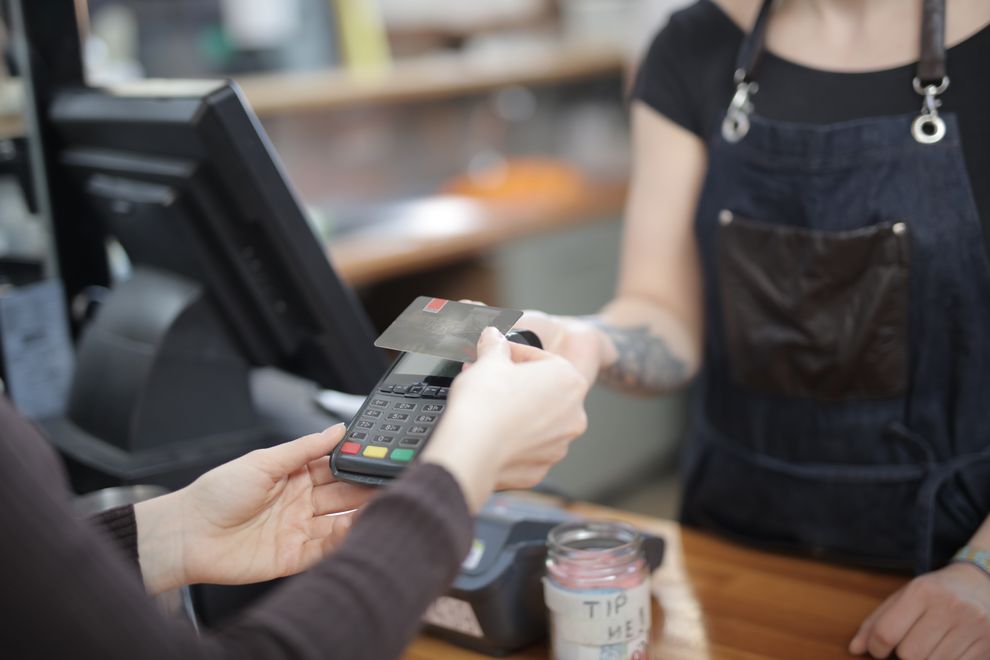
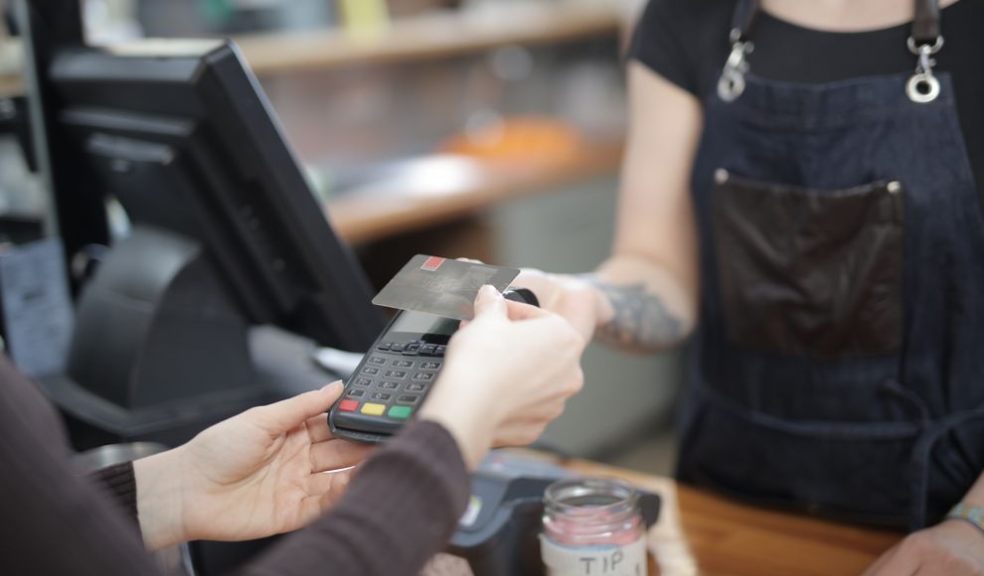
Most people pay and go without a second thought. But the payment moment is the final interaction a customer has with your shop, and it's the bit they walk away with. With 62% of all UK card payments made contactlessly in 2024, according to UK Finance, that tap on the terminal is often the last physical thing a person does before heading out the door. Mobile wallets are now part of that habit too, with over half of UK adults using them at least once a month in 2024.
A tired, mismatched terminal sends a quiet signal that the care stopped at the till. It's a small detail, but small details add up. When everything else in the room has been considered and the card machine hasn't, customers notice on some level even if they can't name it.
That's why a growing number of independents are treating the terminal as part of the shop, not as a piece of back-office kit that happens to live on the counter.
How Owners Are Personalising Their Terminals
The good news is that modern devices give you more control than the old bank-supplied boxes ever did. This shift is part of a wider move away from traditional banking infrastructure, with more businesses choosing tools built around their needs rather than settling for whatever their bank provides. Owners are now matching the look of their payment hardware to their interiors the same way they'd pick a paint colour or a counter top.
Some terminals such as the popular Zeller card machine let owners set their own logos and screen styles, which is a clear example of where the trend is heading. There are a few simple ways shops are doing this:
- Custom screensavers that show the shop logo or a seasonal design when the terminal is idle.
- Branded receipt and payment screens so the colours match the rest of the brand.
- Hardware in a colour that suits the space, like a black terminal in a moody cocktail bar or a clean white one in a bright salon.
None of this changes how the payment works. It just makes the device feel like it belongs, instead of looking like something borrowed.
Why This Matters for Cafes, Salons and Boutiques
For a small independent, brand is built from lots of tiny choices rather than one big advertising budget. A florist who has picked every ribbon by hand will care that the card machine doesn't clash with the counter. A barber who has spent money on the right chairs will want the terminal to match the room.
These businesses live or die on repeat customers and word of mouth, so the experience has to hold together from the door to the door. The payment terminal sits right at the end of that experience, which makes it worth a few minutes of thought. You don't need to redesign anything to get the benefit, you just need to use what the device already offers.
It also helps staff. A terminal that shows your branding feels like part of the team's setup, and it quietly reinforces the shop's identity every time someone pays.
Sometimes It Pays to Sweat the Small Stuff
The card machine has gone from a dull necessity to something customers actually see and interact with at the most memorable moment of their visit. For independents who already sweat the small stuff, ignoring it is a missed chance.
Give the terminal the same attention you'd give your signage or your counter, and you'll round off the customer experience properly instead of letting it trail away at the till.