








What's Really Driving Exeter's Business Park Boom?
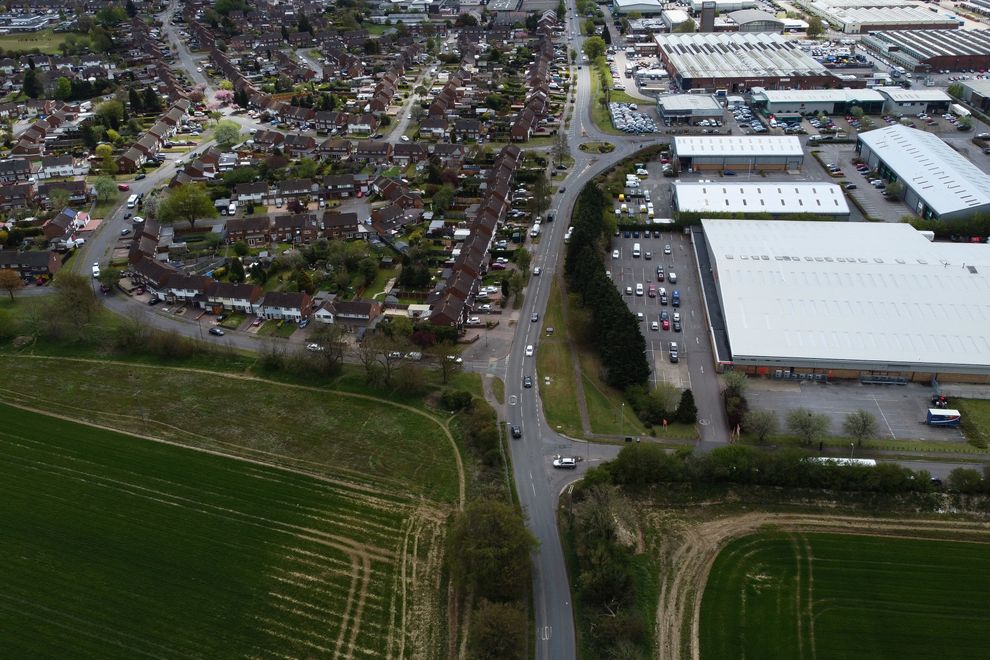
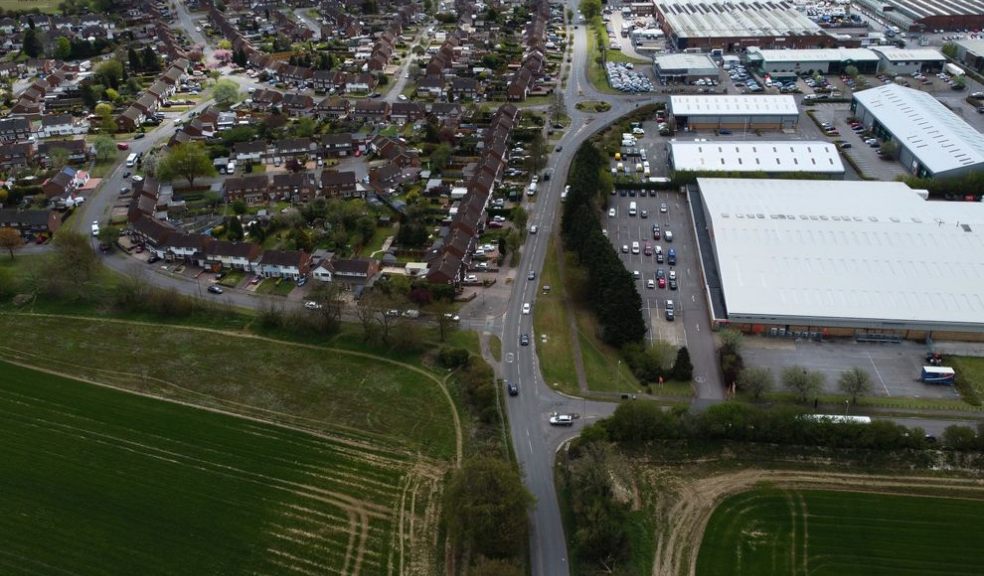
Exeter's eastern fringe has quietly become one of the busiest commercial construction zones in the South West. New units are rising at pace, occupiers are signing leases before the paint dries, and local planners talk openly about a corridor stretching from the M5 to the airport that now rivals anything seen in Bristol or Bath. This is not a coincidence. It reflects years of deliberate policy, funding and sector targeting.
Understanding why businesses keep choosing Devon over other regions requires looking past the cranes and into the paperwork behind them.
Exeter's Business Park Expansion Explained
Four major business parks now sit within the Exeter and East Devon Enterprise Zone, each benefiting from simplified planning routes and infrastructure already laid before tenants arrive. Skypark, Exeter Science Park and their neighbours have attracted everything from logistics giants to construction consultancies, all drawn by proximity to Junction 29 of the M5 and Exeter Airport. The tenant mix is broader than many expect, spanning manufacturing, health technology and digital services aimed at consumers across the UK.
That digital breadth reflects how varied modern office tenants have become. Fintech firms process payments and handle compliance from business park offices far removed from traditional financial districts. SaaS companies serving national consumer markets operate from Exeter with no need for a London presence. Sports betting platforms operate under the same distributed model — betting sites not on gamstop with flexible account access and a broad range of sports markets show how far digital consumer platforms have evolved from the traditional warehouse image of a business park.
Infrastructure Investment Behind The Growth
None of this expansion happens without money spent on roads, utilities and drainage long before a single unit is let. Devon County Council's own figures show the scale involved, with council infrastructure funding data confirming tens of millions of pounds in developer contributions retained for future schemes after the 2023/24 financial year alone. That funding underpins everything from access roads to public realm improvements across the enterprise zone.
The enterprise zone itself has already absorbed more than £100 million in infrastructure spending, delivered specifically to support clean-growth business activity. Transport planning has kept pace too, with the regional Local Transport Plan explicitly prioritising sustainable access to Exeter Airport and the business park land beside it, signalling that officials view transport connectivity as inseparable from commercial success.
Which Industries Are Choosing Devon
Exeter Science Park has emerged as the clearest evidence of sector targeting in action. It now supports around 750 jobs and generates more than £50 million in Gross Value Added annually, according to figures released alongside Morgan Sindall's regional headquarters announcement, which confirmed the construction firm would relocate staff into the park's Ada Lovelace Building. That single decision illustrates a wider pattern: established companies are choosing to embed themselves inside innovation clusters rather than simply lease nearby space.
Life sciences and digital health firms have followed a similar path, with several citing rising demand for specialist facilities as their reason for expanding locally rather than relocating elsewhere. Construction, logistics and advanced manufacturing round out the picture, giving the corridor a genuinely mixed economic base rather than reliance on a single sector.
What This Means For Local Employment
For residents across Devon, the practical impact is straightforward: more local jobs, closer to home, across a wider range of skill levels than the region has traditionally offered. Ambitions set out for Exeter Science Park alone include supporting thousands of additional roles over the coming decade, backed by a substantial next-phase investment drive outlined in recent growth strategy documents. Housebuilders and contractors moving regional teams into the area only add to that momentum.
Whether this pace continues depends on planning capacity keeping up with demand, but the direction of travel looks settled. Exeter's business parks are no longer peripheral to the city's economy; they are becoming central to it, reshaping where people work and how the wider county positions itself within the South West's commercial landscape.