








What New Horse Owners Should Know Before Their First Winter
The first frosty yard morning can feel like a shock: frozen taps, a rug hanging sideways, and a horse who has found the deepest patch of mud before breakfast. Winter care isn’t about buying every product in the tack shop. It’s about spotting small problems early.
Start With Forage, Water and Body Condition
By December, many horses are getting far less from the field than they were in early autumn. A thick coat can hide a dropped topline or ribs becoming too easy to feel, so run your hands over the shoulders, ribs and quarters once or twice a week. Buckets and troughs can ice over too, so check water before turnout and again at evening stables.
Before changing hard feed or adding equine supplements, look at the whole picture: workload, age, grazing, forage quality, teeth, worming history and any advice from your vet or nutritionist. A pony on good hay and light hacking may need little extra, while an older horse may need closer support.
Mud, Turnout and the Field Gate Problem
Around Exeter and across Devon, winter often means rain before it means snow. Gateways churn up, tracks become slippery, and that “quick turnout” can turn into wet rugs, lost shoes and sore heels.
A few yard habits make a noticeable difference:
- Move hay piles, water buckets and licks so horses don’t stand in one poached patch.
- Pick out feet daily, especially after muddy turnout.
- Check lower legs for heat, swelling, scabs or broken skin.
- Keep a spare dry headcollar and lead rope somewhere easy to grab.
If your field floods, holds clay-heavy mud or relies on one busy entrance, small choices around where horses stand, eat and walk in wet weather can stop the gateway becoming unusable by January.
Stable Time Still Needs Movement
If your horse comes in more often, the stable cannot become a waiting room. Split forage into more than one place, use small-holed haynets if they suit your horse, and allow safe contact with neighbours where the yard allows it.
Rugs Are Not a Measure of Good Ownership
It’s tempting to rug because you feel cold, but horses do not read the weather like humans do. A native pony with a thick coat, shelter and forage may be happier unrugged than sweating under a heavy turnout. A clipped horse, an older horse or a poor doer may need more help.
Try to make changes to turnout, stabling, feeding and exercise steadily where possible, rather than all at once on the first bad week.
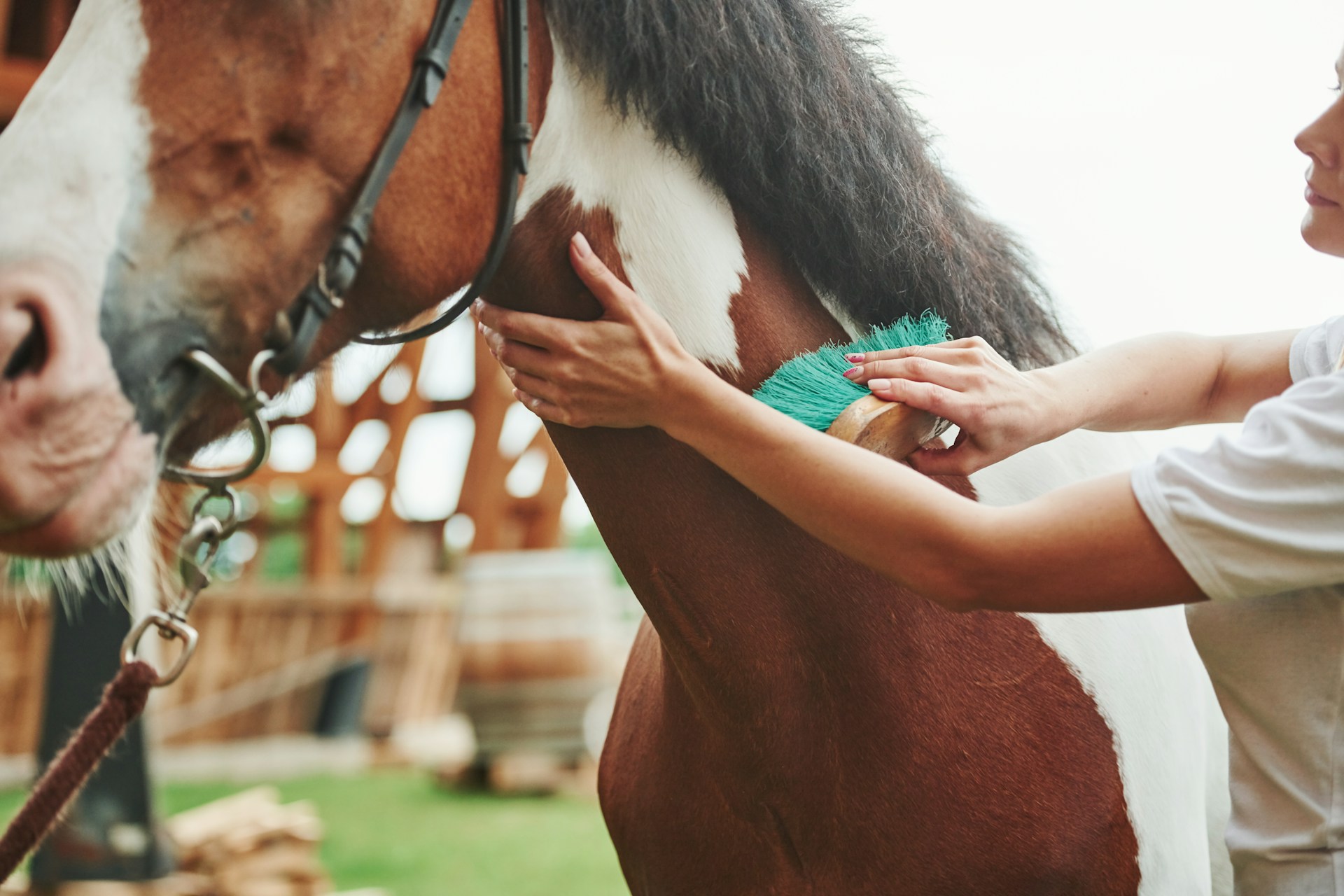
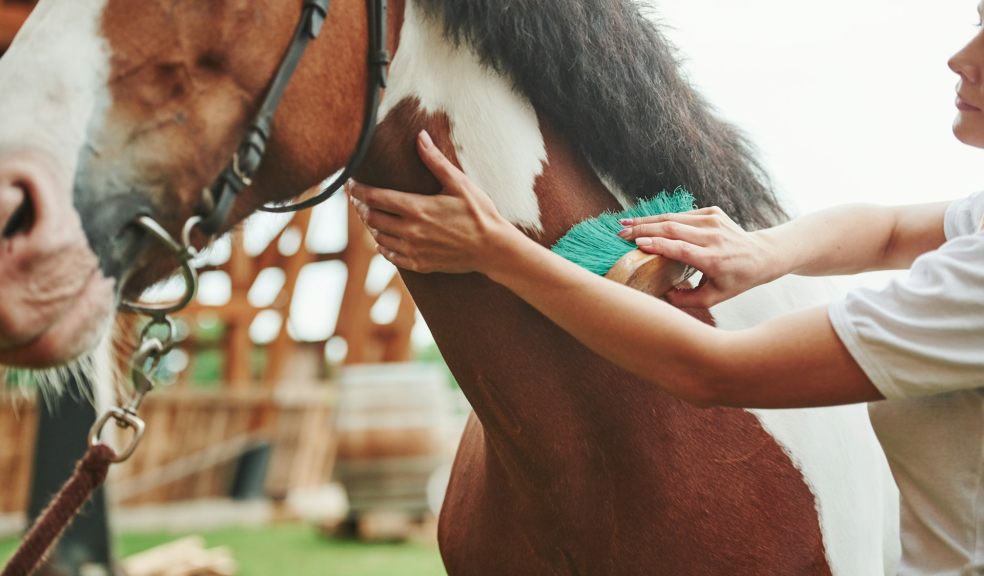
Rugs: remove them daily to check shoulders, withers and chest for rubs. Exercise: dry a sweaty coat before turning out or stabling. Visibility: on dark lanes, use reflective gear on horse and rider.
Book the Boring Jobs Early
Farrier visits, dental checks, vaccinations and worming plans are easier to keep on track before winter routines become stretched. Ask your yard owner where to store extra forage, and what happens if lanes flood or freeze.
Keep a small winter kit close by: torch, gloves, hoof pick, thermometer, clean towels, salt, first-aid kit and contact numbers for your vet, farrier and yard owner.
On wet mornings, everything takes longer than planned. Keep notes, trust daily checks over guesswork, and ask for help early when something looks wrong.