








Not Just for Sight: How Are Contact Lenses Innovating Technology and Style in Unexpected Ways?
For a long time, contact lenses were viewed as a simple alternative to glasses. They corrected vision, stayed discreet, and rarely invited much discussion beyond comfort or prescription strength. That perception is changing.
Modern contact lenses now sit at the intersection of healthcare, design, and emerging technology. Advances in materials, customization, and visual performance are pushing lenses beyond basic correction. They are influencing how people express themselves, manage eye health, and even interact with their environment.
What was once purely functional has become surprisingly versatile.
Why are contact lenses evolving beyond basic vision correction?
The shift begins with changing expectations. People no longer want products that serve a single purpose. They want flexibility, comfort, and personalization, even in medical or optical devices.
Contact lenses are uniquely positioned to evolve because they sit directly on the eye. That proximity allows innovation in areas such as:
- Material science
- Visual enhancement
- Cosmetic expression
- Smart health monitoring
As a result, lenses are no longer designed solely to correct vision, but to enhance the experience.
How are contact lenses becoming tools for self-expression?
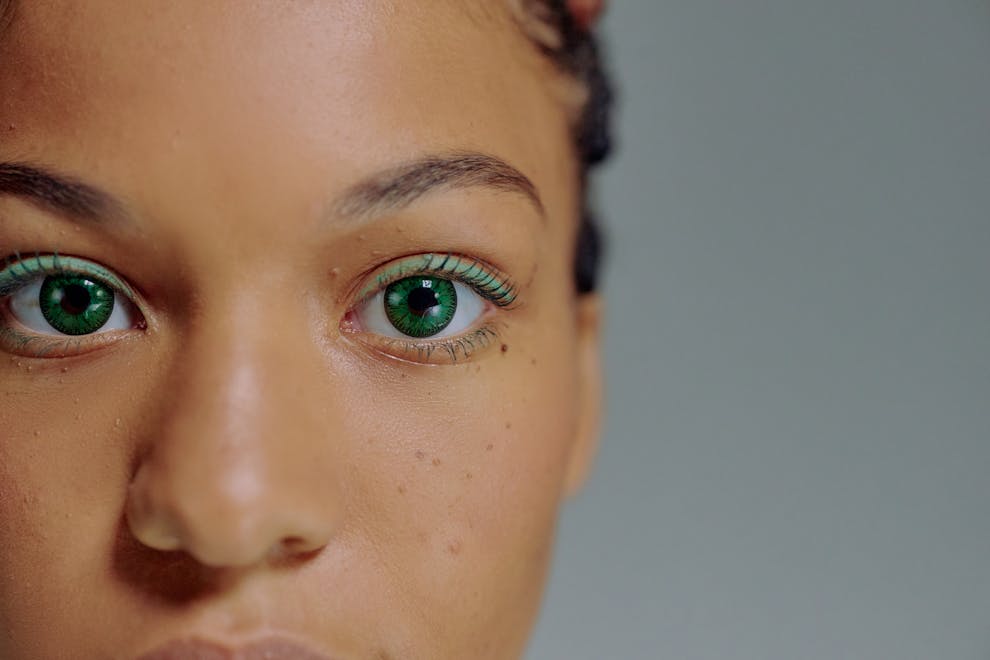
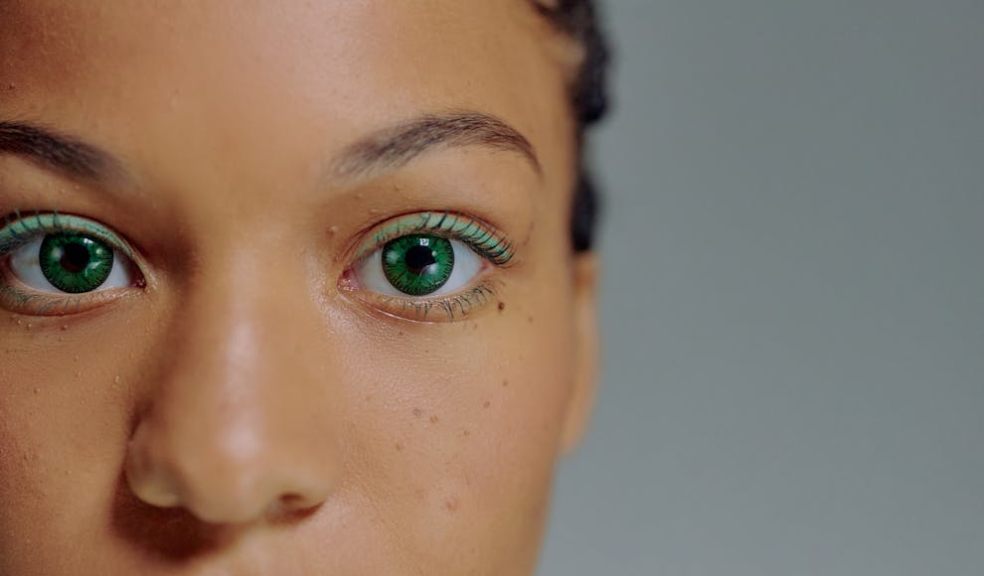
One of the most visible changes in contact lens innovation is aesthetic customization. Lenses are now designed to alter or enhance appearance in subtle or dramatic ways.
Cosmetic lenses are no longer limited to novelty. They are used for fashion, performance, and creative expression.
Examples include:
- Natural color enhancements that brighten or deepen eye tone
- Theatrical lenses used for costume, film, or events
- Bold designs that support creative styling
For instance, Halloween contact lenses are often associated with costumes, but they also reflect the significant progress in lens design, particularly in terms of color layering, comfort, and safety standards. What was once rigid and uncomfortable is now engineered for wearability and visual clarity.
This aesthetic flexibility has helped contact lenses move into lifestyle spaces once dominated by accessories and makeup.
Can contact lenses enhance visual performance beyond clarity?
Vision is not only about sharpness. Contrast, depth perception, and light management all play important roles in how people see the world. Modern lenses now address these factors through specialized designs.
Innovations include:
- Lenses that enhance contrast in low-light conditions
- Tints that reduce glare or visual fatigue
- Designs that improve depth perception for specific activities
Athletes, drivers, and people who spend long hours outdoors often benefit from these features. Instead of adding external gear, performance improvements happen directly at the visual level.
How is material innovation improving comfort and wearability?
Comfort has always been a barrier for some contact lens users. Dryness, irritation, and fatigue were common complaints in earlier generations. Material science has dramatically changed that experience.
Modern lenses often feature:
- Higher oxygen permeability to support eye health
- Moisture-retaining compounds that reduce dryness
- Softer, more flexible structures that adapt to the eye
These improvements allow longer, more comfortable wear and reduce the adjustment period for new users. As comfort increases, adoption grows, opening the door for further innovation.
Are contact lenses becoming part of health monitoring technology?
Beyond comfort and style, contact lenses are being explored as health tools. Researchers are developing lenses capable of tracking biological markers through tear fluid. While many of these applications are still emerging, the potential is significant.
Areas under exploration include:
- Monitoring glucose levels for people with diabetes
- Tracking hydration levels
- Measuring eye pressure for glaucoma management
These developments position contact lenses as passive health devices that work without disrupting daily routines. Instead of adding more wearables, lenses integrate seamlessly into what people already use.
How are lenses adapting to digital lifestyles?
Digital screens dominate modern life. Extended screen use contributes to eye strain, dryness, and visual fatigue. Contact lenses are now being designed with this reality in mind.
Some lenses address:
- Reduced blink rates during screen use
- Blue light exposure from digital devices
- Visual strain during long workdays
By supporting the eyes in digital environments, lenses adapt to how people actually live and work, rather than expecting users to change habits.
Why does personalization matter more than ever?
Personalization has become a defining trend across industries. Contact lenses are no exception. Today’s lens options can be tailored based on lifestyle and daily activities, environmental conditions, and visual demands beyond standard correction.
This approach recognizes that vision needs are not universal. A commuter, an athlete, and a creative professional may all require different visual support, even with the same prescription.
How is the perception of contact lenses changing?
As lenses expand into fashion, health, and performance, they are no longer seen as invisible tools. They are becoming intentional choices.
This shift changes how people engage with eye care. Instead of viewing lenses as a medical necessity, users begin to see them as adaptable solutions that align with personal goals and preferences.
That change in perception encourages innovation, education, and more thoughtful design.
What does the future hold for contact lens innovation?
The future of contact lenses points toward integration rather than replacement. Lenses are not trying to replace glasses or other wearables. They are evolving alongside them.
Expected directions include:
- More advanced smart lens technology
- Greater focus on long-term eye health
- Expanded design options without compromising safety
As technology progresses, the line between medical devices and lifestyle products will continue to blur.
Conclusion
Contact lenses are no longer just about seeing clearly. They reflect broader shifts in how people interact with technology, health, and self-expression.
From visual performance and comfort to creative design and health monitoring, lenses are quietly transforming. Their evolution shows how even the most familiar products can take on unexpected roles when innovation meets real-world needs.
What once served a single function now supports many, and that transformation is only beginning.