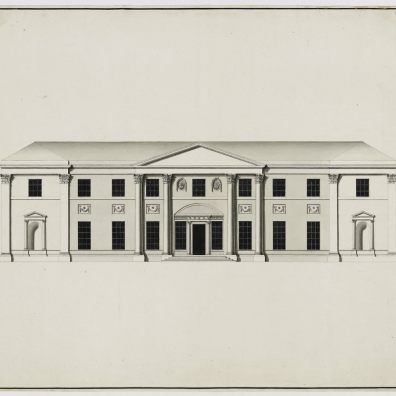
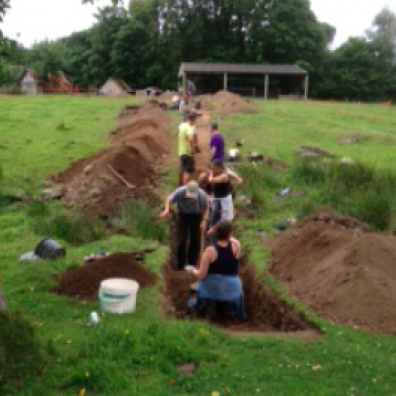
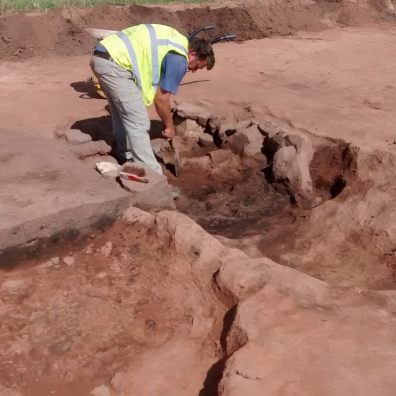
Archaeologists working with the National Trust’s Killerton estate believe they may have found the location of the lost Killerton mansion that was started in 1775, but never completed. The lost house was re-discovered almost by accident. Rumours of the mansion, three times bigger than the surviving building at Killerton and more befitting of the Acland family’s wealth and status, have circulated for many years - but no-one has been able to find where the building work was located. All that has remained of the mansion are designs by renowned architect, James Wyatt, a few surviving records...
Communities in Devon and Cornwall will be able to research the history of Roman, Iron Age and medieval settlements in the region by helping experts on a major archaeological dig and associated surveys this year.
Thanks to money raised by National Lottery players, the University of Exeter has been awarded initial support from the Heritage Lottery Fund (HLF) for a £222,500 grant and development funding of £38,500.
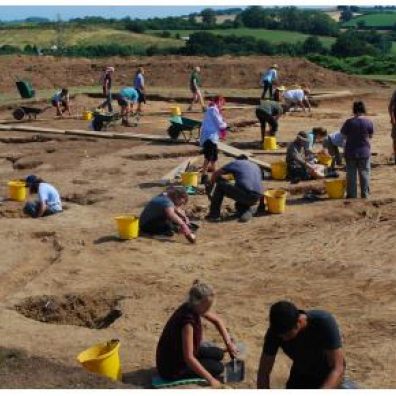
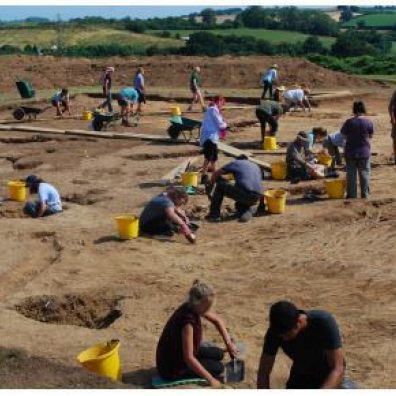
A series of projects will allow people to take part in an excavation near Ipplepen in South Devon this June. They will also have the opportunity to take part in...
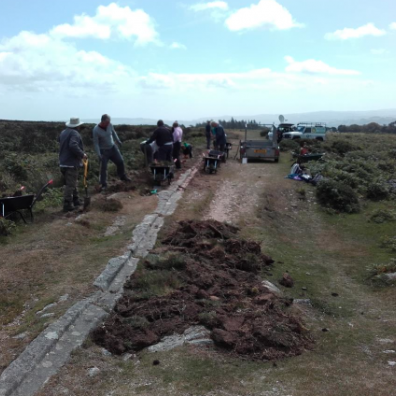
Join Dartmoor National Park Ranger Simon Lee on Sunday 10 July as he leads a team of volunteers to continue working on the popular Templer Way walking route near Haytor. The day runs from 10:30 until 3:30 and starts at the National Park Visitor Centre, Haytor.
The Templer Way follows the route by which granite was taken from the quarries in the Haytor area during the 1800s on an 18 mile journey toTeignmouth on the south coast.
A granite tramway was used to transport the stone down to Stover Canal from where it was shipped down to the docks at Teignmouth. Large parts of the...
A team of archaeologists, students and local volunteers have unearthed evidence of a Romano-British settlement in a rural Devon village.
The finds shed new light on how the county’s inhabitants lived during the Roman period. Until now little evidence of the Romans had been found outside of Exeter and it had been thought that rural areas had not been particularly affected by Roman influence.
Now the discoveries at Ipplepen, which is 20 miles south west and at least a good day’s walk away from Exeter, is causing archaeologists to re-think assumptions previously made about...
From Monday 27 June until Saturday 2 July 2016 archaeologists will be returning to the site of North Hall Manor in Widecombe-in-the-Moor to continue investigations into this intriguing site.
This will be the third season of excavation. The first phase in 2012 targeted the medieval manor site and revealed wall footings, boundary works and pottery that strongly suggest a high status medieval building once stood in the area.
The excavation this year will continue to investigate some of the features unearthed in previous digs with the hope of finding out more about their age...
Budding archaeologists will have the opportunity to help unearth Devon's Roman past on a University of Exeter excavation this summer.
Members of the local community are invited to apply for one of 20 places available at the dig in Ipplepen, which takes places from Monday 6th June to Friday 1st July.
The site was originally discovered by metal detectorists Jim Wills and Dennis Hewings, who reported their finds to the Portable Antiquities Scheme.
Since then, the project has gone from strength to strength and excavations have unearthed many important archaeological...
Secrets from Exeter’s hidden past will be uncovered in a major new archaeology project.
Lead by experts from the University of Exeter, the latest technology will be applied to RAMM’s collections to reveal where the city’s food and ceramics came from during 1st to the 16th centuries. The four-year study will show the extent of trading networks throughout the period and Exeter’s changing role within the region.
Project leader Professor Stephen Rippon, Professor of Landscape Archaeology at the University of Exeter, said: “There was a huge amount of excavation in Exeter in the...
Join Dartmoor National Park Ranger Ella Briens and Archaeologist Andy Crabb on Sunday 28 February 2016 as they lead a party of volunteers to uncover the remains of the Crazy Well farmstead.
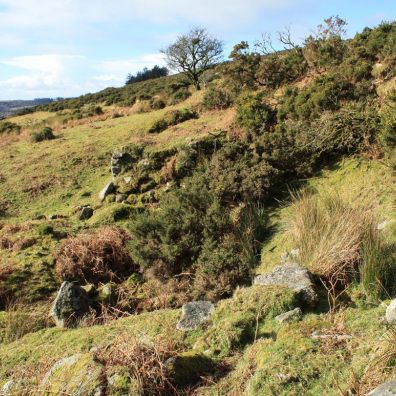
They will be removing gorse with hand tools to expose the farmstead features which have become overgrown. The farmstead is in a splendid location south of Crazy Well Pool, within the Burrator reservoir catchment.
The site contains the ruins of a two roomed building, set within a small enclosure in the outer fields of “Classywell.” It is possible that the building was originally a “...
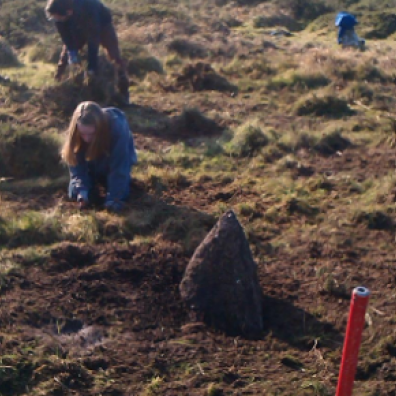
Dartmoor National Park archaeologists are looking for volunteers to help complete the conservation of prehistoric stone rows near South Brent on 6 December 2015. Join others with an interest in Dartmoor’s archaeology, working with Rangers in a stunning moorland setting at Glasscombe Corner.
Dartmoor’s landscape is among the richest in western Europe in terms of its prehistoric archaeological remains. Dartmoor contains the longest stone row in the world and has the greatest number of archaeological sites out of all the UK National Parks. In fact 60% of all stone rows to be found in...
Excavations being carried out at Tithebarn Green, Redhayes, near Exeter are revealing a complex ancient landscape with occupation dating from the Neolithic through to the Medieval period.
The Bronze Age Pin Brook enclosure, located at the northern end of the Tithebarn Green site has been particularly interesting.
The enclosure may have been built to adapt a Neolithic causewayed enclosure and there is evidence of ongoing use of the site in the late Roman and/or post Roman British or Anglo-Saxon periods. There is also evidence of the post-medieval enclosure of the landscape...