








Fosterer volunteers urgently needed to look after trainee guide dogs in Exeter
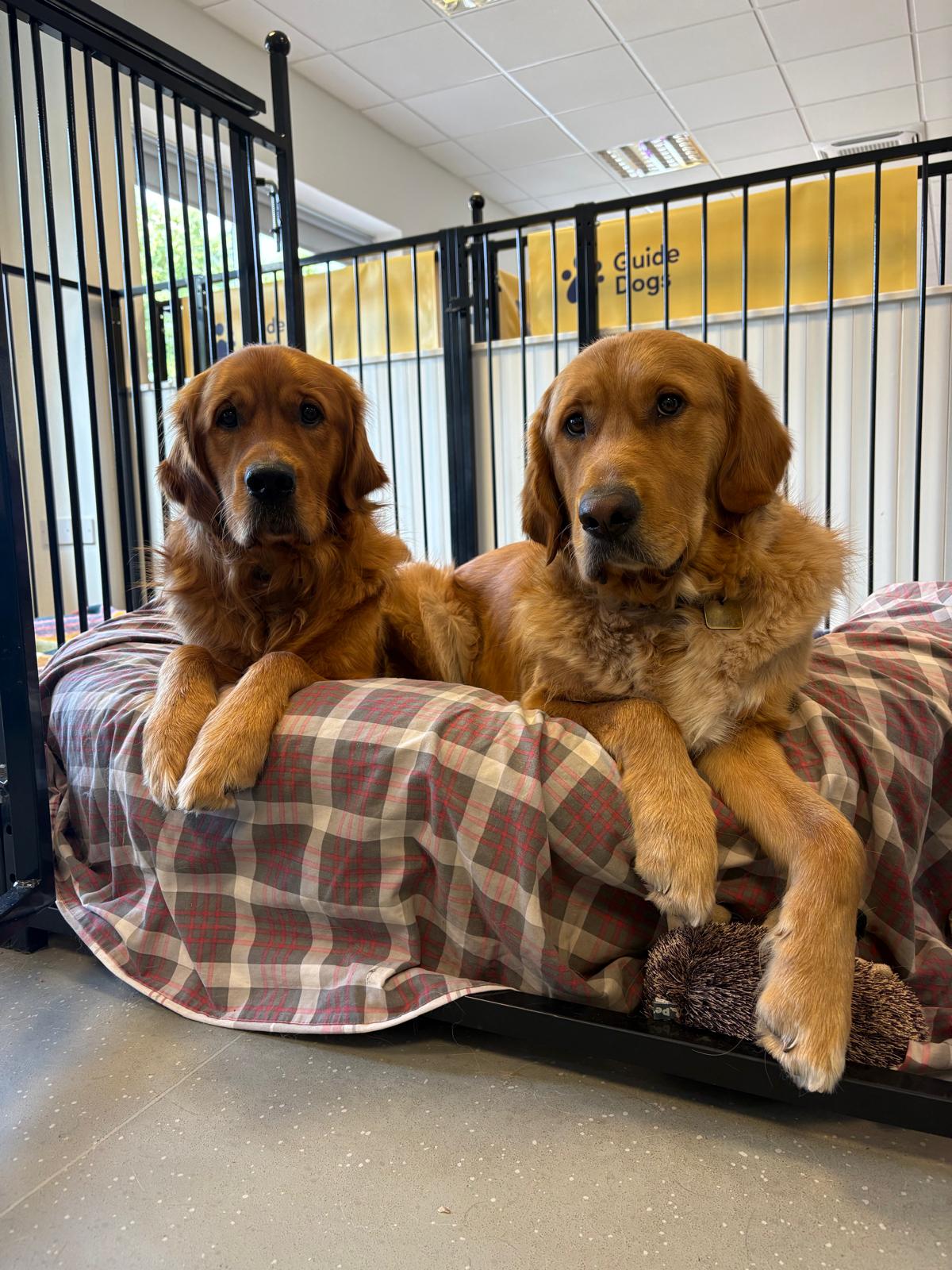
Guide Dogs in Exeter is searching for new volunteer fosterers, as the charity’s training centre in Marsh Barton prepares to train up more life-changing guide dogs.
An investment in staff has contributed to the growing number of dogs that can be trained, with the team currently training 27 dogs – the highest number in over six years.
The increase marks an important step forward in helping people with sight loss across the South West gain greater independence and confidence through guide dog partnerships.
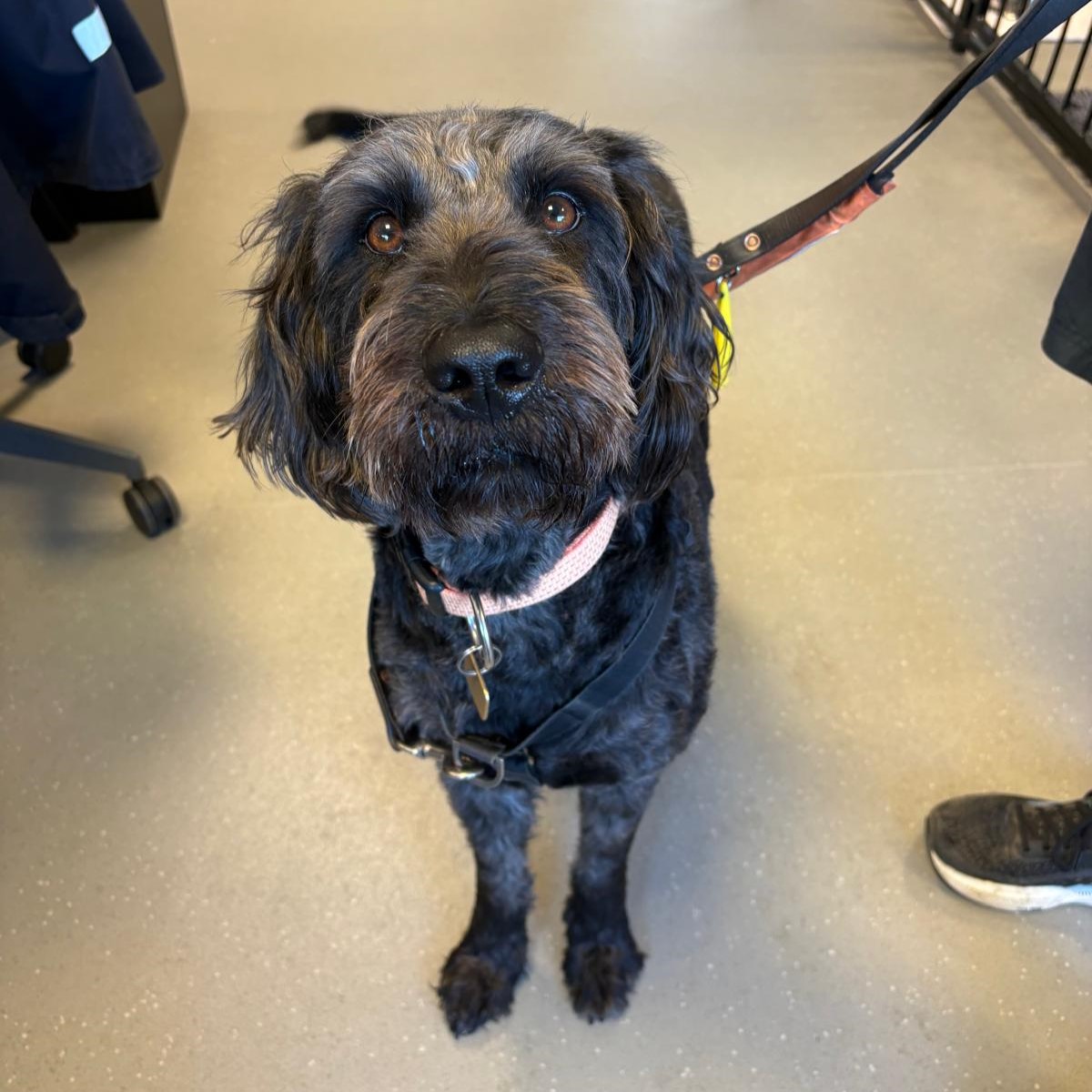
During the day, dogs work with their trainers to learn essential skills including navigating busy streets and avoiding obstacles, but the rise in numbers means more local fosterers are needed to provide loving homes in the evenings and at weekends.
Kate Lewis, Guide Dog Partnership Operations Manager for Exeter, said: “We are so grateful to our volunteer fosterers who open their homes and hearts to our dogs whilst they complete their training.
"We are currently searching for ten more fosterers who can care for one of our trainee dogs for around three to six months, as well as five more households to provide short-term care when needed.
“Just like the school run, dogs need to be dropped off at our training site Monday to Friday. The dog will then spend time with you in the evenings and at weekends, enjoying time out from training sessions.”
A guide dog begins its formal training at around 14-18 months old, and, in usual circumstances, most dogs qualify as working guide dogs by the age of two.
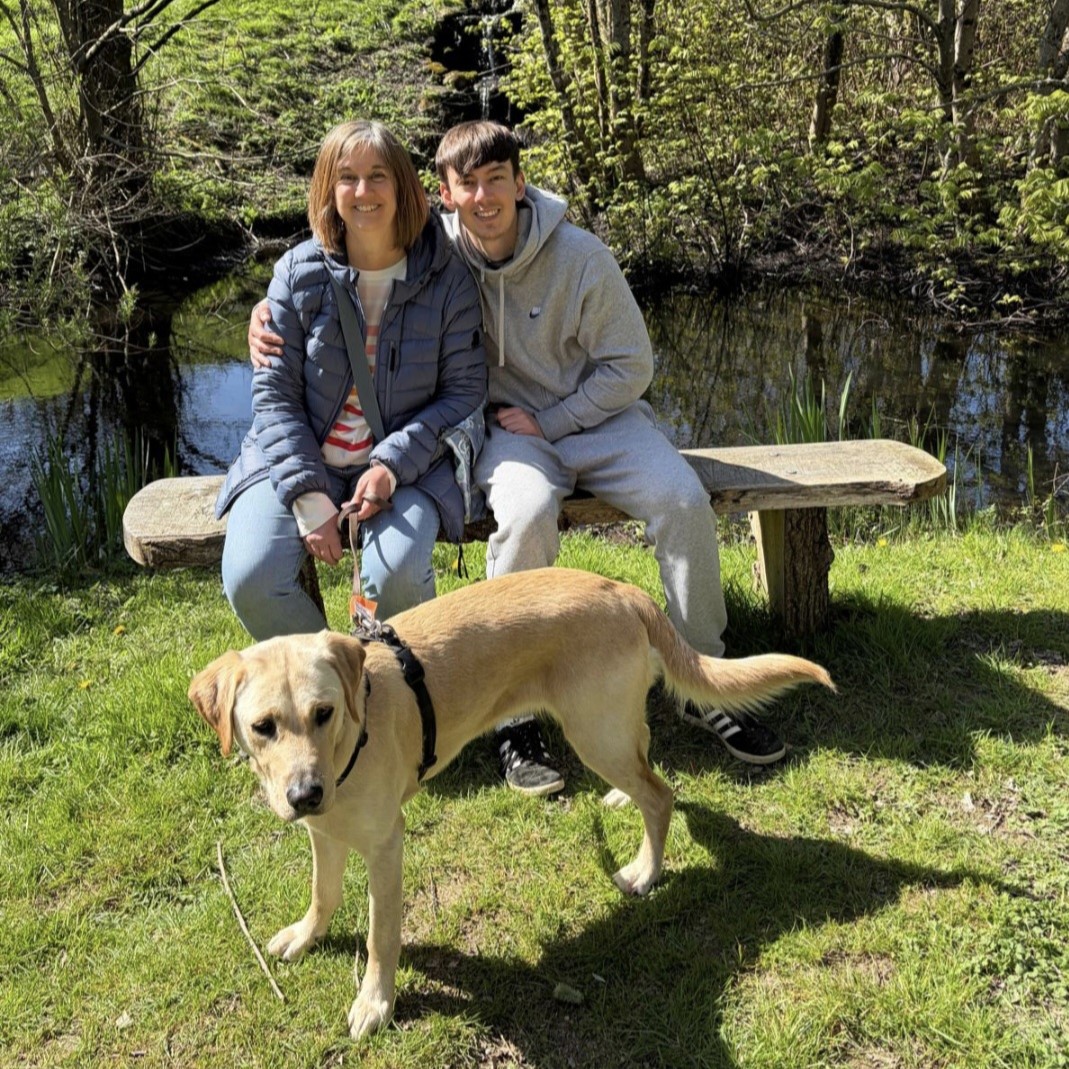
Liese Connolly (pictured below) is currently fostering her fifth guide dog in training, a Labrador cross golden retriever called Agatha.
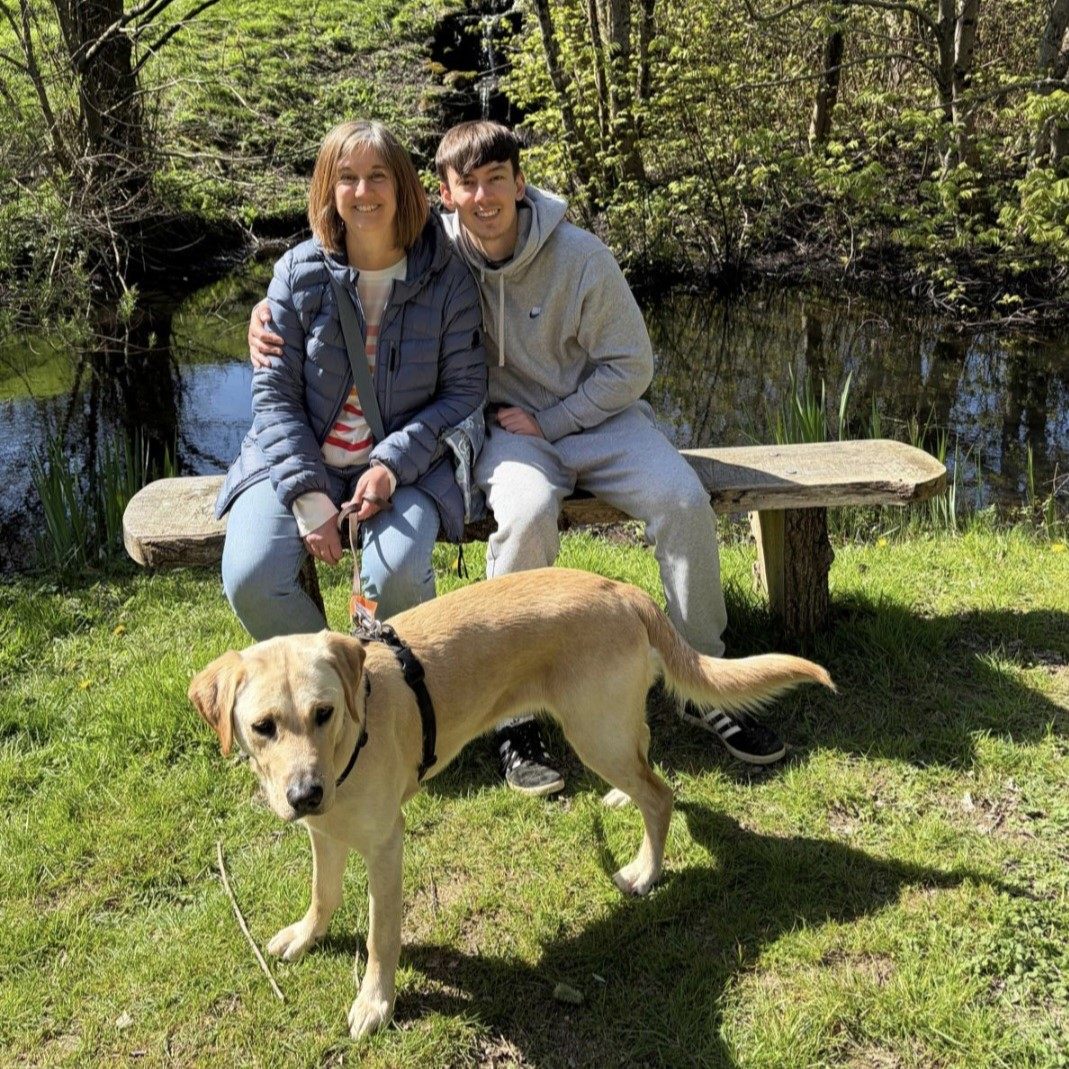
Liese said: “We’re a doggy family but after the sadness of losing our pet golden retriever, we decided we didn’t want another dog of our own.
“Being a fosterer is a massive win for us. They become a real part of the family, even though it’s for a short period.
"We love taking Agatha out to places at the weekend, playing with her, and going to the beach or the forest so she can enjoy an off-lead run in the evenings. There are so many benefits - it’s flexible, we’re less stressed, and we do more exercise.
"We also enjoy meeting other fosterers and the Exeter staff – it’s a really friendly and supportive community.
"I always say we get the fun part of the journey, and it makes you feel so proud when your dog goes on to change someone’s life.”
Training dog fosterers need to live within 12 miles of Exeter, and respite fosterers within five miles.
Guide Dogs covers the cost of all the food, veterinary care and equipment required for each dog and provides full training and support.
To find out more about providing a temporary, loving home for a trainee guide dog, please visit: www.guidedogs.org.uk/how-you-can-help/volunteering/volunteer-with-our-dogs/fosterer