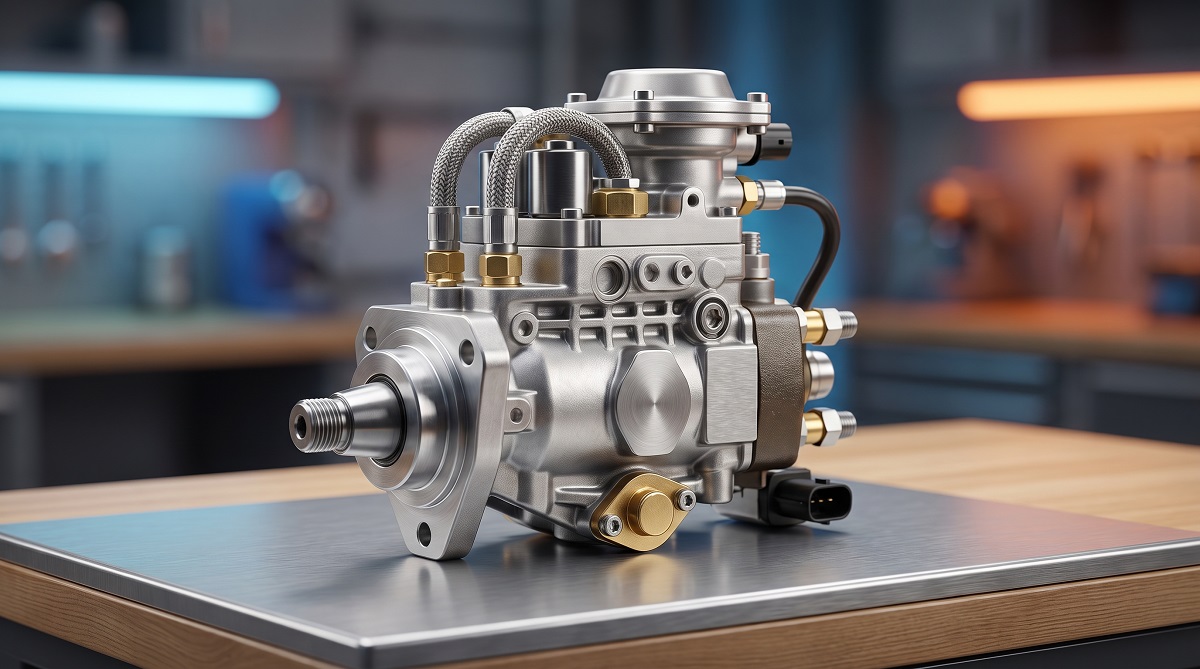









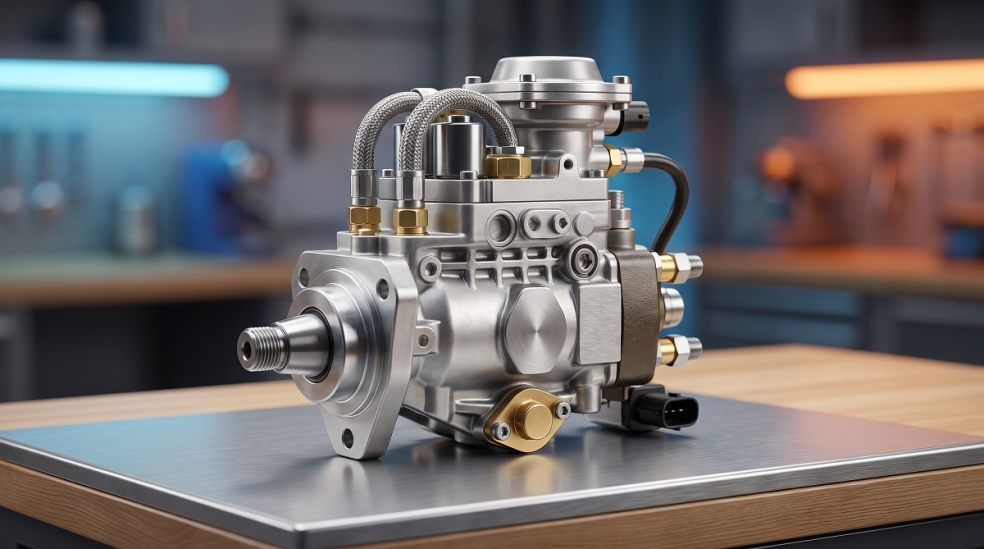
Diesel Injector Pump: What Every Vehicle Owner Should Know Before Replacing or Rebuilding
The diesel injector pump is one of the most critical components in any diesel-powered vehicle or piece of equipment. It governs fuel delivery with precision, ensuring that the right amount of fuel reaches each cylinder at exactly the right moment. When this component begins to fail, the consequences ripple through the entire engine system — from sluggish performance and black smoke to complete engine shutdown. Understanding how this pump works, what causes it to fail, and how to source a reliable replacement can save vehicle owners significant time, money, and frustration.
How the Diesel Injector Pump Functions
Unlike gasoline engines that rely on spark ignition, diesel engines depend entirely on compression and precise fuel delivery. The injector pump draws fuel from the tank, pressurizes it to extremely high levels, and delivers it to the injectors in a timed sequence that matches the engine's firing order. This process must be accurate to within milliseconds — any deviation in timing or pressure can cause misfires, excessive fuel consumption, or catastrophic engine damage.
There are several types of diesel injection pumps, including inline pumps, rotary (distributor) pumps, and common rail systems. Each design has its own strengths and is suited to different engine configurations. Inline pumps are commonly found in heavy-duty trucks and agricultural machinery, while rotary pumps are more prevalent in light commercial vehicles. Common rail systems represent the modern standard, offering superior fuel atomization and efficiency.
Signs That Your Diesel Injection Pump Is Failing
Recognizing the early warning signs of a failing injection pump can prevent a minor issue from becoming a major repair bill. The most common symptoms include difficulty starting the engine, especially in cold weather; a noticeable drop in power during acceleration; rough idling or engine surging; excessive black or white smoke from the exhaust; and unusual knocking sounds from the engine bay. In some cases, the engine may stall unexpectedly or refuse to start altogether.
Fuel contamination is one of the leading causes of pump failure. Water in the fuel, poor-quality diesel, or the use of biodiesel blends beyond the manufacturer's specification can all degrade internal pump components over time. Worn seals, damaged plungers, and corroded delivery valves are typical findings when a failed pump is disassembled for inspection.
New, Used, or Rebuilt: Choosing the Right Replacement
When the time comes to replace a diesel injector pump, vehicle owners face an important decision: should they purchase a brand-new unit, a used one, or a professionally rebuilt pump? Each option carries its own trade-offs in terms of cost, reliability, and availability.
A new pump offers the highest level of reliability and typically comes with a manufacturer's warranty, but the cost can be prohibitive — particularly for older vehicles where the pump may no longer be in production. Used pumps sourced from salvage yards can be a cost-effective solution, but without proper testing and documentation, there is no guarantee of remaining service life. Rebuilt pumps, when done by a reputable specialist, often represent the best balance of value and reliability. A properly rebuilt pump is disassembled, cleaned, inspected, and fitted with new internal components before being tested to original specifications.
The Growing Shift Away from Diesel: What It Means for Parts Availability
The automotive and commercial transport industries are undergoing a significant transition. Across Europe and North America, regulatory pressure is accelerating the move toward electric and hybrid powertrains. This shift has important implications for diesel vehicle owners, particularly those who rely on older fleets. As manufacturers phase out diesel production, the availability of original equipment manufacturer (OEM) parts is expected to decline. For fleet operators and independent mechanics, this makes sourcing quality replacement components — including injection pumps — more important than ever. Initiatives like the Exeter centre enabling the switch from diesel engines highlight how communities and businesses are actively planning for this transition, though the reality is that diesel-powered vehicles will remain in service for many years to come.
Maintenance Practices That Extend Pump Life
Proactive maintenance is the most effective strategy for maximizing the lifespan of a diesel injection pump. Regularly replacing fuel filters is essential, as a clogged or dirty filter forces the pump to work harder and can introduce contaminants into the fuel system. Using high-quality diesel fuel from reputable suppliers reduces the risk of water contamination and microbial growth within the tank.
Fuel system additives and cleaners are another tool available to diesel vehicle owners. While they are not a substitute for mechanical repairs, certain products can help maintain injector cleanliness and reduce deposit buildup. According to research on fuel injector cleaners and their effectiveness, the results vary depending on the product and the condition of the fuel system, but regular use of quality additives in a well-maintained engine can contribute to consistent performance over time.
Why Sourcing Matters: The Case for Specialist Suppliers
Not all replacement injection pumps are created equal. The market is unfortunately flooded with low-quality aftermarket components that may fit correctly but fail prematurely due to inferior materials or inadequate quality control. For vehicle owners and fleet managers who depend on their equipment, this is an unacceptable risk. Working with a specialist supplier who stocks verified new, used, and rebuilt units — and who can provide technical guidance on compatibility — is the most reliable path forward.
When sourcing a diesel injector pump, it is essential to verify that the unit is compatible with your specific engine make, model, and year. A reputable supplier will have detailed cataloguing systems and knowledgeable staff who can cross-reference part numbers and confirm fitment before the component ships. This level of service is particularly valuable when dealing with older or less common engine configurations where documentation may be scarce.
Installation and Calibration Considerations
Even a high-quality replacement pump will underperform if it is not installed and calibrated correctly. Diesel injection pumps must be timed precisely to the engine, and this process typically requires specialized equipment and technical expertise. Attempting a DIY installation without the proper tools or knowledge can result in poor performance, increased emissions, or engine damage. For most vehicle owners, professional installation by a qualified diesel mechanic is strongly recommended.
Conclusion
The diesel injector pump is a component that demands respect. Its role in engine performance is fundamental, and its failure can bring operations to a standstill. Whether you are managing a single vehicle or an entire fleet, understanding the signs of pump failure, the options available for replacement, and the importance of sourcing from trusted suppliers will help you make informed decisions that protect your investment. As the diesel landscape continues to evolve, staying ahead of maintenance needs and building relationships with reliable parts specialists is more valuable than ever.