








Why Estuaries Are More Than a Scenic Weekend Spot
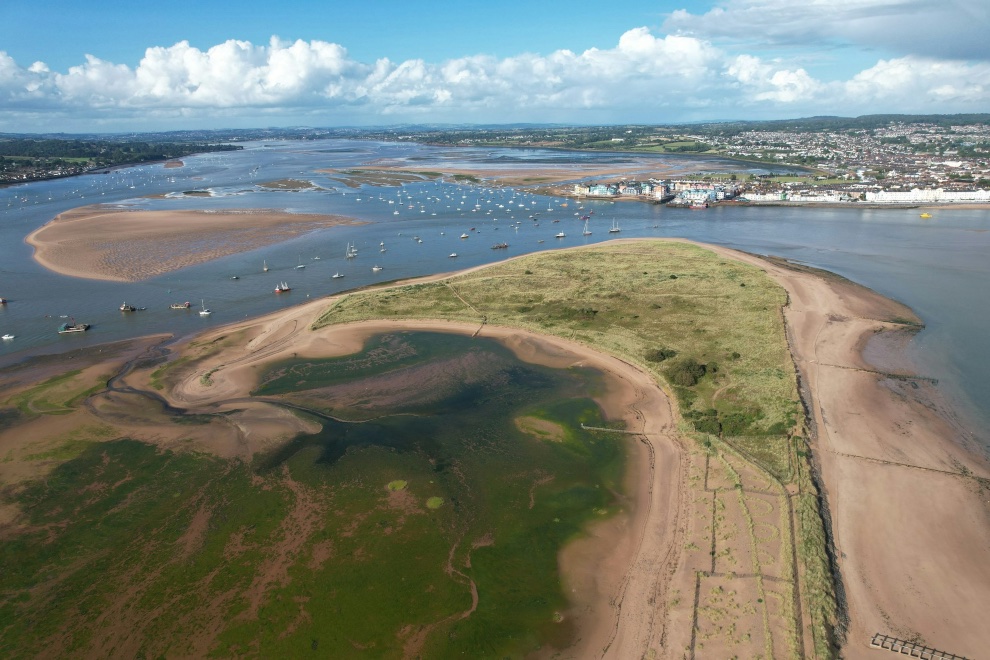
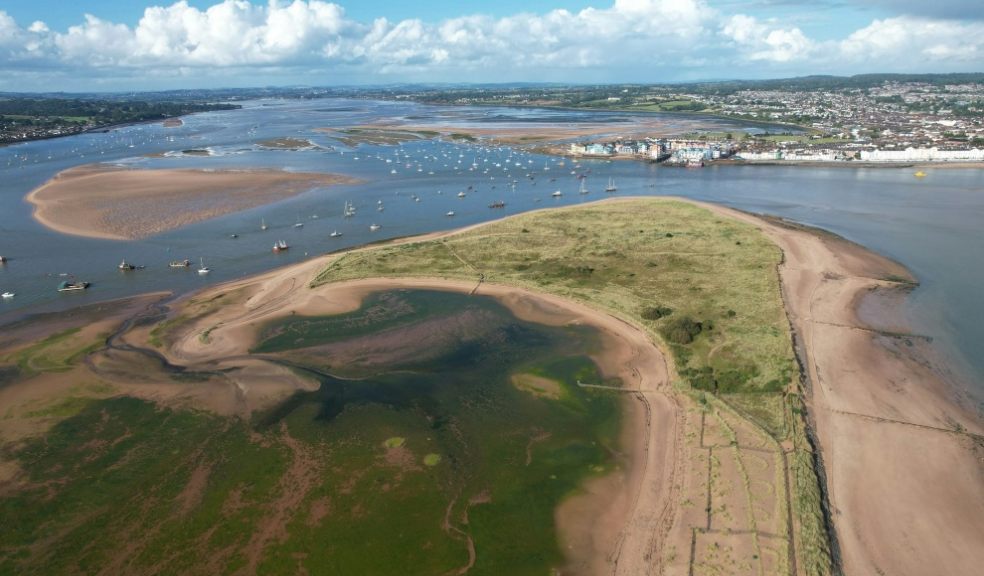
Estuaries are places where river water and seawater meet, creating working waterways as well as rich natural habitats. Around the South West, they are part of local life, with people walking beside them, sailing through them, watching birds on them and relying on them for access to the sea.
Their appeal is easy to understand, but the view is only one part of the story. An estuary is shaped by tides, mud, freshwater, saltwater, weather, boat traffic and the way people use the shore, so it needs care rather than casual use.
Wildlife depends on the edges
The mix of fresh and salt water creates conditions that many species use for feeding, shelter and breeding. Mudflats may look bare at low tide, but they hold worms, shellfish and other small creatures that support wading birds and fish. Saltmarsh plants also bind sediment, giving the edge of the water a different role from a normal beach or riverbank.
Young fish can find food and cover in shallow water, while migrating birds use mudflats and marshes to rest and feed. This is why estuaries act as nursery areas for young marine life and why disturbance, pollution or poorly managed access can affect wildlife beyond the immediate shoreline.
Safe water access relies on maintenance
Water access relies on landing points, moorings, pontoons, navigation marks and local knowledge of tide, depth and weather. These details are easy to miss when a harbour or quay feels organised, but regular checks and repairs help keep boats, crews and visitors using the water safely.
In busy coastal areas, marine services help small craft, visiting boats, harbour users and commercial work move without treating the estuary as an unmanaged space. Maintained landing points, reliable moorings, local boat operators and professional Mooring Services all form part of the working structure behind safe use of the water.
Visitors and boat users affect the place
Visitors don’t need specialist knowledge to use an estuary well, but they do need to pay attention. Tide times, marked routes, bird resting areas and local notices are there for a reason. Walking too close to feeding birds, taking dogs through sensitive marsh, or ignoring access signs can cause harm even when nobody intends it.
Boat users have their own responsibilities. Speed, wash, anchoring choices, noise and waste all affect other people and the habitat. Keeping to marked channels, checking local rules and handling rubbish properly show respect for a place shared by wildlife, residents, anglers, sailors, walkers and businesses.
Healthy estuaries support nearby communities
Saltmarsh, mudflat and reedbed areas can help slow water, hold sediment and soften the force of waves. They are not a replacement for every flood defence, but they can support low-lying coastal places. Healthy saltmarsh and mudflat habitats help filter water, store carbon and reduce flood water, which gives them value beyond scenery or leisure.
Better habits start with small checks. Use paths where they exist, keep dogs under close control near birds, check the tide before walking far out and treat working areas with respect. Enjoying the view is still part of the pleasure, but noticing the mud, markers, moorings, birds, tides and people helps protect what draws visitors to the water.