








Why More UK Families Are Turning to Cargo E-Bikes for Everyday Transport
Across the UK, family transportation habits are beginning to change. Rising fuel prices, increasing parking costs, growing traffic congestion, and greater awareness of environmental issues are encouraging many households to rethink how they travel.
For decades, the private car has been the default solution for everything from school runs and grocery shopping to commuting and weekend activities. However, many families are discovering that a large proportion of their daily journeys are surprisingly short and could be completed in a more efficient, affordable, and environmentally friendly way.
This shift has contributed to the growing popularity of electric bicycles, particularly cargo e-bikes. Once considered a niche product, cargo bikes are now becoming a practical transportation solution for parents, commuters, and local communities across the country.
As UK cities continue investing in cycling infrastructure and sustainable transport initiatives, cargo e-bikes are emerging as a realistic alternative to many everyday car journeys.
The Changing Nature of Urban Family Travel
Modern family life often involves numerous short trips throughout the week. Parents may drive children to school in the morning, stop at local shops during the day, commute to work, attend sports activities, and run errands before returning home.
While these journeys are important, many involve relatively short distances. Yet even brief car trips contribute to fuel consumption, traffic congestion, and emissions.
Urban areas face additional challenges. Parking spaces can be difficult to find, especially during busy periods. Traffic delays often make short journeys take much longer than expected. For many families, the cost of operating a vehicle continues to rise due to fuel, insurance, maintenance, and parking fees.
As a result, households are increasingly exploring alternative transportation options that can meet their daily needs without the expense and inconvenience associated with frequent car use.
Why E-Bikes Have Become Mainstream in the UK
The popularity of the ebike has grown significantly in recent years, transforming from a specialist cycling product into a mainstream transportation option.
Electric bikes offer pedal assistance that helps riders travel longer distances and tackle hills with less effort than traditional bicycles. This makes cycling more accessible to people of different ages and fitness levels.
For many households, an ebike provides a practical solution for commuting, running errands, and reducing dependence on private cars. Unlike conventional bicycles, e-bikes allow riders to carry heavier loads and cover greater distances while still enjoying the benefits of active transportation.
The UK's growing network of cycle lanes and traffic-calming measures has further encouraged adoption. More people now view e-bikes not simply as recreational equipment but as a genuine transportation tool that can replace many routine car journeys.
In addition to convenience, e-bikes offer significant environmental advantages. They consume very little energy compared with motor vehicles and produce no tailpipe emissions, making them an attractive option for environmentally conscious families.
What Makes Cargo E-Bikes Different?
While standard e-bikes are excellent for commuting and leisure riding, cargo e-bikes are specifically designed to carry additional weight.
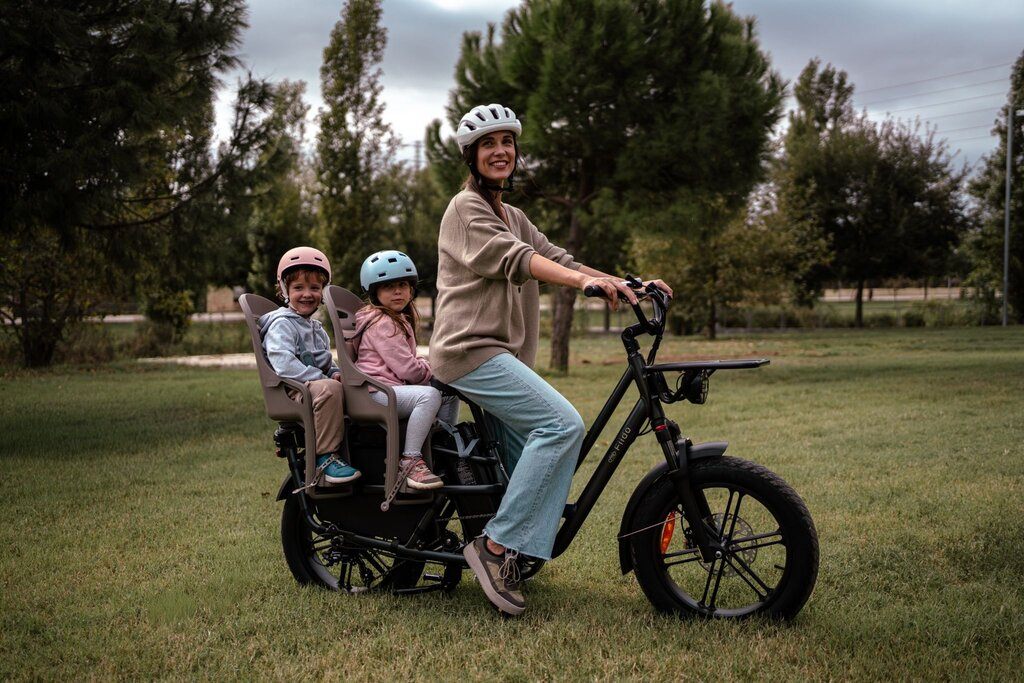
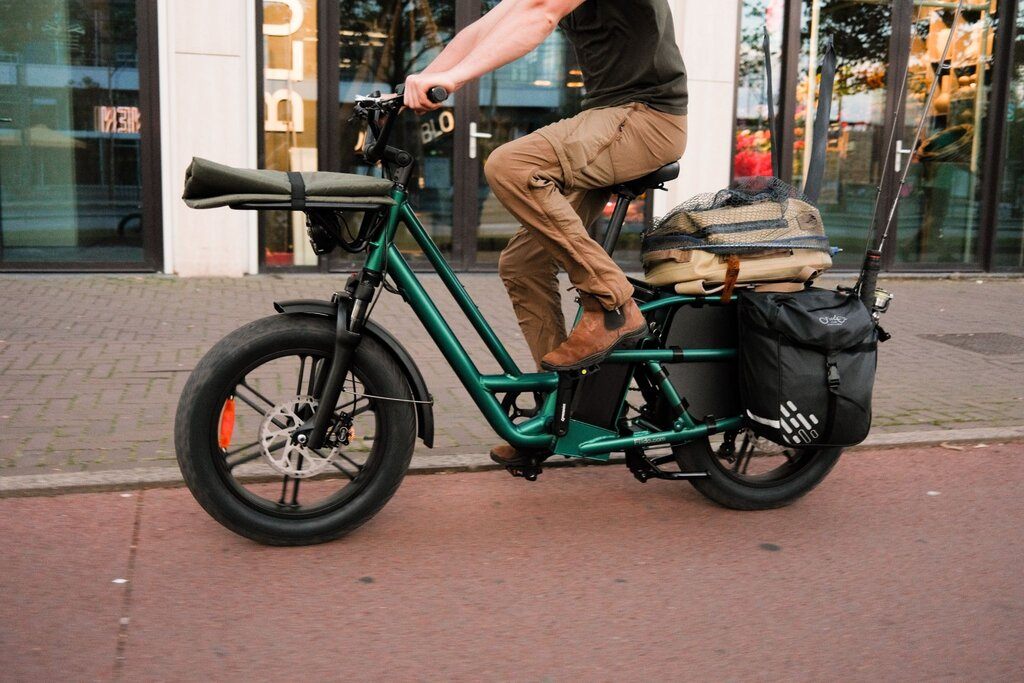
These bikes typically feature reinforced frames, extended rear racks, larger cargo platforms, or dedicated storage areas. This additional carrying capacity makes them suitable for transporting groceries, shopping bags, work equipment, sports gear, and even children.
Cargo bikes have been popular in parts of Northern Europe for years, particularly in countries such as the Netherlands and Denmark, where cycling forms an integral part of daily life. More recently, their practicality has attracted growing interest throughout the UK.
For families looking to reduce car usage without sacrificing convenience, cargo e-bikes offer a compelling solution.
The Benefits of Choosing an Electric Cargo Bike
An electric cargo bike combines the carrying capacity of a utility vehicle with the efficiency and flexibility of an electric bicycle.
Rather than relying on a car for every task, families can use cargo e-bikes for a wide range of everyday activities.
Saving Money on Daily Transport
Operating a cargo e-bike costs significantly less than owning and driving a car. Electricity costs for charging are minimal compared with fuel expenses, while maintenance requirements are generally lower.
For households seeking to reduce transportation costs, replacing some car journeys with cargo bike trips can lead to meaningful savings over time.
Easier School Runs
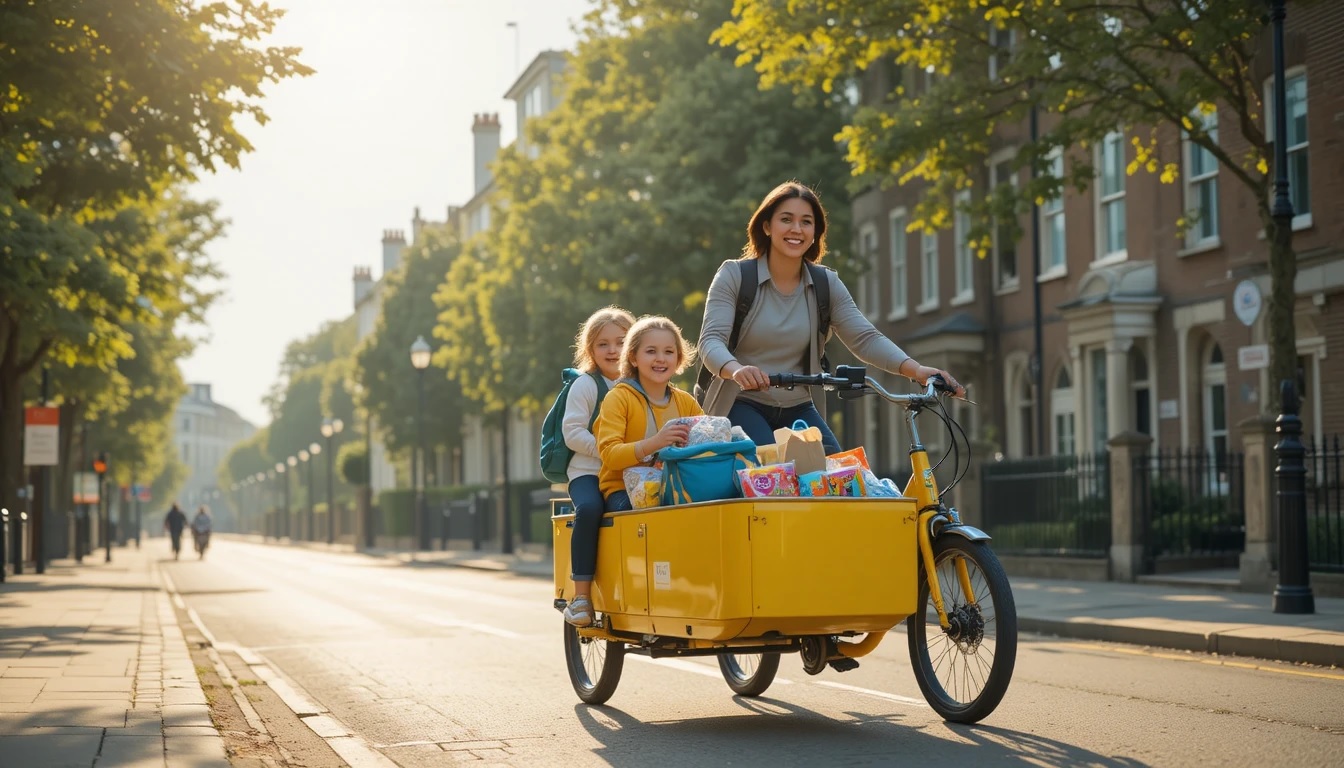
One of the most popular uses for cargo e-bikes is transporting children. Many parents find that cargo bikes provide a convenient and enjoyable way to complete school runs while avoiding traffic and parking difficulties.
Children often enjoy the experience, and parents benefit from a more predictable and less stressful journey.
Convenient Shopping Trips
Weekly shopping trips are another area where cargo e-bikes excel. Large rear racks, cargo platforms, and accessories make it possible to transport groceries and household essentials without needing a car.
For local errands, many riders find that cargo bikes are actually more convenient than driving.
Lower Environmental Impact
Reducing car dependency can significantly lower household carbon emissions. Because cargo e-bikes require very little energy to operate, they represent one of the most environmentally friendly transportation options available today.
For families seeking practical ways to reduce their environmental footprint, switching some journeys to cargo bikes can make a noticeable difference.
Cargo Bikes That Suit Modern Family Life
As interest in cargo e-bikes grows, manufacturers are developing models designed to meet different transportation needs.
For families looking for a versatile utility-focused option, the Fiido T2 has attracted attention for its substantial carrying capacity and practical cargo design. Built with everyday utility in mind, it can support shopping trips, school runs, and other transport tasks that would traditionally require a car.
Another increasingly popular option is the Fiido Titan. While often recognised for its long-range capabilities and rugged design, it also offers the load-carrying potential and reliability that many families seek for regular transportation. Its ability to handle longer journeys makes it particularly appealing for riders who want one bike capable of commuting, leisure riding, and carrying cargo.
Both models reflect a broader trend within the cycling industry: creating practical transportation solutions that can genuinely replace a significant number of car journeys.
How Cargo Bikes Support More Sustainable Communities
The benefits of cargo e-bikes extend beyond individual households.
When more people choose alternative forms of transportation, entire communities can experience positive outcomes. Reduced traffic congestion can improve travel times and create safer roads. Fewer vehicle emissions contribute to cleaner air and healthier urban environments.
Increased cycling activity can also support local businesses. Riders are more likely to stop at neighbourhood shops, cafés, and services than drivers focused on finding parking spaces.
Additionally, quieter streets and reduced traffic volumes can make communities more pleasant places to live, work, and socialise.
For cities seeking to achieve sustainability goals, encouraging cycling and cargo bike adoption can be an effective strategy that delivers both environmental and social benefits.
Could a Cargo E-Bike Replace a Second Family Car?
For many households, the answer may be yes.
While cargo e-bikes are unlikely to replace every vehicle for every family, they can often substitute for a second car used primarily for short trips and local errands.
School runs, commuting, shopping, visiting friends, and recreational outings can frequently be completed by cargo bike, especially in urban and suburban areas where distances are relatively short.
As battery technology improves and cycling infrastructure expands, the practicality of cargo e-bikes continues to increase. More families are discovering that they do not need a car for every journey, particularly when a cargo e-bike can provide a faster, cheaper, and more enjoyable alternative.
Looking Ahead
The future of urban transportation is likely to involve a mix of solutions rather than reliance on a single mode of travel. Public transport, walking, cycling, and electric mobility will all play important roles in helping communities reduce emissions and improve quality of life.
Cargo e-bikes are uniquely positioned within this transition because they combine practicality with sustainability. They allow families to carry children, groceries, and everyday essentials while reducing transportation costs and environmental impact.
As more UK households look for ways to travel smarter, cleaner, and more efficiently, cargo e-bikes are becoming an increasingly attractive option.
Conclusion
Family transportation is evolving. Rising costs, environmental concerns, and changing urban lifestyles are encouraging many households to explore alternatives to car-dependent travel.
E-bikes have already demonstrated their value as a practical form of sustainable transport, and cargo e-bikes are taking this concept even further. By combining carrying capacity with electric assistance, they offer a realistic solution for school runs, shopping trips, commuting, and everyday family life.
Whether used as a supplement to an existing vehicle or as a replacement for a second family car, cargo e-bikes are helping more families embrace a cleaner, healthier, and more sustainable way of moving around their communities.