








Could a Two-Seater Electric Bike Replace Some Everyday Car Journeys?
Across the UK, people are rethinking how they travel. Rising fuel costs, increasing parking charges, growing traffic congestion, and greater awareness of environmental issues are encouraging many households to look for alternatives to traditional car use.
While cars remain essential for many journeys, a surprising number of daily trips are relatively short. Whether it's taking children to school, visiting local shops, meeting friends for coffee, or heading to a nearby park, many of these journeys could potentially be completed using more sustainable forms of transportation.
Electric bikes have become increasingly popular as a practical solution for short-distance travel. More recently, a growing number of riders have begun exploring another option: two-seater electric bikes. By allowing two people to travel together comfortably, these bikes offer a unique combination of convenience, affordability, and sustainability.
As cities and communities continue to invest in greener transportation infrastructure, two-seater e-bikes are becoming an attractive choice for couples, families, and anyone looking to reduce their dependence on cars.
Why Short Car Journeys Are Being Reconsidered
For decades, the car has been the default option for many everyday activities. However, urban transportation patterns are changing.
Research consistently shows that a large proportion of daily journeys are relatively short. Trips to local schools, supermarkets, gyms, cafés, and workplaces often involve distances of only a few miles. Despite this, many people still choose to drive because it feels convenient and familiar.
Yet these short journeys can contribute significantly to traffic congestion and emissions. Frequent stop-and-start driving is often less fuel-efficient, while parking can become both costly and time-consuming.
At the same time, many towns and cities are investing in cycling infrastructure to encourage more sustainable travel habits. Dedicated cycle lanes, traffic-calming measures, and improved bike storage facilities are making cycling a more practical option for everyday transportation.
As a result, many households are beginning to question whether every short journey truly requires a car.
Why E-Bikes Have Become a Practical Alternative
The popularity of the ebike has grown rapidly over the past few years, transforming cycling from a recreational activity into a realistic transportation solution for millions of people.
Unlike traditional bicycles, e-bikes provide electric pedal assistance that helps riders travel further with less effort. Hills become more manageable, longer distances feel less demanding, and commuting becomes accessible to a wider range of people.
For many households, an ebike offers a flexible and affordable alternative to driving for short daily trips. Riders can often avoid traffic congestion, eliminate parking concerns, and significantly reduce transportation costs.
Environmental benefits are another major advantage. E-bikes consume very little energy compared with cars and produce no tailpipe emissions. For people looking to reduce their carbon footprint without sacrificing convenience, they represent one of the most practical transportation options available.
The growing popularity of e-bikes reflects a broader shift toward smarter and more sustainable urban mobility.
The Growing Appeal of Shared Electric Cycling
While traditional cycling is often viewed as a solo activity, shared cycling experiences are becoming increasingly popular.
Couples are looking for new ways to travel together without always relying on a car. Parents are seeking practical transportation options for local journeys. Friends are exploring alternative ways to enjoy weekends and leisure activities outdoors.
At the same time, people are becoming more interested in experiences rather than simply getting from one place to another. Travelling together on a bike can encourage conversation, create memorable experiences, and make everyday journeys more enjoyable.
This shift has contributed to growing interest in electric bikes designed to accommodate more than one rider.
Rather than purchasing separate bicycles for every trip, some households are discovering that a shared riding solution can provide both convenience and practicality.
How a Two-Seater Electric Bike Supports Everyday Mobility
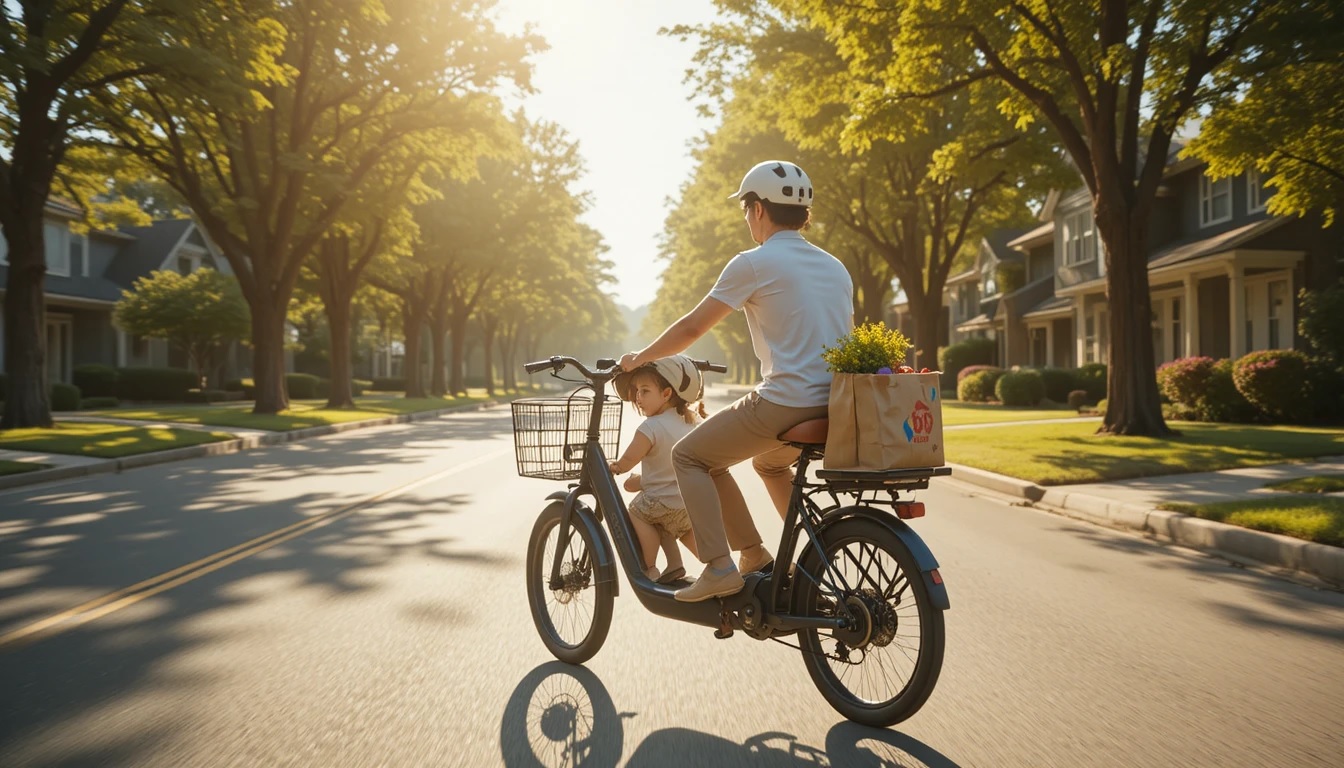
A 2 seater electric bike can help couples and families complete short journeys together while reducing dependence on private cars.
Unlike standard bicycles, two-seater models are designed with additional seating capacity and enhanced stability, making them suitable for carrying a passenger comfortably.
For many riders, this creates opportunities to replace certain car journeys with a more sustainable alternative.
School Runs
Many parents use vehicles for short school journeys that involve only a few miles of travel.
A two-seater e-bike can provide a practical alternative for these trips, particularly when supported by safe cycling infrastructure. Children often enjoy the experience, while parents benefit from avoiding traffic and parking challenges.
Shopping and Local Errands
Local shopping trips are another area where shared electric bikes can be useful.
Rather than driving to nearby shops, riders can complete errands while enjoying the convenience and flexibility that cycling offers. Combined with suitable cargo accessories, many two-seater e-bikes can comfortably handle everyday purchases.
Leisure and Weekend Activities
For couples and families, two-seater electric bikes can transform weekend travel.
Instead of using a car for every outing, riders can explore local attractions, parks, coastal routes, and countryside paths together. The electric assistance helps make longer journeys accessible to riders with different fitness levels.
Community Connections
Cycling often creates a stronger connection with local communities than driving. Riders are more likely to stop at independent businesses, interact with neighbours, and discover new places within their area.
These small interactions contribute to more vibrant and connected communities.
Two Fiido Models Designed for Shared Riding
As demand for versatile electric bikes continues to grow, manufacturers are developing models that combine comfort, carrying capacity, and practicality for everyday use.
Among the options available to UK riders, two Fiido models stand out for their ability to support shared journeys and everyday transportation needs.
Fiido T2: Practical Utility for Family Transport
The Fiido T2 is designed with utility and everyday practicality in mind.
Its extended rear section and high carrying capacity make it particularly suitable for transporting passengers, shopping, and other daily essentials. Families looking to reduce their reliance on cars for local journeys may find the T2 especially appealing.
Whether it's a school run, a shopping trip, or a visit to a local park, the T2 offers the versatility needed for a wide range of everyday activities.
Its cargo-focused design demonstrates how modern electric bikes are evolving beyond simple commuting tools and becoming genuine transportation solutions.
Fiido Titan: Built for Longer Adventures
For riders who enjoy travelling beyond the city centre, the Fiido Titan offers a different set of strengths.
Known for its impressive range and robust design, the Titan is well suited to longer leisure rides, countryside routes, and weekend adventures. The comfortable riding position and durable construction make it a practical option for couples looking to spend more time exploring together.
Its versatility allows it to perform well in both urban and rural environments, making it an attractive choice for riders who want one bike capable of handling a variety of transportation needs.
For those seeking greater flexibility and extended riding opportunities, the Titan provides a compelling alternative to short car-based trips.
Can Shared E-Bikes Reduce Dependence on Cars?
For many households, the answer is increasingly yes.
While two-seater electric bikes are unlikely to replace every vehicle or every journey, they can often substitute for a significant number of short-distance trips. In some cases, they may even reduce the need for a second family car.
Many of the journeys that dominate everyday life—school runs, local shopping, visits to friends, commuting to nearby workplaces, and recreational outings—fall within the ideal range for electric cycling.
Replacing even a portion of these trips with e-bike travel can lead to lower transportation costs, reduced emissions, and less time spent sitting in traffic.
As cycling infrastructure continues to improve and battery technology advances, the practicality of shared electric mobility is likely to increase even further.
The Future of Shared Urban Mobility
The future of transportation is unlikely to revolve around a single solution. Instead, cities will increasingly rely on a combination of public transport, walking, cycling, and electric mobility options.
Within this evolving landscape, shared electric bikes have the potential to play an important role.
They offer an appealing balance between convenience and sustainability, allowing people to travel together while consuming far fewer resources than conventional vehicles. They also encourage more active lifestyles and stronger connections with local communities.
As more households look for ways to reduce transportation costs and environmental impact, two-seater electric bikes are likely to become an increasingly familiar sight on UK roads and cycle paths.
Conclusion
Transportation habits are changing. Rising costs, environmental concerns, and evolving lifestyles are encouraging many people to reconsider how they travel for everyday activities.
E-bikes have already proven their value as a practical and sustainable alternative to driving. Now, two-seater models are expanding those possibilities by allowing couples, families, and friends to share journeys.
Whether used for school runs, shopping trips, weekend adventures, or local commuting, two-seater electric bikes offer a flexible solution that combines affordability, convenience, and environmental responsibility.
Models such as the Fiido T2 and Fiido Titan demonstrate how modern electric bikes can support a wide variety of transportation needs while helping riders reduce their dependence on cars. As communities continue moving toward more sustainable mobility solutions, shared electric cycling may become an increasingly important part of everyday life.