








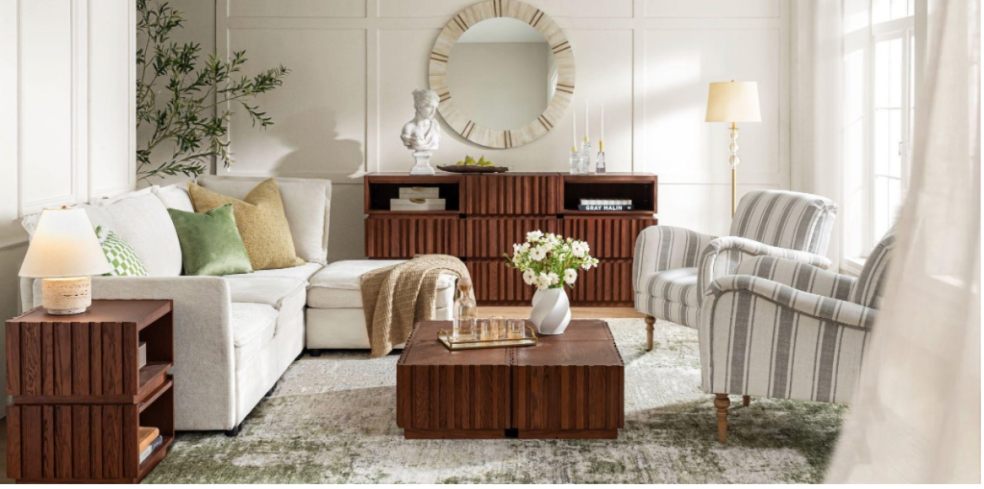
How Modular Furniture Is Creating Calmer Homes
The Growing Need for Calm in Modern UK Living
In recent years, “calm living” has become more than just a design preference — it has become a response to how people actually live. Across the UK, homes are expected to do far more than they used to. They are workplaces, social spaces, rest zones, and sometimes even fitness areas, all within the same footprint.
This constant shift in function has created a subtle but important problem: visual and mental overload. When a home has too many fixed elements or lacks structure, it can start to feel busy, cluttered, and mentally draining.
As a result, homeowners are increasingly seeking interiors that feel lighter, more adaptable, and easier to live in day to day. Calm is no longer just about colour palettes or décor — it is about how a space functions.
Why Traditional Interiors Often Feel Overwhelming
Traditional furniture layouts were built for a more predictable lifestyle. Rooms had fixed purposes, storage was static, and daily routines were more structured. But modern living rarely follows that pattern anymore.
Today, a living room might need to support:
- remote work during the day
- family time in the evening
- entertainment at night
When furniture is rigid and single-purpose, it can struggle to keep up with these shifts. The result is often visual clutter, inefficient use of space, and a feeling that the room is constantly “half set up” for something else.
This is where many UK homeowners are beginning to rethink how their interiors are designed.
The Rise of Modular Thinking in Interior Design
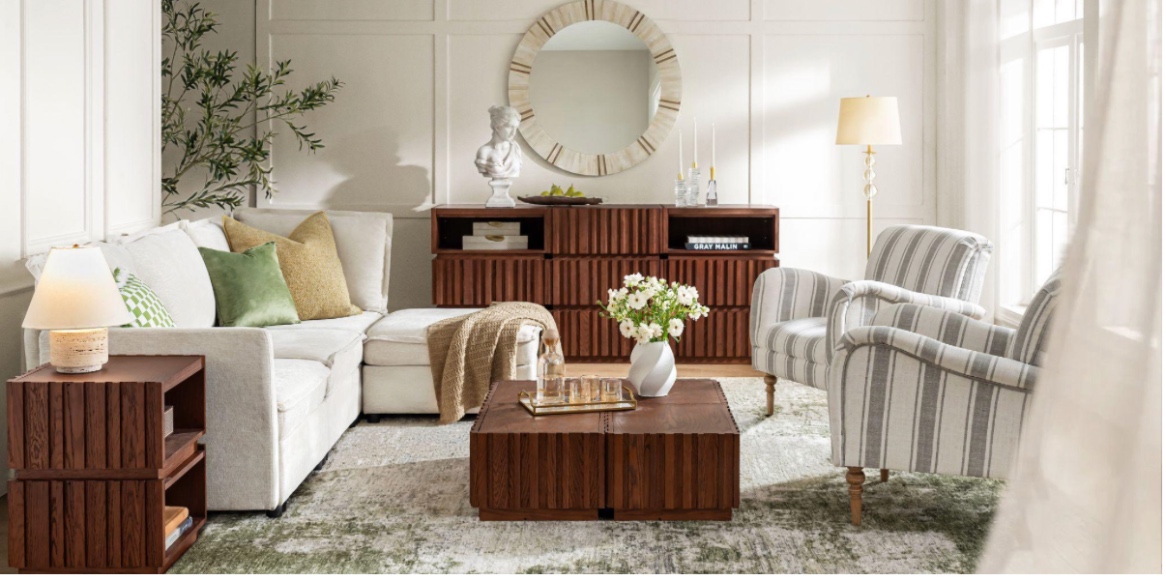
Modular furniture has emerged as a direct response to these changing needs. Instead of being fixed into one shape or function, modular pieces are designed to adapt. They can be rearranged, expanded, or simplified depending on how the space is being used. A good example of this is the Modular Storage Cabinet, which fits easily into different room layouts while maintaining both function and style.
This flexibility is one of the key reasons modular design is becoming so popular in small and medium-sized UK homes. It allows people to work with their space rather than against it.
More importantly, modular systems introduce a sense of control. When a room can be adjusted easily, it becomes easier to maintain order and flow — two essential ingredients for a calmer home environment.
How Flexibility Creates a Sense of Calm
Calm interiors are not necessarily minimal or empty. Instead, they are spaces where everything feels intentional and balanced. Modular furniture supports this by reducing visual noise and allowing layouts to evolve naturally.
There are a few key ways this contributes to a calmer home:
1. Reduced Clutter Pressure
When storage and furniture adapt to needs, there is less tendency for items to be left out or temporarily placed without structure. Everything has a place that can shift as needed.
2. Visual Consistency
Modular systems often use unified materials and proportions, which helps create visual harmony even when configurations change.
3. Easier Space Resetting
Rooms can be quickly reorganised, making it easier to “reset” a space after work, socialising, or daily use.
4. Better Use of Small Spaces
In compact UK homes, modular furniture ensures no area feels wasted or overloaded, improving flow and accessibility.
The Emotional Side of Adaptable Living
Beyond practicality, there is also an emotional dimension to modular design. A home that can adapt quickly to different needs reduces friction in everyday life.
Instead of feeling constrained by furniture placement or storage limitations, people can adjust their environment to match their mood or activity. This sense of ease contributes directly to a more relaxed living experience.
It also supports a more mindful approach to home life. When a space is easy to organise and reconfigure, it encourages people to maintain it more regularly, rather than letting clutter build up over time.
Modular Furniture in the Context of Modern UK Homes
As UK homes continue to shift toward hybrid living, modular design is becoming increasingly relevant. Whether it is a compact flat in the city or a family home adapting to remote work, flexibility is now a core requirement.
This is particularly visible in storage solutions, where adaptability plays a key role in maintaining order without sacrificing style. Systems such as modular cabinet designs reflect this balance between function and aesthetics.
They allow homeowners to create storage that fits their space precisely, while still maintaining a clean and cohesive interior look.
A Shift Toward Effortless Living
One of the most important changes in modern interior design is the move toward “effortless living.” This does not mean less thought is put into design — rather, it means homes are designed to work naturally with daily routines.
Modular furniture plays a key role in this shift by removing unnecessary complexity. Instead of struggling with fixed layouts or oversized furniture, homeowners can adjust their space with ease. Brands like Hulala Home reflect this growing focus on adaptable and user-friendly furniture designed for modern lifestyles.
This leads to a home environment that feels more supportive and less demanding — a place where everything works quietly in the background.
Designing for Calm in a Changing World
As lifestyles continue to evolve, the need for adaptable interiors will only grow stronger. Modular furniture is not just a trend; it is a response to how people actually live today.
By allowing homes to change with their occupants, it reduces stress, improves functionality, and creates a stronger sense of calm. In a world that often feels fast and crowded, this kind of flexibility is becoming essential.
Ultimately, calmer homes are not created by reducing what we own, but by designing smarter systems for how we live with it. Modular furniture is helping make that possible.
Promotional content.