








Precision Engineering and High-Performance Solutions for Demanding Applications
There are fields where the difference between a component or service that is precisely right for the application and one that is merely adequate becomes immediately and consequentially apparent. In high-performance motorcycles, in heavy lift aviation operations, and in the testing of vehicle safety systems, the tolerance for imprecision is genuinely small, and the engineering standards required to meet the demands of each application are considerably higher than those that apply to everyday equivalents. The people and organisations working in these fields tend to share a particular mindset: a belief that getting things exactly right is not an optional refinement but a fundamental requirement, and that the expertise required to achieve that standard is worth seeking out and paying for properly.
Cables Built for the Bike You Actually Have
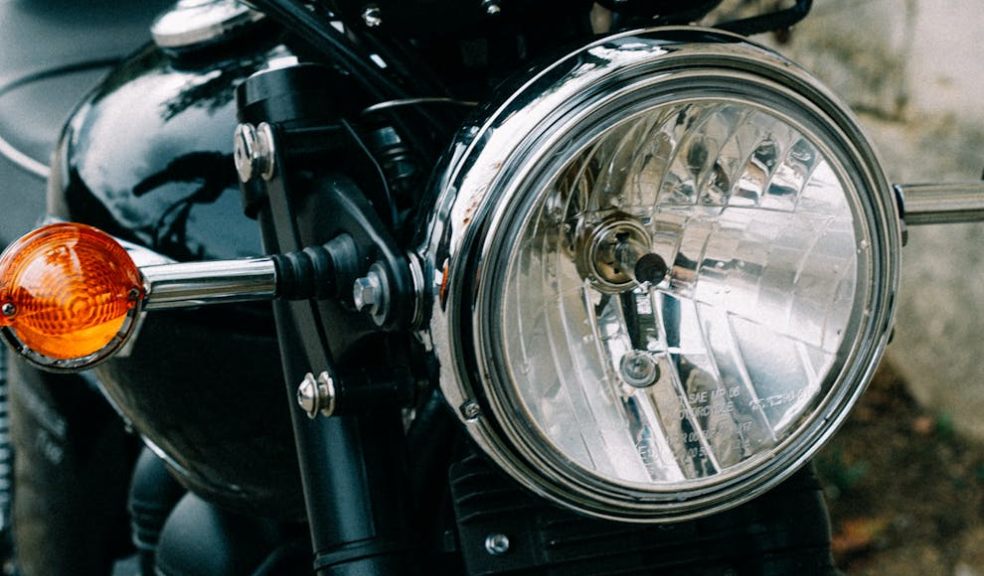
A throttle cable is one of those components that most motorcycle riders never think about until it gives them cause to, at which point it becomes the most important part of the bike. For standard machines running standard configurations, off-the-shelf replacement cables are generally adequate. But for custom builds, modified motorcycles, classic restorations, and performance applications where the routing, length, or end fittings of a standard cable don't match what the bike actually needs, a bespoke solution is the only one that works properly. A custom motorcycle throttle cable manufactured to the specific requirements of the individual application provides the precise fit, correct operation, and long-term reliability that a compromised standard cable simply cannot deliver. The best manufacturers of bespoke cables work to accurate measurements provided by the customer, use high-quality inner and outer components suited to the specific application, and produce a finished cable that installs cleanly and operates with the smooth, consistent feel that a well-set-up motorcycle demands.
Lifting Operations That Require Specialist Aviation Expertise
Helicopter lifting operations occupy a specialised corner of the aviation and logistics world that requires a combination of flying skill, equipment capability, and operational planning that very few organisations can credibly provide. The applications are genuinely varied: construction projects requiring materials to be placed in locations inaccessible to ground-based cranes, infrastructure maintenance work on pylons, wind turbines, and remote structures, film and broadcast work requiring aerial camera platforms, and emergency or specialist operations where speed and precision matter enormously. Helicopter lifting services conducted by experienced operators bring together aircraft configured specifically for external load work, pilots with the specialised training and currency that precision load operations require, and the operational and safety management frameworks that allow complex lifts to be planned and executed without incident. For project managers and engineers considering whether helicopter lifting is the right solution for a specific challenge, the conversation with a specialist operator tends to clarify both what's possible and what's required very quickly.
Robotic Precision in Vehicle Safety Testing
The validation of advanced driver assistance systems and active safety technologies depends on test methodologies that are both rigorous and repeatable, and human drivers introduce a degree of variability that becomes a genuine limitation when the goal is to characterise system behaviour to a high level of precision. A driving robot replaces the human driver in specific test scenarios with an electromechanical system that controls steering, throttle, and braking inputs with a consistency and accuracy that no human can match across repeated runs. This repeatability is what allows engineers to isolate the behaviour of the system under test from the variability of the driver, producing data that is reliable enough to support engineering decisions and regulatory submissions. For automotive manufacturers and test organisations working at the frontier of safety system development, the quality of the testing equipment is directly connected to the quality of the conclusions that can be drawn from the data it generates.
The Standard That Demanding Applications Require
The common thread across custom cable manufacture, helicopter lifting operations, and precision vehicle testing is that each field has a standard that simply has to be met, and that meeting it requires genuine expertise, properly specified equipment, and an approach to quality that doesn't treat precision as a premium add-on.
Promotional content
Gallery