








The Backbone of Efficient Site Management
There's a version of a well-run site that looks almost effortless from the outside. Work progresses steadily, the right equipment is there when it's needed, the space looks considered rather than chaotic, and problems get dealt with before they become expensive. Anyone who has managed a site knows that this apparent ease is the result of a lot of careful planning and the right specialist support being in place at the right times.
The reality of site management is that it draws on an enormous range of disciplines. Clearing, shaping, and finishing outdoor spaces. Breaking down structures safely and efficiently. Keeping the infrastructure that powers the whole operation clean, compliant, and functioning. Each of these demands its own expertise, and each one, handled poorly, has the potential to slow down or derail everything that depends on it.
Here are three areas where getting the right professional support makes a genuine difference to how a site runs.
Making the Space Work Once the Work Is Done
There's a tendency in construction and development to treat the external environment as something to deal with at the end, once the main build is complete. In practice, that approach often creates problems. Rushed landscaping looks rushed, and it rarely integrates well with the finished building or the surrounding area. The result can undermine the overall quality of a project that deserves better.
Professional landscaping in Woking takes the outdoor environment seriously as a part of the whole. Whether it's a residential development that needs its grounds designed and planted thoughtfully, a commercial site that requires hard landscaping to manage access and drainage, or a project that needs the surrounding land returned to a presentable and functional condition after construction, experienced landscapers bring both the technical knowledge and the design sensibility to get it right. Good landscaping also has practical value beyond aesthetics. Properly managed drainage, suitable planting, and well-designed surfaces all contribute to the long-term maintenance costs and usability of a site. It's worth treating it as an investment rather than an afterthought.
Clearing the Way Safely and Efficiently
Before new construction can begin, existing structures often need to come down. That sounds straightforward until you're managing it. Demolition requires careful sequencing, an understanding of what's in the structure being removed, proper disposal of materials, and equipment that's suited to the specific job. Getting any of these wrong creates delays, safety issues, and costs that mount quickly.
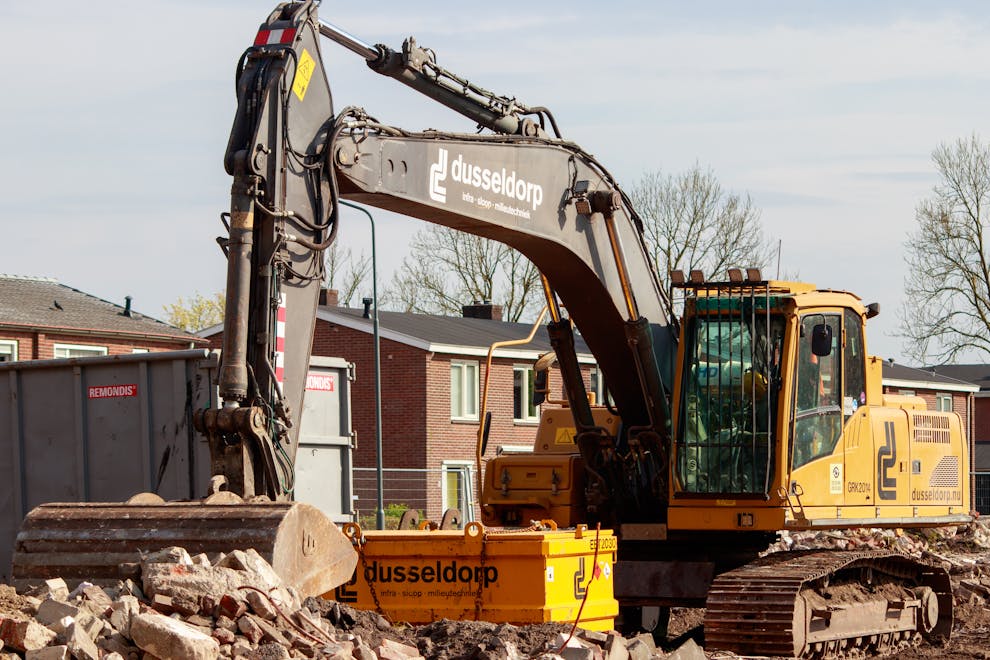
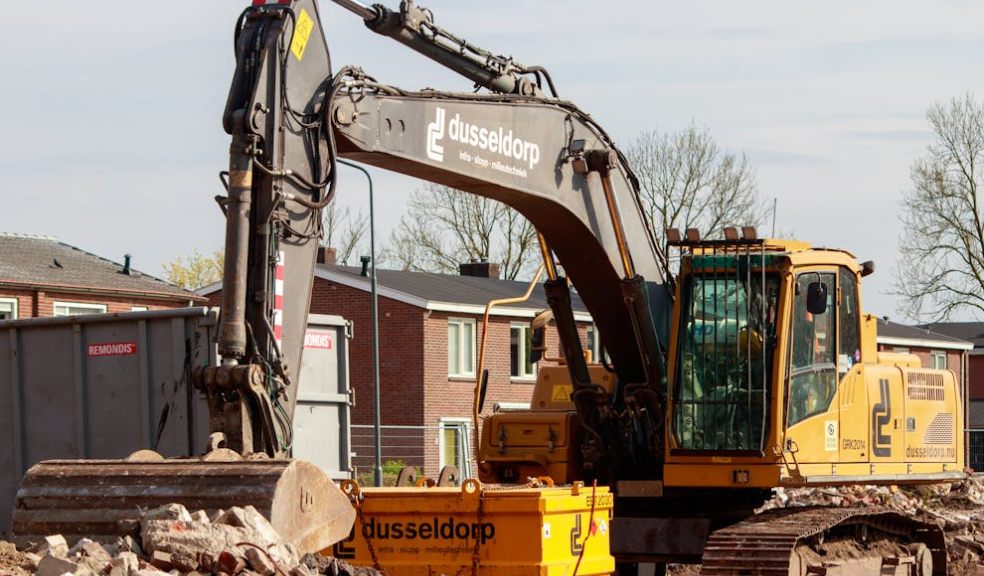
The right demolition equipment makes an enormous practical difference to how this work progresses. From excavators fitted with specialist attachments for breaking down concrete and masonry, to equipment designed for selective demolition where only part of a structure is being removed, the range of machinery available today allows for far more controlled and precise work than older methods permitted. For site managers, working with a team that operates well-maintained, appropriate equipment means the demolition phase is completed safely and on schedule, which protects everything that follows. It also reduces the risk of damage to adjacent structures or services, which is particularly important on tighter urban sites.
The Infrastructure That Can't Be Ignored
Fuel storage is one of those aspects of site management that tends to be invisible until something goes wrong. Fuel tanks are essential to keeping equipment running, but they require proper maintenance to remain safe, compliant, and fit for purpose. Over time, tanks can accumulate water, sludge, and microbial contamination that degrades fuel quality, damages engines, and creates a compliance headache that nobody needs mid-project.
Fuel tank cleaning is not the most glamorous part of site operations, but it's one of the more important ones. Regular professional cleaning removes the contaminants that build up over time, extends the life of the tank, and ensures the fuel being drawn from it is clean enough to protect the engines and generators it's supplying. For sites running significant amounts of plant and machinery, the cost of a cleaning programme is modest compared to the cost of equipment failures or regulatory issues arising from neglected tanks. It's the kind of maintenance that pays for itself in avoided problems.