









The Importance of First Aid Training for Businesses in the UK and Ireland
Every year, thousands of workplace accidents occur across the UK and Ireland, ranging from minor cuts and bruises to life-threatening emergencies. In these critical moments, the difference between a full recovery and a tragic outcome often depends on the immediate response of those present. For businesses, ensuring that employees are equipped with first aid knowledge isn't merely a regulatory tick-box exercise—it's a fundamental responsibility that can save lives, protect livelihoods, and safeguard organisational reputation.
First aid training represents one of the most valuable investments a business can make. Beyond the obvious humanitarian benefits, properly trained first aiders contribute to a safer working environment, reduced insurance premiums, improved employee morale, and enhanced compliance with health and safety legislation. This article explores why first aid training should be a priority for every business operating in the UK and Ireland, examining the legal requirements, practical benefits, and wider implications for workplace safety culture.
Legal Requirements and Compliance
In both the UK and Ireland, businesses have legal obligations regarding first aid provision. In the UK, the Health and Safety (First-Aid) Regulations 1981 require employers to provide adequate and appropriate equipment, facilities, and personnel to ensure employees receive immediate attention if they are injured or fall ill at work. Similarly, the Safety, Health and Welfare at Work (General Application) Regulations 2007 in Ireland mandate that employers provide first aid equipment and ensure that a sufficient number of trained first aiders are available.
The regulations don't specify exact numbers of first aiders required, as this depends on various factors including the nature of the business, the number of employees, workplace hazards, and the premises' layout. However, the Health and Safety Executive (HSE) in the UK and the Health and Safety Authority (HSA) in Ireland provide detailed guidance to help employers conduct needs assessments. Generally, lower-risk environments such as offices might require one first aider per 100 employees, whilst higher-risk settings like construction sites or manufacturing facilities need substantially more.
Failure to comply with these regulations can result in significant consequences. Beyond the moral responsibility of ensuring employee welfare, businesses face potential prosecution, substantial fines, and civil liability claims if inadequate first aid provision contributes to worsening an injury or illness. Moreover, non-compliance can damage business reputation and employee trust, making recruitment and retention more challenging.
The Business Case for First Aid Training
Whilst legal compliance provides the baseline motivation, the broader business benefits of first aid training extend far beyond avoiding penalties. A well-trained workforce creates tangible value across multiple dimensions of business operation.
Reducing Workplace Injuries and Severity
Trained first aiders can often prevent minor injuries from escalating into serious incidents. A small cut treated promptly and correctly is unlikely to become infected or cause lost work time. Similarly, knowing how to properly manage sprains, strains, or burns can significantly reduce recovery periods. This immediate intervention minimises both the human suffering and the financial impact of workplace accidents.
Statistics demonstrate that workplaces with comprehensive first aid training experience fewer severe incidents. When employees understand basic safety principles through first aid courses, they become more aware of potential hazards and more cautious in their daily activities. This heightened safety consciousness creates a preventative effect that reduces accident frequency overall.
Minimising Downtime and Lost Productivity
Workplace accidents inevitably disrupt business operations. However, having trained first aiders on-site dramatically reduces response times and can mean the difference between a brief interruption and extended downtime. Quick, effective treatment allows employees to return to work sooner, whilst delayed or inadequate care can result in prolonged absences.
Consider a scenario where an employee suffers a severe allergic reaction. A trained first aider can recognise the symptoms immediately, administer an EpiPen if available, and call emergency services with accurate information. Without this training, crucial minutes might be lost whilst colleagues panic or struggle to understand what's happening. In emergencies, every second counts—not just for the victim's wellbeing but also for minimising operational disruption.
Reducing Insurance Premiums
Many insurance providers offer reduced premiums to businesses that demonstrate robust health and safety trainingpractices, including adequate first aid provision. By investing in training and maintaining proper certification records, businesses can negotiate more favourable insurance terms. Over time, a strong safety record supported by trained first aiders can lead to substantial cost savings that far exceed the initial training investment.
Enhancing Employee Morale and Retention
Employees who know their employer prioritises their safety and wellbeing feel more valued and secure. First aid training such as Emergency First Aid, demonstrates a genuine commitment to staff welfare, which strengthens employee loyalty and enhances workplace culture. In competitive labour markets, this attention to employee safety can be a significant differentiator in attracting and retaining talented professionals.
Furthermore, employees who receive first aid training often report feeling more confident and empowered, both professionally and personally. These skills transfer beyond the workplace, enabling them to respond effectively to emergencies involving family, friends, or members of the public. This broader life skill development is appreciated by employees and contributes to job satisfaction.
Creating a Safety-Conscious Culture
Perhaps the most profound impact of first aid training lies in its contribution to organisational culture. When businesses prioritise first aid education, they send a clear message that safety matters. This commitment influences behaviour at all levels, encouraging employees to take health and safety seriously and to look out for one another.
A safety-conscious culture reduces risk-taking behaviour and encourages reporting of near-misses and hazards. Employees become active participants in maintaining a safe working environment rather than passive recipients of safety policies. This cultural shift creates a positive feedback loop: as safety awareness increases, accidents decrease, reinforcing the value of vigilance and care.
First aid training also promotes teamwork and mutual support. During emergencies, trained first aiders must work together, communicate clearly, and support one another. These experiences strengthen workplace relationships and build trust between colleagues, creating a more cohesive and collaborative organisational environment.
Types of First Aid Training Available
Businesses can choose from various first aid training options depending on their specific needs and risk assessments. Understanding these options helps ensure appropriate training provision.
Emergency First Aid at Work (EFAW)
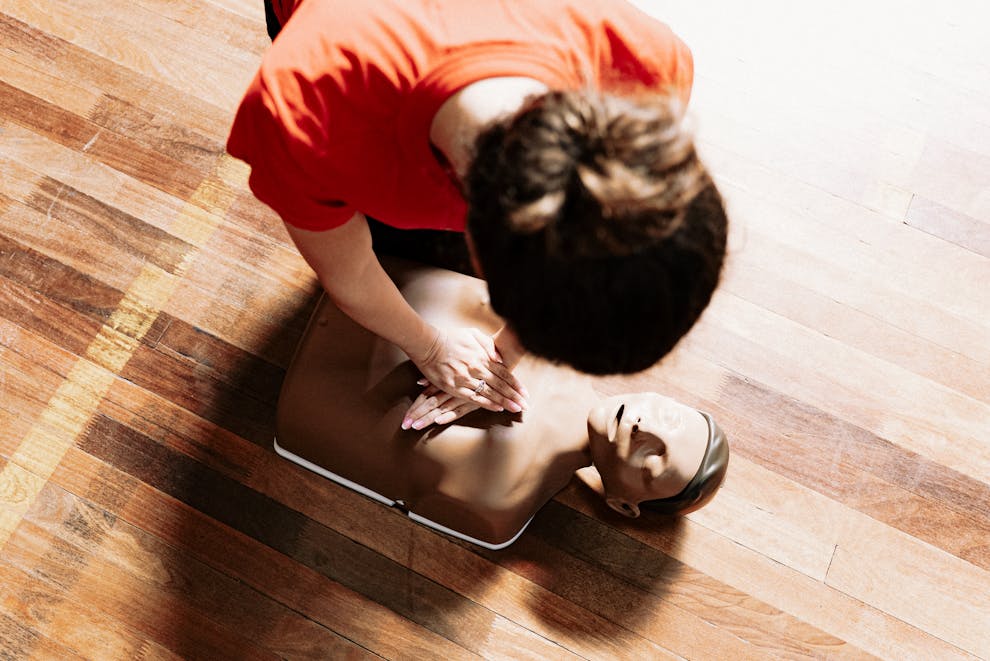
This one-day course covers essential emergency first aid skills and is suitable for lower-risk workplaces. Participants learn to manage unconscious casualties, perform CPR, control bleeding, and treat shock. EFAW provides foundational knowledge sufficient for many office environments and businesses without significant hazards.
First Aid at Work (FAW)
The comprehensive three-day FAW course covers a broader range of injuries and illnesses, including chest injuries, spinal injuries, anaphylaxis, and various medical conditions. This qualification is recommended for higher-risk environments and workplaces where emergency services might be delayed in reaching the site. FAW-trained first aiders can provide more sophisticated care over extended periods.
Paediatric First Aid
Businesses such as nurseries, schools, and childcare facilities require staff trained specifically in paediatric first aid. This specialised training addresses the unique needs of treating infants and children, covering topics like choking in babies, childhood illnesses, and age-appropriate resuscitation techniques.
Specialised Training
Some industries benefit from additional specialised training, such as outdoor first aid for adventure businesses, mental health first aid for all workplaces, or industry-specific modules covering particular hazards like chemical burns or electrical injuries.
Maintaining and Refreshing First Aid Skills
First aid certification isn't a one-time achievement but an ongoing commitment. Both EFAW and FAW certificates remain valid for three years, after which refresher training is required. This regular renewal ensures first aiders maintain current knowledge and practice their skills, as techniques and guidance evolve based on the latest medical research.
Many businesses implement annual refresher sessions even when not legally required, recognising that skills deteriorate without regular practice. These sessions reinforce learning, introduce any updated protocols, and maintain confidence among first aiders. Some organisations also conduct regular emergency drills, allowing first aiders to practise their response in simulated scenarios.
Businesses should also maintain adequate records of all first aid training, including certificates, training dates, and refresher schedules. These records demonstrate compliance during inspections and help organisations track when renewals are due.
Implementing an Effective First Aid Programme
Successfully integrating first aid training into business operations requires thoughtful planning and ongoing management. Employers should begin by conducting a thorough needs assessment, considering factors such as employee numbers, workplace hazards, shift patterns, and premises layout. This assessment determines how many first aiders are needed and what level of training is appropriate.
First aid equipment must be readily accessible, properly stocked, and regularly checked. This includes maintaining first aid kits appropriate to the workplace risks, ensuring equipment hasn't expired, and replacing used items promptly. Clear signage should indicate the location of first aid stations and identify trained first aiders.
Communication is essential. All employees should know who the designated first aiders are and how to summon help during emergencies. Consider providing visual aids like photo boards showing first aiders, their locations, and contact information. Regular safety briefings should include reminders about first aid procedures and emergency response protocols.
Conclusion
First aid training represents far more than a regulatory requirement for businesses in the UK and Ireland—it's a fundamental pillar of responsible business practice that protects employees, supports operational efficiency, and demonstrates genuine commitment to workplace welfare. The benefits extend across legal compliance, financial performance, employee satisfaction, and organisational culture, creating value that far exceeds the modest investment required.
In an unpredictable world where emergencies can occur without warning, having trained first aiders present can literally mean the difference between life and death. Beyond these critical moments, first aid training contributes to a safer, more aware, and more cohesive workplace where employees feel valued and protected.
Every business, regardless of size or sector, should prioritise comprehensive first aid training. By doing so, organisations not only fulfil their legal and moral obligations but also invest in their most valuable asset—their people. In the final analysis, the question isn't whether businesses can afford to provide first aid training, but whether they can afford not to.
Gallery