









Why More Players Are Taking Up Padel
Padel is growing quickly because it is easy to start, social by design, and physically active without feeling intimidating. It combines elements of tennis and squash, but the smaller court, enclosed walls, and underhand serve make it more accessible for beginners.
Players do not need years of technical training to enjoy their first match. Rallies last longer, movement is more controlled, and doubles play makes the game feel more cooperative.
For people looking for a sport that supports fitness, competition, and social connection, padel offers a practical entry point.
Padel Is Easier to Learn Than Many Racket Sports
One reason padel attracts new players is the learning curve. Tennis can be difficult for beginners because serving, spin, court coverage, and stroke timing take time to develop.
Padel is more forgiving.
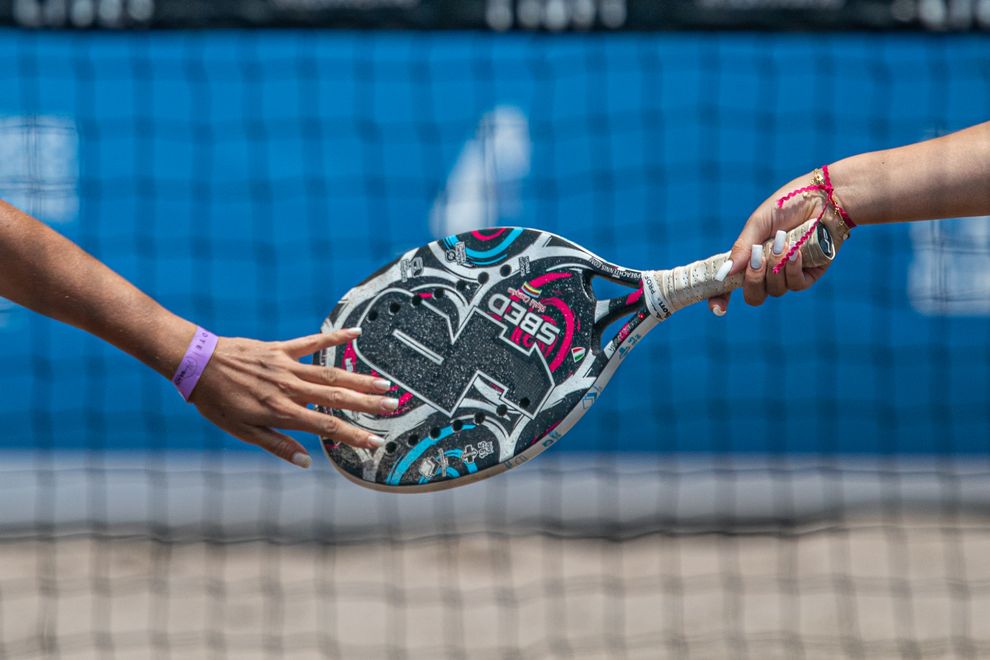
The serve is underhand. The court is smaller. The walls keep the ball in play. The racket is solid and easier to control than a strung tennis racket.
This makes early rallies more achievable.
Beginners can play a real match sooner, which helps motivation. Instead of spending weeks on isolated drills, new players can learn while playing.
The Social Side Is Built In
Padel is usually played as doubles, which makes it naturally social. Players communicate, cover space together, and build rhythm as a team.
This makes the sport attractive for friends, coworkers, couples, and local clubs.
It also explains why many players treat padel as both exercise and a social event.
Teams often enjoy coordinating their look for leagues, tournaments, or club sessions, and a custom padel jersey can help create that shared identity without affecting movement or comfort during play.
The team format reduces pressure on one player.
A beginner can still contribute while learning positioning, shot selection, and court awareness.
It Provides a Strong Workout Without Extreme Impact
Padel is active, but it does not require constant full-court sprinting. The smaller court means movement is frequent but controlled.
Players still work on agility, reaction time, balance, coordination, and endurance.
Short bursts of movement are common.
So are lateral steps, quick turns, volleys, and controlled recovery positions.
Fitness Benefits of Padel
Regular play can support:
- Cardiovascular fitness
- Hand-eye coordination
- Core engagement
- Lower-body strength
- Balance and footwork
- Reaction speed
- Mobility
- Social motivation
- Stress reduction
Because the game is engaging, many players exercise longer than they would during a standard gym session.
The match itself becomes the workout.
Padel Encourages Longer Rallies
Longer rallies make the sport more enjoyable for new and intermediate players. In many racket sports, early points end quickly because of missed serves, poor returns, or shots going out.
Padel reduces that problem.
The walls allow the ball to stay active, which gives players more chances to recover and continue the point.
This creates a satisfying rhythm.
Players get more touches, more decisions, and more opportunities to improve.
Longer rallies also make the game feel less stop-start.
That keeps energy high and makes sessions more enjoyable.
The Court Design Makes Strategy Important
Padel is not only about hitting hard. The enclosed court changes how players think.
Angles, wall rebounds, lobs, positioning, and controlled placement matter. A powerful shot can be useful, but poor placement can give opponents an easy return.
This makes padel appealing to players who enjoy tactics.
A well-placed lob can reset the point.
A controlled volley can apply pressure.
A smart wall read can turn defense into attack.
Strategy develops quickly because players see immediate results from better positioning and shot choices.
Equipment Needs Are Simple
Padel does not require much equipment to start. Players need a padel racket, suitable shoes, comfortable athletic clothing, and balls designed for the sport.
The racket is smaller and easier to manage than many beginners expect.
Shoes matter more than some players realize.
Padel includes quick side movements, pivots, and short accelerations, so footwear should provide grip and lateral support.
Clothing should allow full shoulder and hip movement.
Heavy or restrictive gear can affect reaction time and comfort.
It Fits Busy Schedules
Padel works well for people with limited time. Matches can be played in shorter sessions, and doubles play makes it easier to organize around group availability.
Many players can fit a game before work, after work, or during the weekend.
The sport also works for mixed skill groups.
Because the format rewards teamwork and placement, a newer player can still enjoy playing with more experienced partners.
This flexibility makes padel easier to maintain as a regular habit.
A sport that fits real schedules has a better chance of becoming part of daily life.
Clubs Are Building Strong Communities
Padel clubs often create strong social communities around leagues, coaching sessions, open play, and tournaments.
This community element helps new players stay involved.
People are more likely to continue a sport when they feel connected to other players.
Club Features That Help Growth
Strong padel communities often include:
- Beginner sessions
- Social doubles nights
- Coaching clinics
- Ladder leagues
- Mixed-level play
- Weekend tournaments
- Equipment rentals
- Online booking
- Friendly match formats
These features remove barriers for new players.
They also give regular players clear ways to improve.
Padel Appeals Across Age Groups
Padel is popular across different age groups because it can be adapted by intensity. Competitive players can push the pace, attack the net, and use advanced tactics.
Casual players can focus on rallies, movement, and social play.
This flexibility makes it appealing to adults who want a sport that is active but not punishing.
It also works for players returning to exercise after time away.
As with any sport, players should warm up, build gradually, and use proper footwear to reduce injury risk.
Final Thoughts
More players are taking up padel because it is accessible, social, strategic, and physically rewarding. The game is easy to start but still offers enough depth to keep players improving over time.
Its smaller court, doubles format, longer rallies, and simple equipment needs make it practical for beginners and enjoyable for experienced athletes.
For people looking for a sport that supports fitness and connection, padel is one of the easiest games to keep coming back to.