








Making Everyday Errands Easier for People With Limited Mobility
A quick errand is only quick when the route, parking, weather, pavements, doors and queues all cooperate. For someone with limited mobility, collecting a prescription or posting a parcel can take more planning than other people realise. A dropped kerb in the wrong place, a heavy door, a full car park or a long walk from the nearest bus stop can turn a simple task into something tiring before it has even begun.
The aim isn’t to turn every outing into a big achievement. It’s to remove the avoidable difficulties, so ordinary tasks stay possible without draining the whole day. Choosing quieter times, checking access before leaving home, keeping essentials close to hand and grouping errands sensibly can all make a difference. The goal is not to make life smaller, but to make everyday trips feel less punishing.
Plan Around the Hardest Part
The hardest part may not be the errand itself. It might be getting from the car to the entrance, standing while waiting, carrying bags home or dealing with uneven pavements after rain. A trip can become difficult at the bus stop, car park or shop door before the errand even begins, so transport access for disabled people needs to be part of the plan as much as the item being collected.
Choose Equipment for Real Routines
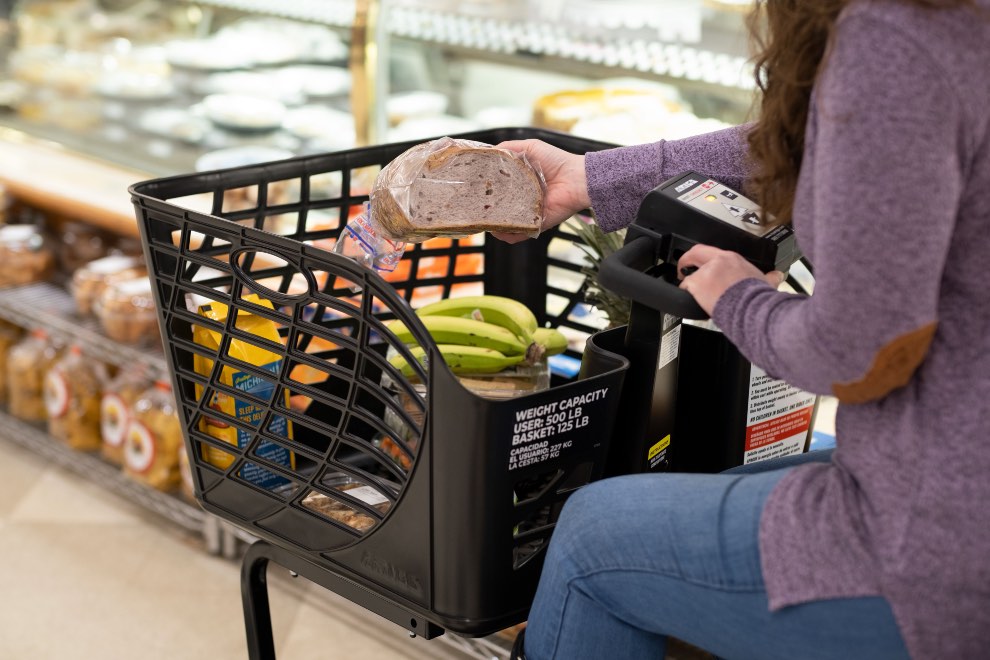
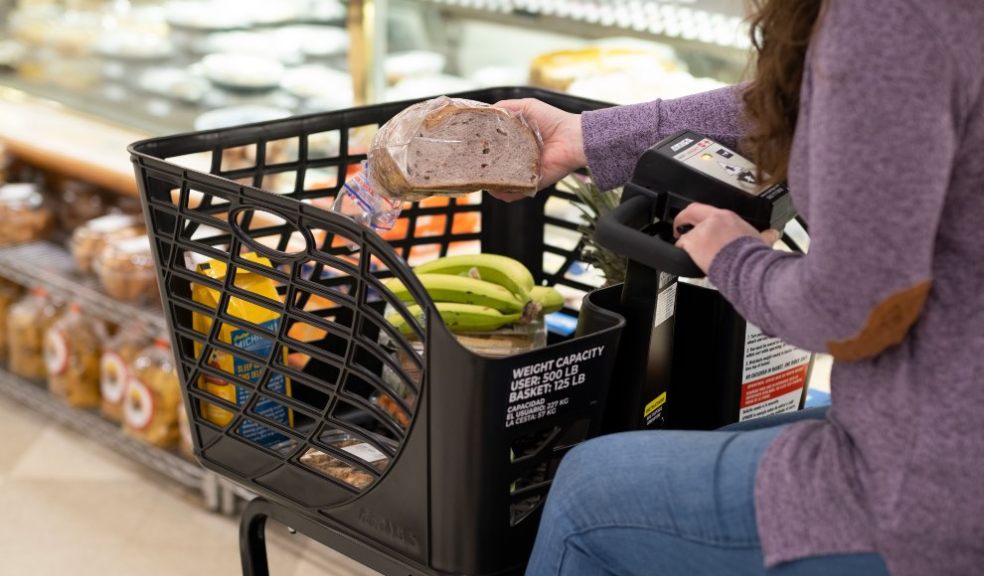
Mobility aids are most useful when they match the person’s actual day. A folding stick that never leaves the hallway, a rollator that won’t fit into the car or a scooter that can’t manage local kerbs may create new frustrations. A well-chosen mobility shop will help people compare aids, seating, bathroom equipment and daily living products around the way they move at home and outside.
Trying equipment in person also reveals details that pictures hide. Handle height, turning circle, braking strength and whether the item can be folded or lifted all matter when the person using it is tired, in a hurry or dealing with bad weather.
Make Errands Easier to Combine
Some tasks are less tiring when they’re grouped, while others need to be split across the week. A pharmacy visit and a small food shop may work together if they’re in the same place, but adding a bank appointment could be too much. Before heading out, it can help to check:
- which entrance has the shortest walk
- whether seating is available nearby
- how heavy the return bags might be
- whether delivery would save a difficult journey
- which time of day is least busy
- who can help without taking over
Support Choice, Not Just the Task
Family members often want to help, but too much help can feel like a loss of control. Ask which part of the errand would be useful to share, rather than assuming the whole task needs doing for them. People with sight loss or reduced outdoor confidence may rebuild a route in smaller steps, and travel and mobility skills can protect independence beyond one errand.
Mobility can vary from week to week. Pain, tiredness, weather, medication and confidence all affect what feels possible, so yesterday’s easy trip may not be a fair measure for today. Errands become easier when planning stays flexible and ordinary choices remain within reach. That might mean doing less on a bad day without treating it as failure, or changing the route because the usual one has become too tiring. The best plan is the one that protects the person’s choice as well as the errand itself.