








Lithium-Ion Battery Fire at Coastal Recycling Highlights Growing UK Risk
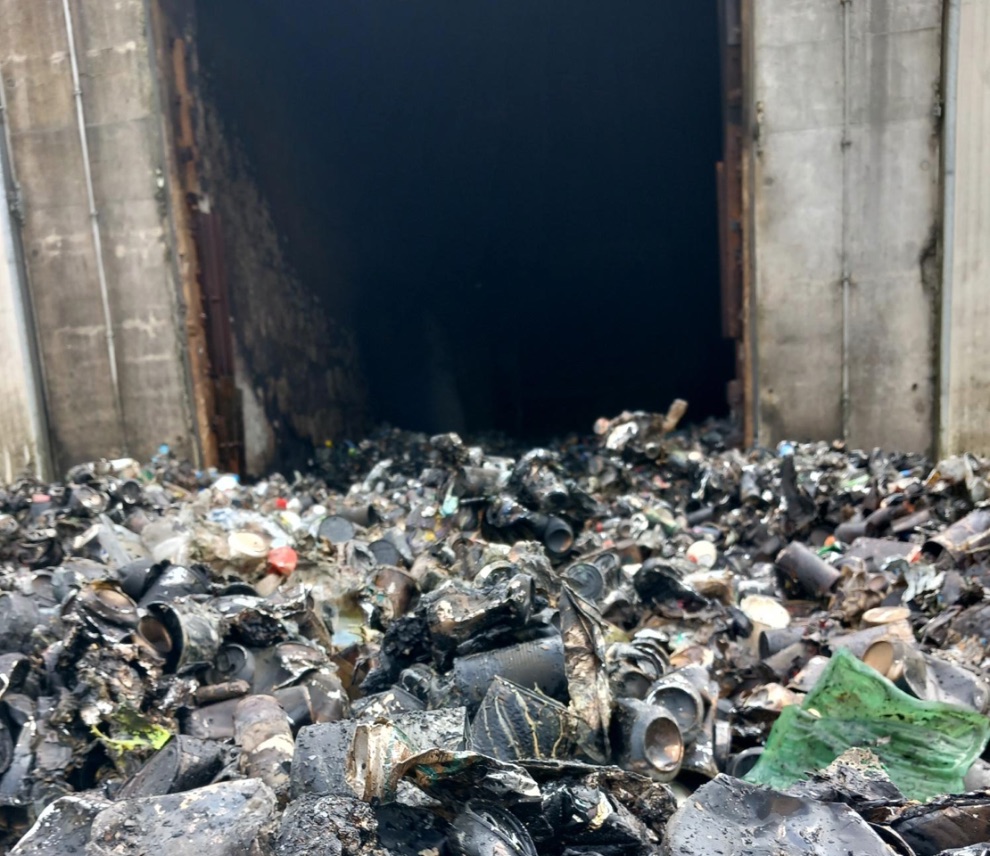
Coastal Recycling is raising awareness of the increasing dangers posed by discarded lithium-ion batteries, following a fire at its Torrington recycling facility earlier this month. The blaze, which began on 14 October 2025, was caused by a single lithium-ion battery and escalated within seconds, fuelled by surrounding waste.
Thanks to the facility’s heat-resistant concrete storage bunkers, the fire was contained, and no injuries were reported; however, without these protective measures, the entire building could have been destroyed. Devon & Somerset Fire and Rescue responded promptly, preventing further escalation.
Lithium-ion battery fires are becoming a daily reality for UK fire services across the country, with the London Fire Brigade responding to more than 130 battery-related fires in 2024 alone, and incidents are rising. Such fires often occur in homes, waste collection vehicles, and recycling centres when batteries are crushed, punctured, or exposed to heat.
According to the North London Waste Authority’s 2025 ‘Lead the Charge’ campaign, the highest-risk items include electronic toothbrushes, smartphones, e-scooter batteries, power tools and the ever-popular vape.
Once inside the waste system, lithium-ion batteries can ignite fires exceeding 800°C, putting employees, emergency services, and facilities at extreme risk, costing waste management companies, like Coastal Recycling, hundreds of thousands in damage and remedial works.
Coastal’s Torrington incident underscores the dangers. Within 30 seconds, a single battery ignited the surrounding plastics recycling. Coastal Recycling’s use of heat-resistant concrete tunnels, a remnant of the site’s previous In-Vessel Composting facility, prevented a catastrophic blaze. Most UK recycling centres lack such protections, highlighting the urgent need for public awareness and safer disposal practices.
“It only takes one battery to start a fire. Proper disposal is crucial to protecting people, property, and the environment,” said Nicole Bates, a spokesperson for Coastal Recycling.
The public is urged to use designated drop-off points at shops, recycling centres or kerbside collection (if available) as a way to dispose of their batteries to try and prevent future incidents. Marking batteries clearly also helps waste collectors to separate them more effectively.
Coastal Recycling continues to work closely with fire services and local authorities to ensure the safety of its sites and the wider community.