








Why Precision Equipment Makes All the Difference in High-Stakes Environments
In industries where the consequences of equipment failure or measurement error are measured not in inconvenience but in safety, structural integrity or scientific validity, the quality of the tools and systems used is not a marginal consideration. It is the central one. This applies across aerospace engineering, materials testing, crowd management, construction access and a range of other fields where the gap between adequate equipment and genuinely excellent equipment translates directly into the reliability and safety of the outcome. Three areas where this principle applies with particular force are structural testing, crowd flow management and construction site access.
Aerospace structural testing is one of the most demanding applications of measurement and testing technology. The structural components of an aircraft must be tested to extremes that reveal their actual failure modes and margins, and the testing equipment used must be calibrated and reliable enough that the results are genuinely meaningful. Empennage testing specifically addresses one of the more challenging aspects of airframe structural testing: the tail assembly, which combines complex geometry with the need to withstand significant aerodynamic loads. The instrumentation and loading systems required for accurate empennage testing must be precise, reliable and capable of capturing the full range of structural response across the range of test conditions. Working with the right test engineering specialists in this area is not optional; it is the difference between test data that is trustworthy and data that is not.
In high-footfall environments, from museums and galleries to transport hubs and public events, managing the flow of people safely and efficiently is a genuine operational challenge. Wall mounted retractable barriers from a reputable manufacturer provide a flexible, space-efficient solution that can be deployed quickly to guide queues, manage access and separate different areas of a space. The quality of the mechanism, the durability of the webbing and the security of the mounting are all details that matter considerably in high-use environments. A barrier that fails in a busy museum or transport hub creates safety risks and operational disruption. Equipment specified and installed to a proper standard simply does not have this problem.
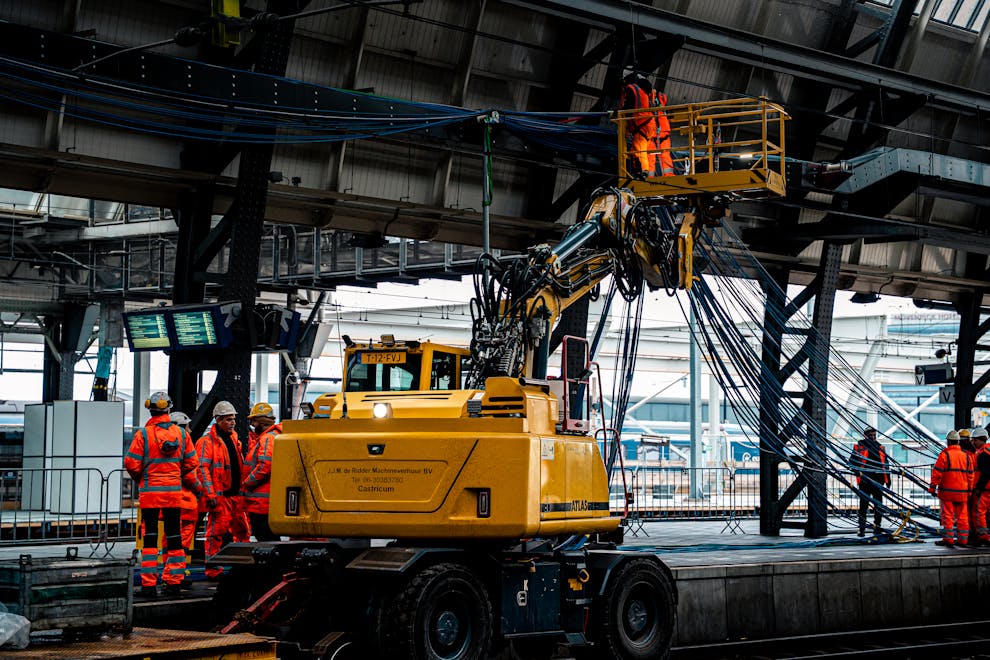
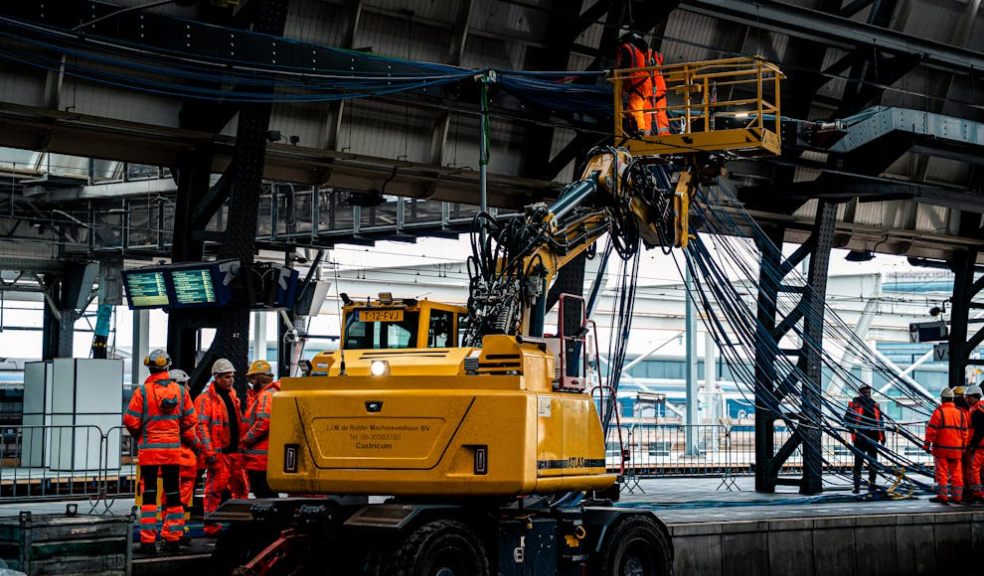
On construction sites and in industrial environments where work needs to be carried out at low to medium height, proper access equipment is a safety and efficiency imperative. Peco lifts are compact, self-propelled access platforms designed for exactly these applications, providing a stable, safe working platform for single operators in environments where a full-size scissor lift would be too large or too heavy. For maintenance work, installation tasks and inspection in spaces with restricted access or sensitive floor loadings, the right compact access equipment makes a significant difference to both the safety and the efficiency of the work. Hiring from a reputable operator who maintains their equipment properly is as important as choosing the right platform in the first place.
The principle connecting these three areas is that in high-stakes environments, equipment quality is not a specification choice that can be made on price alone. The consequences of structural test data that is insufficiently precise, crowd management equipment that fails at the critical moment, or access platforms that are not properly maintained are too significant to accept for the sake of a cost saving.
This is a principle that experienced engineers, safety managers and site supervisors understand instinctively. The challenge is maintaining that understanding in organisations where procurement decisions are made by people who are appropriately focused on cost but may not have visibility of the full risk picture. Creating the conditions for good specification decisions to be made consistently requires both clear policies and the kind of supplier relationships that make quality equipment accessible at reasonable cost.
For anyone working in industries where this kind of precision and reliability matters, the investment in the right equipment and the right supplier relationships is both a safety imperative and a professional one. The best results in high-stakes environments are consistently produced by people and organisations who take the quality of their tools as seriously as the quality of their methods.