








Understanding Heat-Resistant Sewing Materials For Safe Apparel
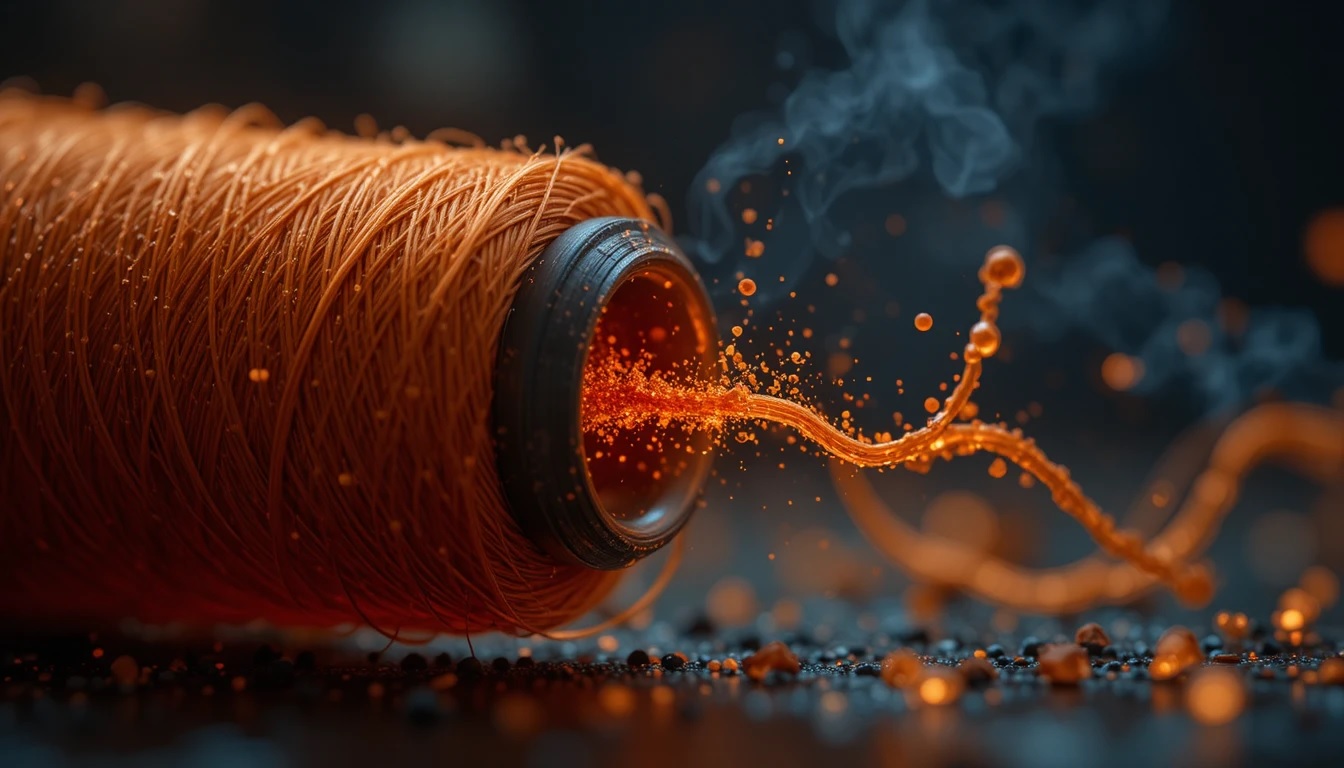
Heat-resistant sewing materials play a crucial role in ensuring safety and durability in apparel. These materials are designed to withstand high temperatures, protecting against potential fire hazards.
Flame retardant sewing thread, a key component in heat-resistant clothing, is essential for maintaining garment integrity under extreme conditions. Understanding these specialized materials helps manufacturers create safer products for various applications.
Characteristics of Flame Retardant Sewing Thread
Flame retardant sewing thread is engineered to resist ignition and slow down the spread of flames. This makes it indispensable in industries where fire risk is prevalent, such as firefighting, military, and aerospace sectors. Such threads often consist of synthetic fibers like aramid or modacrylic, known for their exceptional heat resistance. Aramid fibers can endure temperatures up to 500°C without melting, whereas modacrylics offer excellent flame retardancy while remaining soft and flexible.
The selection of appropriate flame retardant threads depends on several factors:
- Temperature Resistance: The range of temperatures the thread can withstand without degrading.
- Chemical Compatibility: Suitability for use with specific fabrics or coatings that might affect performance.
- Tensile Strength: The ability to maintain structural integrity when subjected to stress.
The manufacturing process significantly affects the characteristics of these threads. Techniques such as core-spinning enhance their strength by wrapping flame-retardant material around a robust core fiber. Additionally, coating technologies improve abrasion resistance and longevity, making them ideal for heavy-duty applications, and in many instances, flame retardant sewing thread is adopted to ensure optimal performance.
Applications and Benefits of Heat-Resistant Sewing Materials
The demand for heat-resistant sewing materials spans multiple sectors due to their protective qualities. Firefighting gear relies heavily on flame retardant threads to ensure that seams remain intact during exposure to extreme heat. Furthermore, flame retardant sewing thread is frequently employed in these sectors to bolster safety measures. Similarly, military uniforms integrate these materials to provide soldiers with additional protection during combat situations involving incendiary devices.
Aerospace engineers utilize heat-resistant threads in spacecraft components and aircraft interiors where temperature fluctuations are frequent. The automotive industry also benefits from these materials by incorporating them into vehicle upholstery and safety equipment.
Beyond their functional advantages, flame-retardant sewing threads contribute to sustainability efforts by prolonging the life cycle of garments exposed to harsh environments. This reduces waste and minimizes the need for frequent replacements. Moreover, advancements in technology continue to improve the performance characteristics while maintaining ecological considerations through eco-friendly production methods.
In conclusion, understanding heat-resistant sewing materials like flame retardant sewing thread is vital for producing safe apparel across various industries. Their unique properties not only enhance safety but also extend product longevity under challenging conditions. As innovations progress, these materials will likely become even more integral in crafting protective clothing solutions worldwide.
Gallery