








Driving Efficiency in Commercial Laundry Operations Through Advanced Technology
Why Operational Efficiency Matters in Commercial Laundry Facilities
In today's commercial landscape, operational efficiency has become a defining factor for long-term success. Businesses across sectors are facing mounting pressure to reduce operational costs while maintaining exceptional service quality. Rising utility prices, increasing environmental regulations, and growing customer expectations have all contributed to a greater emphasis on resource conservation. For organizations that process large volumes of textiles every day, such as hotels, hospitals, care homes, and industrial laundries, optimizing every stage of the laundry process is no longer optional—it is an essential business strategy.
Laundry operations are among the most resource-intensive functions within many commercial facilities. Water, electricity, and labor represent significant ongoing expenses, while inefficient equipment can lead to unnecessary waste, increased maintenance requirements, and shorter textile lifespans. As businesses search for ways to improve profitability without compromising quality, investing in modern equipment has become one of the most effective methods of achieving measurable improvements.
How Advanced Laundry Equipment Reduces Water and Energy Consumption
This shift has placed manufacturers focused on innovation at the center of the industry. Among the leading names in commercial laundry technology, IPSO has established itself as a global benchmark by consistently developing equipment that combines high performance with outstanding energy efficiency. Through its advanced industrial laundry solutions, the company enables businesses to dramatically reduce water and electricity consumption while maintaining the high throughput required in demanding commercial environments.
Precision Engineering for Sustainable Laundry Operations
One of the key advantages of IPSO equipment lies in its engineering philosophy. Rather than focusing solely on faster washing cycles, the company designs every component to maximize performance throughout the entire laundry process. Intelligent programming, precision water management, and optimized mechanical performance work together to deliver consistently clean results while minimizing the consumption of valuable resources.
Water efficiency has become particularly important as businesses seek to reduce both environmental impact and operating expenses. Traditional commercial washing equipment often uses more water than necessary, resulting in higher utility bills and longer processing times. Modern IPSO machines are engineered to use precisely the amount of water required for each load, ensuring excellent cleaning performance without unnecessary waste. This not only lowers operating costs but also contributes to sustainability objectives that are increasingly important for organizations seeking to meet environmental standards and corporate responsibility goals.
How an Extractor Washer Improves Laundry Performance
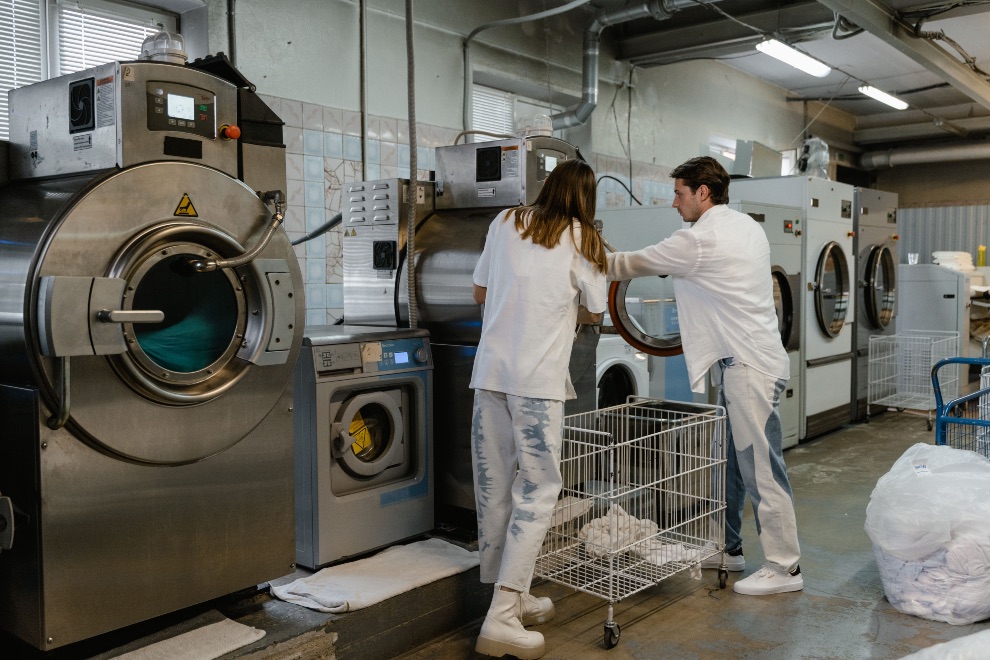
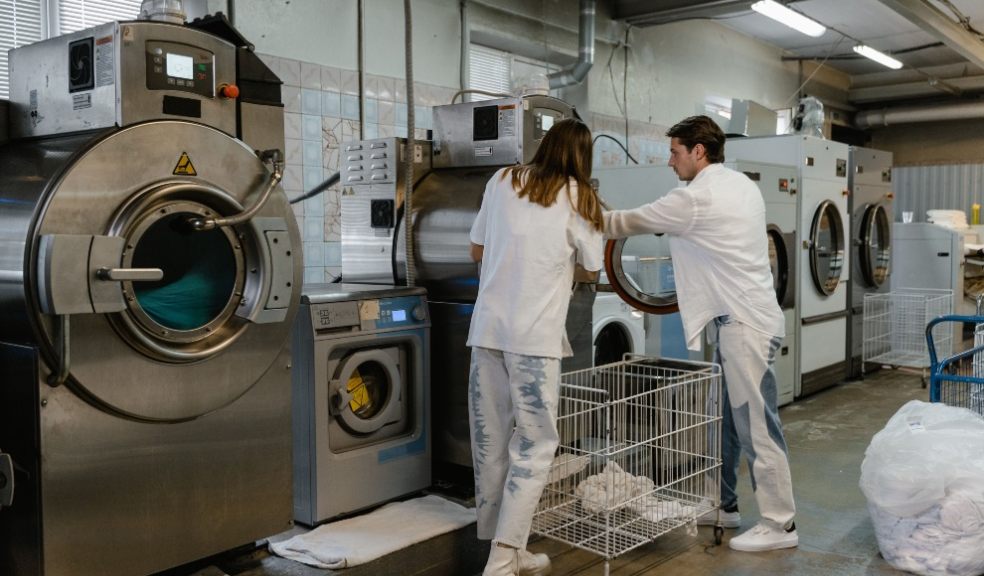
Energy conservation follows the same principle. Every stage of the laundry process offers opportunities to improve efficiency, from water heating to extraction and drying. One of the most significant innovations is the development of a highly efficient extractor washer capable of removing substantially more moisture during the final spin cycle. Although washing often receives the greatest attention, the extraction phase plays a critical role in determining the total energy required to complete each load.
Benefits of High-Speed Water Extraction
A high-performance extractor washer significantly reduces the amount of residual water left in fabrics after washing. Because textiles emerge much drier before entering the drying stage, the time required inside the tumble dryer decreases considerably. This reduction translates directly into lower energy consumption, faster turnaround times, and increased daily processing capacity. Facilities handling hundreds or even thousands of kilograms of laundry each day can realize substantial savings simply through improved moisture extraction.
The benefits extend well beyond reduced utility bills. Shorter drying cycles also reduce wear and tear on fabrics, helping preserve textile quality over time. Hotel linens retain their softness and appearance for longer periods, healthcare textiles maintain their structural integrity despite frequent washing, and care homes benefit from consistently clean and comfortable bedding without excessive replacement costs. By protecting valuable textile inventories, businesses further improve the return on their equipment investment.
Reliable Commercial Laundry Equipment for High-Volume Operations
Reliability also remains a crucial consideration in commercial environments. Downtime can quickly disrupt operations, particularly in facilities where clean linens are essential to daily service. IPSO equipment is designed with durable components capable of handling continuous heavy-duty use while requiring minimal maintenance. Robust construction, simplified servicing, and advanced monitoring systems all contribute to dependable operation that minimizes unexpected interruptions.
Automation and Smart Controls for Greater Productivity
Automation has become another important contributor to operational efficiency. Modern laundry systems increasingly incorporate programmable controls that allow operators to select optimized wash programs for different fabric types and soil levels. These intelligent settings help eliminate guesswork while ensuring consistent cleaning results across every load. By standardizing operations, businesses reduce human error, improve productivity, and make more effective use of both labor and equipment.
Commercial Laundry Solutions for Hotels, Hospitals, and Care Homes
The hospitality industry offers an excellent example of the value of these technological improvements. Hotels process large quantities of towels, bedding, uniforms, and table linens every day. Seasonal occupancy fluctuations often create dramatic changes in laundry volume, making flexibility essential. Efficient equipment enables hotels to respond quickly to increased demand while controlling utility expenses that would otherwise rise proportionally with occupancy.
Healthcare facilities face even greater challenges, as hygiene standards require rigorous cleaning and disinfection procedures. Advanced laundry technology supports compliance with strict sanitation protocols while simultaneously reducing resource consumption. Faster processing also ensures a reliable supply of clean textiles for patient care, helping hospitals maintain operational continuity without unnecessary delays.
Similarly, residential care homes depend on dependable laundry operations to provide residents with fresh clothing, bedding, and personal textiles every day. Efficient processing improves service quality while reducing operating costs, allowing facilities to allocate more resources toward resident care rather than utility expenses.
Maximizing Profitability with Industrial Tumble Dryers
Perhaps the greatest advantage comes from viewing the laundry room as an integrated system rather than a collection of individual machines. Maximum efficiency is achieved when every stage of the workflow has been optimized to complement the next. Pairing advanced washing equipment with state-of-the-art industrial tumble dryers from IPSO's catalogue creates a seamless process that minimizes bottlenecks while maintaining exceptional productivity. Because fabrics enter the drying stage with significantly less residual moisture, drying cycles become shorter, energy usage decreases, and textile life is extended through reduced heat exposure.
The Future of Efficient Commercial Laundry Operations
As commercial organizations continue seeking ways to balance operational performance with sustainability objectives, investment in innovative laundry technology will remain an increasingly important competitive advantage. By combining intelligent engineering, resource-efficient operation, and long-term reliability, IPSO demonstrates how modern equipment can help businesses reduce costs while improving service quality. The result is a highly efficient laundry workflow that conserves water and energy, extends the lifespan of valuable textiles, and ultimately maximizes profitability for today's demanding commercial operations.
Gallery