








How Smart Sprinkler Technology Is Transforming Modern Garden Irrigation
Maintaining a healthy garden requires careful attention to watering. Too little water can stress plants and slow their growth, while too much water can damage roots and waste valuable resources. Traditional irrigation methods often rely on manual watering or simple timers that run on fixed schedules. Because these systems cannot adjust to changing weather conditions, they may water the garden during rainfall or fail to provide enough moisture during hot, dry periods.
To address these challenges, many homeowners are turning to smarter irrigation solutions that rely on environmental data rather than fixed schedules. A smart sprinkler system uses sensors, automation, and connected technology to adjust watering based on conditions such as rainfall, soil moisture, and temperature. As water conservation becomes a global priority, these systems offer a more efficient way to maintain healthy landscapes while reducing unnecessary water use.
Why Traditional Garden Irrigation Falls Short
Many gardens still rely on conventional irrigation systems that operate on simple timers or manual watering schedules. While these methods have been used for decades, they often lack the ability to adapt to real environmental conditions. As a result, watering schedules may continue even during rainfall or cooler weather when plants require less moisture.
Common Challenges Gardeners Face
1. Overwatering and Water Waste
Traditional sprinkler timers operate on fixed schedules regardless of weather conditions. This means your system may water the lawn during rainfall or cooler periods when plants need less water.
2. Uneven Water Distribution
Manual watering or outdated sprinklers can create dry patches and overly saturated areas in your garden. Uneven watering can stress plants and lead to poor root development.
3. Time-Consuming Garden Maintenance
Maintaining a watering schedule requires daily attention, especially during hot seasons. Forgetting to water or watering too frequently can harm plants and waste resources.
These challenges are driving many homeowners to explore automated irrigation solutions that remove guesswork from garden care.
What Makes a Smart Irrigation System Different
A modern smart irrigation system combines hardware and software to create a responsive watering network. Instead of following fixed schedules, these systems analyze environmental data and adjust watering automatically.
Core Components of Smart Irrigation
|
Component |
Function |
|
Smart controller |
Manages irrigation schedules based on sensor data |
|
Environmental sensors |
Monitor rainfall, temperature, humidity, and soil moisture |
|
Valves |
Control water flow to different irrigation zones |
|
Sprinklers |
Distribute water across lawns and garden beds |
By coordinating these components, smart irrigation systems can respond dynamically to weather changes and plant needs. This technology helps maintain consistent soil moisture while reducing unnecessary water use.
The Role of Smart Sprinkler Technology in Garden Automation
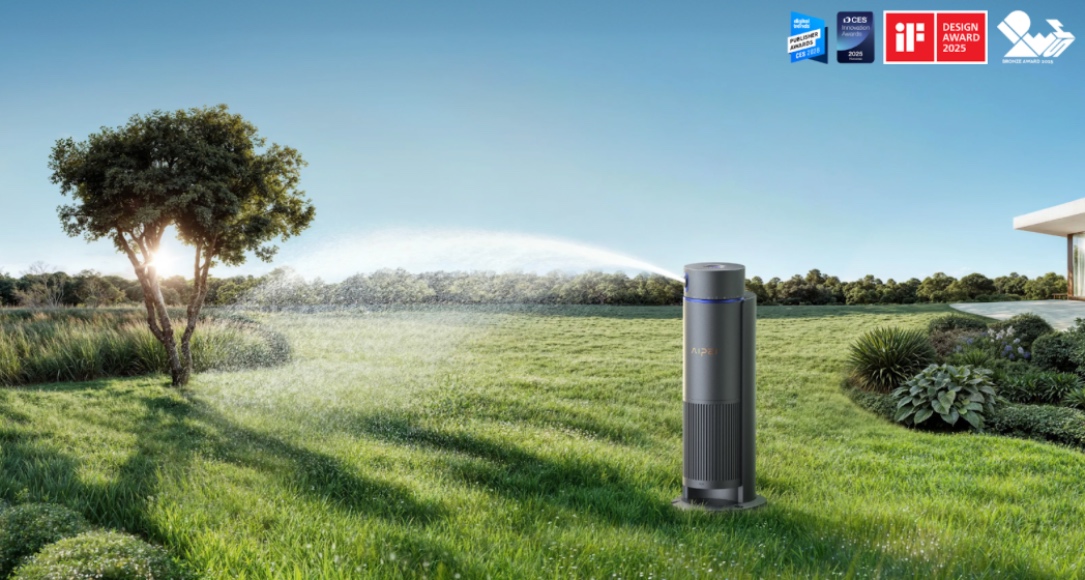
A smart sprinkler is one of the most visible elements of a modern irrigation system. Unlike traditional sprinklers that operate on fixed schedules, smart sprinklers adjust watering patterns based on environmental inputs from sensors and connected controllers.
These systems can automatically pause irrigation when rainfall is detected or modify watering duration during cooler seasons. In addition, they often allow you to divide your landscape into multiple irrigation zones. Each zone can be programmed to match the watering requirements of specific plant types.
Common Capabilities of Smart Sprinklers
- Weather-based adjustments that pause watering during rainfall
- Programmable irrigation zones for different plant types
- Remote control via smartphone apps
- Custom watering schedules for seasonal changes
These capabilities allow irrigation systems to deliver water precisely where it is needed. As a result, gardens receive more consistent watering while avoiding unnecessary runoff.
Smart Irrigation and Water Conservation
Water scarcity is becoming an increasingly global concern, making efficient irrigation more important than ever. Smart irrigation systems address this issue through data-driven watering strategies.
How Smart Irrigation Saves Water
1. Weather-Based Scheduling
Smart systems use weather forecasts or rainfall sensors to skip irrigation when rain is expected.
2. Soil Moisture Monitoring
Sensors measure moisture levels in the soil and activate watering only when necessary.
3. Targeted Water Delivery
Smart irrigation directs water only to specific zones rather than the entire lawn.
Advanced irrigation technologies can significantly improve water efficiency while maintaining healthy plant growth. Some modern systems are designed to reduce water usage compared with conventional watering methods through targeted irrigation and weather-based adjustments.
These improvements make smart irrigation particularly valuable in regions facing water restrictions.
Real World Applications of Smart Irrigation
Smart irrigation technology is no longer limited to commercial agriculture. It is increasingly being adopted in residential landscapes.
Homeowners now use smart irrigation systems for:
- Backyard gardens
- Urban landscaping
- Greenhouses
- Community gardens
Modern systems are often designed to be compatible with common garden irrigation setups, making installation accessible for homeowners. Many systems can connect directly to household water supplies and be configured through smartphone applications.
By allowing each irrigation zone to follow its own schedule, these systems help maintain healthy plant growth across diverse landscapes.
Data-Driven Garden Management
Another benefit of smart irrigation systems is their ability to collect and analyze watering data. Connected irrigation platforms often track water usage, watering schedules, and environmental conditions over time. This information provides valuable insights that help gardeners improve irrigation efficiency.
What Smart Irrigation Data Can Show
- Water consumption patterns
- Irrigation efficiency across zones
- Seasonal watering adjustments
- Soil moisture trends
AI-driven irrigation technologies are increasingly using predictive models to optimize watering schedules based on environmental conditions and historical data.
With these insights, you can make informed decisions about:
- Adjusting watering frequency
- Changing plant placement
- Improving soil health
Data-driven irrigation helps you turn your garden into a more sustainable ecosystem.
The Future of Smart Garden Irrigation
Smart irrigation technology continues to evolve as sensor capabilities and automation systems become more advanced. Future irrigation systems are expected to incorporate more sophisticated monitoring technologies that analyze soil health, plant growth, and microclimate conditions.
Emerging technologies are introducing new capabilities such as:
- AI-powered watering recommendations
- Hyperlocal weather detection
- Integration with smart home ecosystems
- Advanced soil and plant monitoring sensors
As gardens become more connected and environmentally conscious, smart irrigation systems will likely play an increasingly important role in residential landscaping. By combining automation with environmental awareness, these technologies help create more resilient and sustainable outdoor spaces.
Conclusion
The rise of smart irrigation reflects a broader shift toward technology-driven garden care. Traditional watering methods often rely on manual effort or fixed schedules, which can lead to inefficient water use and uneven plant health. In contrast, modern irrigation systems use sensors, environmental data, and automation to deliver water more precisely, helping gardens receive the moisture they need without unnecessary waste.
A smart sprinkler system supports this approach by adjusting watering schedules based on weather conditions, soil moisture, and plant requirements. This not only helps maintain consistent soil hydration but also simplifies garden maintenance. As environmental awareness grows and smart home technologies extend outdoors, intelligent irrigation systems are becoming an increasingly practical solution for sustainable and efficient garden management.