








How to Refresh a Tired Property Without Taking on a Major Renovation
There is a big difference between a property that needs renovating and one that simply feels tired.
Faded walls, dated fittings, cluttered rooms and years of small knocks can gradually make a perfectly functional home look as though it needs far more work than it actually does. Before you start imagining walls coming down and kitchens being ripped out, it is worth seeing what can be achieved with smaller changes.
A few focused improvements can make a property feel cleaner, brighter and more considered, without months of disruption.
Step 1: Work Out What Is Actually Making It Feel Tired
Start by walking through the property as though you were seeing it for the first time.
Rather than thinking about what you would ideally replace, look for what is dragging the overall appearance down. Scuffed paintwork, overcrowded surfaces, poor lighting and worn finishes can collectively make a home feel dated even when the fundamentals are perfectly sound.
Take photographs if necessary. Looking at a room through a photograph can make clutter and awkward furniture arrangements surprisingly obvious.
Once you have identified the problem areas, prioritise the changes that will affect the largest or most noticeable surfaces first.
Step 2: Refresh the Paintwork
Paint is one of the simplest ways to make a substantial visual change without altering the structure of a property.
You do not necessarily need to repaint every room. Concentrate on the areas showing the most wear, particularly hallways, kitchens and busy living spaces. A fresh coat can make walls appear cleaner and give surrounding furniture and flooring a new lease of life.
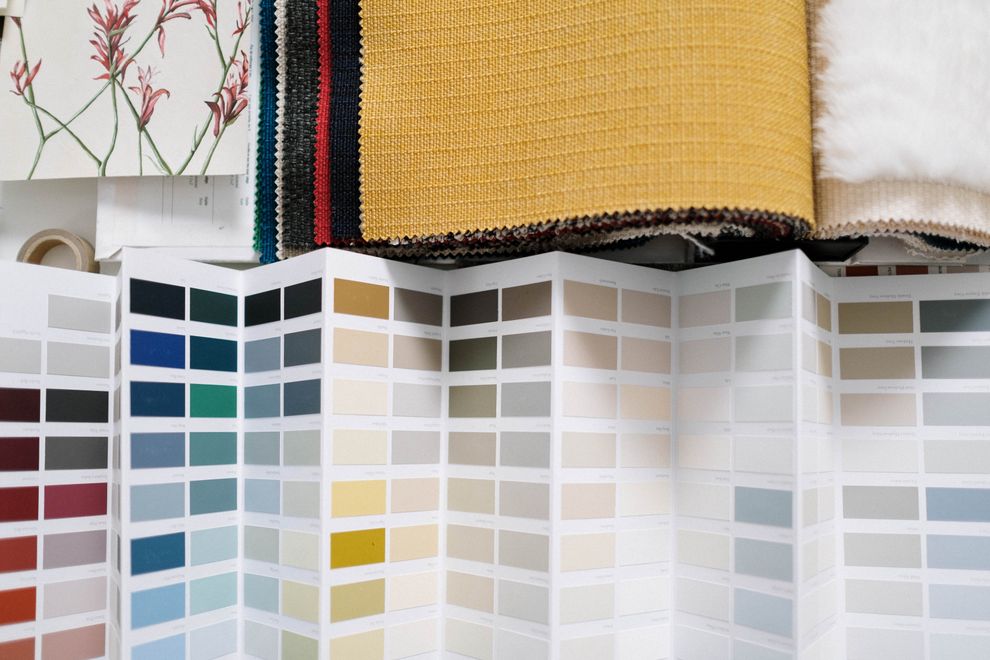
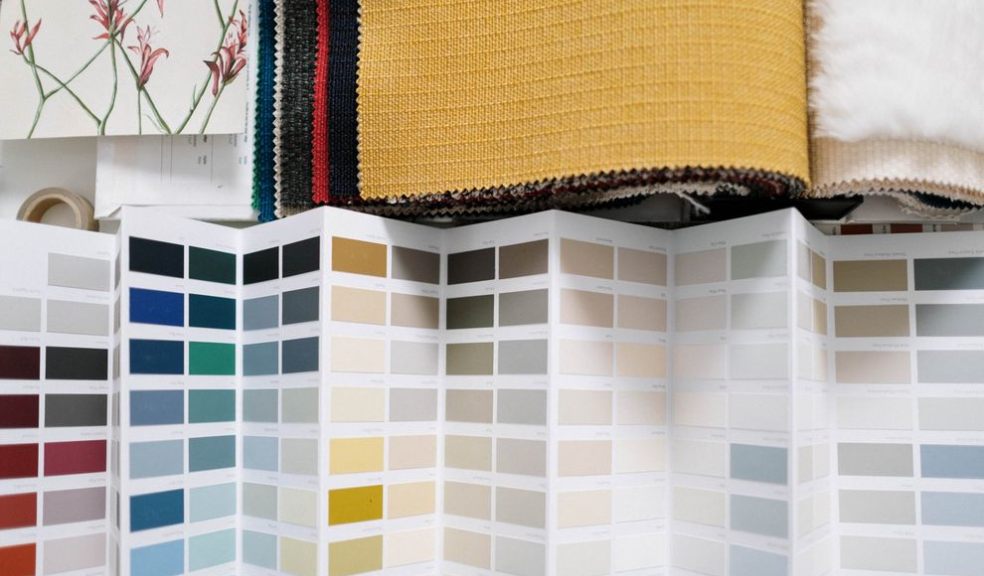
Preparation matters here. Fill holes, smooth rough areas and clean surfaces before starting. Choosing suitable paints from Nebula Paints along with the right brushes, rollers and preparation products can help you achieve a much neater finish.
Look beyond the walls too. Fresh skirting boards, doors and frames can make a surprisingly significant difference.
Step 3: Deal With the Small Repairs
A property can be beautifully decorated and still feel neglected when small things are broken.
Make a list of all those minor jobs you have gradually learned to ignore. Tighten loose cupboard handles, adjust doors that do not close properly, replace damaged sealant and repair obvious chips or cracks.
Individually, these jobs might take minutes. Together, they create a stronger impression that the property has been properly maintained.
Step 4: Improve the Lighting
Sometimes a room does not need redecorating at all. It simply needs better lighting.
Start by making the most of natural light. Clean windows, move furniture that unnecessarily blocks them and consider whether heavy window coverings are making rooms feel darker.
Then look at artificial lighting. Rather than expecting one overhead fitting to do everything, introduce lamps where appropriate to create different layers of light. Lighting is frequently recommended alongside paint and other relatively small changes for refreshing rooms without extensive remodelling.
The aim should be to make each room work well at different times of day rather than simply making it as bright as possible.
Step 5: Make Existing Features Look Intentional
An older property does not have to pretend to be brand new.
In fact, trying to remove every trace of age can sometimes take away the character that makes a home interesting in the first place.
Instead, work with features that are worth keeping. Original fireplaces, timber doors, alcoves, decorative mouldings and older floorboards can become attractive focal points once the surrounding space has been cleaned up.
Even less exciting features can often be incorporated into a more cohesive scheme through thoughtful use of colour, furniture and decoration.
Focus on Refreshing, Not Rebuilding
A major renovation has its place. Structural problems, serious damage and layouts that simply do not function may require more substantial work.
But a home that merely looks a little worn does not automatically need to be stripped back and rebuilt.
Start with the visible surfaces. Repair what is broken, refresh what is worn, improve the lighting and remove what is no longer helping the space. Once those jobs are finished, you will have a much clearer idea of whether larger changes are genuinely necessary.
Quite often, the property you thought needed renovating simply needed some attention.