








Why Devon Is Becoming a Top Destination for Motorhome Adventures
Motorhome travel is a form of touring in which transport and accommodation are combined in a single vehicle, allowing travellers to move freely while carrying everything they need for the journey. Devon has become one of the most attractive places in the UK for this style of travel because the county combines coastline, countryside, and historic towns within relatively short driving distances.
Domestic tourism has grown steadily in the UK in recent years, and the South West consistently ranks among the most visited regions. Devon alone attracts millions of visitors annually thanks to its beaches, national parks, and outdoor lifestyle.
Motorhome travellers benefit from this diversity because it allows them to experience several types of landscapes during one trip.
This guide explores why Devon is gaining popularity among motorhome travellers, which scenic routes are worth exploring, where to stay overnight, what types of motorhomes work best in the region, and how to plan a successful road adventure.
What Makes Devon a Unique Destination for Motorhome Travel?
Devon is becoming a favourite destination for motorhome holidays because it offers a rare combination of landscapes and travel experiences within a single region. A motorhome trip works best when a destination offers variety, and Devon delivers that with remarkable consistency.
Travellers can drive along rugged cliffs on the North Devon coast, explore sheltered harbours along the South Devon shoreline, and then head inland toward the wide granite landscapes of Dartmoor.
This variety allows visitors to design trips that balance outdoor exploration, seaside relaxation, and cultural discovery.
Several key features make Devon so well-suited to touring holidays.
- Two dramatic coastlines offering different scenery and beaches
- National parks, including Dartmoor and parts of Exmoor
- Scenic rural driving routes connecting villages and the countryside
- A strong network of campsites and touring parks
- A lifestyle focused on outdoor activities such as hiking, surfing, and cycling
Because these elements exist close together, travellers can experience multiple environments in a single trip without spending hours driving between them.
Why Is Motorhome Tourism Growing So Fast in Devon?
Motorhome tourism is growing rapidly in Devon as travellers increasingly prefer flexible, independent holidays. Instead of staying in one location for the entire trip, many visitors now prefer to explore several destinations within the same region.
Motorhomes make this possible by combining transport, accommodation, and cooking facilities in one vehicle.
Another reason for the rise of motorhome travel is the growth of staycations within the UK. Many travellers have rediscovered domestic destinations and realised they offer the same sense of adventure without the complexity of international travel.
Devon is particularly suited to this trend because the region offers nature, outdoor activities, coastal scenery, and historic towns.
Before planning a trip, many travellers research vehicles and touring options through platforms such as The Motorhome Trader, where buyers and travellers compare different types of motorhomes suited for UK road trips.
What Are the Best Scenic Motorhome Routes in Devon?
A scenic driving route is a travel corridor designed to showcase a region's natural beauty and cultural landmarks. Devon offers several routes where the journey itself becomes a central part of the holiday experience.
Driving through Devon rarely feels repetitive because landscapes change quickly. Coastal cliffs, farmland, moorland, and historic villages often appear within a single day of travel.
Motorhome travellers can plan flexible itineraries that combine shorter drives with longer scenic stretches.
Some of the most popular routes include:
-
North Devon Coastal Route
This route runs along dramatic cliffs and surf beaches, including Woolacombe and Croyde. -
South Devon Coastal Drive
Travellers experience estuaries, fishing towns, and sheltered beaches. -
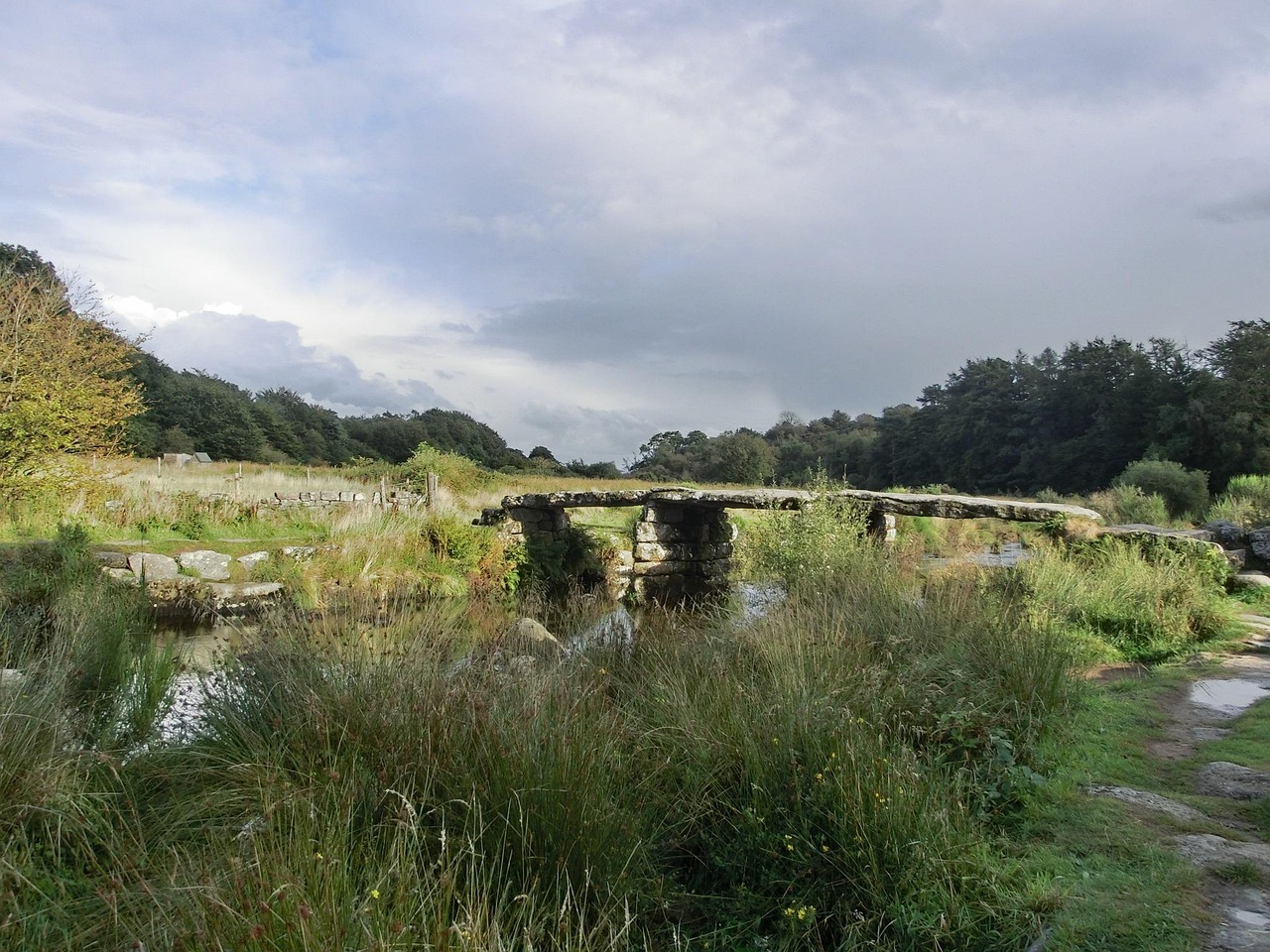
Dartmoor National Park Route
Wide-open moorland landscapes offer a completely different driving experience. -
Exmoor Scenic Drive
The area blends woodland valleys with coastal views. -
Exeter to Jurassic Coast Route
This drive connects Devon with famous fossil beaches and historic seaside towns.
These routes allow travellers to design journeys that combine nature, culture, and outdoor activities.
What Are the Best Places to Stay in Devon With a Motorhome?
Motorhome accommodation in Devon includes a wide range of options, from large touring parks to small rural stopovers. The best choice often depends on vehicle size, travel style, and the time of year.
Travellers who want full facilities usually choose established campsites that offer electricity, water connections, and waste disposal systems.
Others prefer smaller sites where the atmosphere feels quieter and closer to nature.
Motorhome Campsites
Motorhome campsites are dedicated locations designed to support touring vehicles. These sites usually provide electric hook-ups, water access, waste disposal points, and level pitches suitable for larger vehicles.
Campsites are particularly useful during peak travel seasons because they provide guaranteed overnight accommodation.
They also offer additional facilities such as showers, laundry areas, and nearby walking paths.
Wild Camping Opportunities
Wild camping refers to overnight stays outside traditional campsites. In Devon, wild camping rules are more restrictive than many travellers expect.
Motorhomes generally cannot park overnight freely in most locations, particularly in protected landscapes.
Responsible travellers usually rely on designated campsites or authorised stopovers rather than roadside parking.
Following local guidelines protects the environment and maintains positive relationships with local communities.
Farm Stays and Rural Stopovers
Farm stays and rural stopovers offer a quieter alternative to large campsites. These sites are often located on farms or countryside properties that offer simple overnight parking.
Motorhome travellers who enjoy peaceful surroundings often prefer these locations because they allow closer contact with nature.
Rural stopovers also give travellers a chance to explore small villages, walking trails, and countryside pubs that many tourists overlook.
What Types of Motorhomes Are Most Suitable for Exploring Devon?
Choosing the right motorhome is an important decision when planning a trip through Devon. The region includes narrow rural roads and small village streets, so vehicle size can influence the overall travel experience.
Motorhomes vary widely in size, layout, and features. Some travellers prioritise manoeuvrability while others focus on interior comfort.
Many buyers explore options such as used motorhomes for sale when comparing layouts and vehicle sizes suitable for touring the UK.
Campervans
Campervans are compact leisure vehicles that combine basic living facilities with the manoeuvrability of a standard van. Their smaller size makes them easier to drive along rural roads and park in busy coastal towns.
They are ideal for couples or short trips where flexibility is the main priority.
Coachbuilt Motorhomes
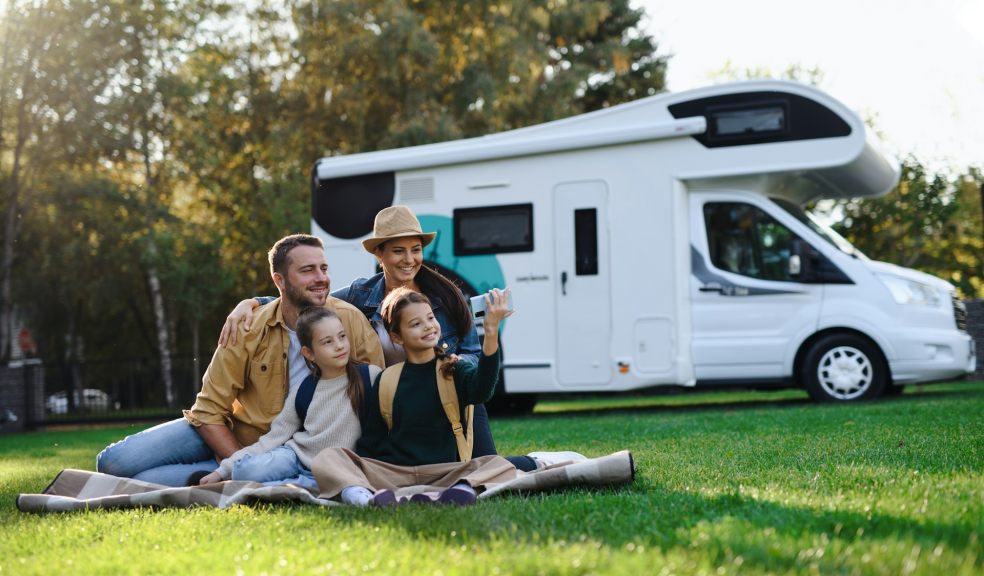
Coachbuilt motorhomes provide larger living spaces with separate sleeping, kitchen, and storage areas. Families often choose these vehicles because they offer more comfort during longer trips.
However, drivers need to plan routes carefully because larger vehicles require wider roads and more parking space.
Luxury Motorhomes
Luxury motorhomes offer premium interiors, advanced technology, and high levels of comfort. These vehicles suit travellers planning longer stays or extended road trips.
While they provide excellent living space, their larger size may require additional planning when travelling through rural areas.
What Are the Advantages of Exploring Devon by Motorhome?
Motorhome travel offers several advantages, particularly in a region as diverse as Devon. Travellers gain the freedom to explore coastal villages, national parks, and countryside routes without relying on hotels or fixed schedules.
The six main advantages include:
-
Experience complete travel freedom
Travellers can change routes and destinations without strict booking schedules. -
Stay close to nature.
Motorhome campsites often sit near beaches, forests, or hiking trails. -
Reduce accommodation costs
Overnight stays in motorhomes can be more affordable than hotels. -
Access remote locations
Motorhomes allow travellers to reach rural attractions that are far from major tourist centres. -
Travel easily with pets or family.
Motorhomes provide a flexible living space during longer journeys. -
Turn travel time into part of the adventure.
Scenic drives become highlights of the trip rather than just a means of transport.
What Should Travellers Know Before Taking a Motorhome Trip to Devon?
Planning a motorhome trip to Devon requires some preparation, as the region features narrow roads, busy tourist areas, and seasonal travel patterns.
Drivers should always check road sizes before choosing a route. Many rural lanes are designed for local traffic rather than large vehicles.
Booking campsites in advance is also recommended during the summer, as coastal areas can become particularly busy.
Several practical tips can help travellers avoid common problems:
- Check vehicle height and width before entering rural roads.
- Reserve campsites during peak travel seasons
- Follow local parking and overnight regulations.
- Monitor weather conditions in coastal and moorland areas.
- Plan fuel stops in rural regions.
These steps help travellers enjoy the region while avoiding unnecessary travel stress.
How to Plan a Motorhome Adventure in Devon
Planning a motorhome trip involves several simple steps that help travellers organise routes and accommodation effectively. A well-structured plan allows visitors to focus on exploring rather than solving logistical problems.
The six main steps include:
- Choose the right motorhome size and layout.
- Plan a realistic travel route through Devon.
- Reserve campsites or overnight stops
- Prepare supplies and travel equipment.
- Check local driving and parking regulations.
- Explore attractions and scenic routes along the journey.
Following these steps ensures travellers make the most of Devon’s diverse landscapes.
What Does a Motorhome Trip to Devon Cost?
The cost of a motorhome trip to Devon varies depending on vehicle type, travel season, and the length of the journey.
Motorhome rental prices typically range from around £90 to £200 per day, depending on vehicle size and features.
Campsite fees generally range between £20 and £40 per night, depending on location and available facilities.
Several factors influence the total cost of a trip:
- Motorhome size and rental category
- Travel season and tourism demand
- Campsite location and facilities
- Fuel costs and travel distance
- Duration of the trip
Careful planning allows travellers to manage their budget while still enjoying the flexibility of motorhome travel.
What Are the Best Attractions to Visit in Devon by Motorhome?
Devon offers a wide range of attractions that are easily accessible for motorhome travellers. The county combines natural landscapes, historic towns, and outdoor adventure opportunities.
Popular destinations include:
-
Dartmoor National Park
Famous for granite tors, hiking trails, and wide open landscapes. -
Exmoor National Park
Known for dramatic cliffs, forests, and wildlife. -
South West Coast Path
One of the longest coastal walking routes in the UK. -
Woolacombe Beach
A well-known surf beach with wide sandy shores. -
Clovelly Village
A historic fishing village with steep cobbled streets. -
Exeter
The city offers cultural attractions, including Exeter Cathedral and historic architecture.
These destinations highlight the variety that makes Devon such an appealing touring region.
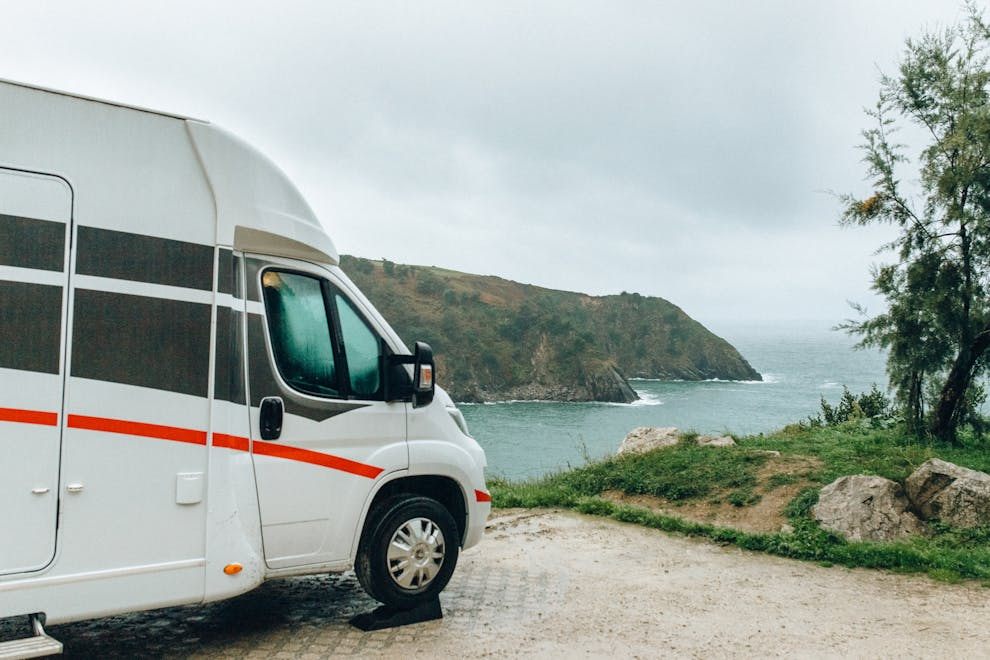
Devon vs Other UK Motorhome Destinations
Devon stands out among UK motorhome destinations for its balanced mix of landscapes and travel experiences. Other regions specialise in one type of scenery, but Devon provides coastlines, countryside, and historic towns within a single county.
|
Destination |
Main Strength |
Road Accessibility |
Variety |
|
Devon |
Coast + countryside |
Good with planning |
Very high |
|
Cornwall |
Iconic beaches |
Often crowded |
Medium |
|
Lake District |
Mountain scenery |
Narrow roads |
Medium |
|
Scottish Highlands |
Vast wilderness |
Long driving distances |
High |
This combination of accessibility and diversity explains why Devon continues to attract more touring visitors.
Conclusion
Devon has become one of the UK’s most appealing destinations for motorhome adventures because it offers scenic variety, strong tourism infrastructure, and a culture that welcomes outdoor exploration.
Motorhome travel allows visitors to experience the county at their own pace, easily moving between coastal landscapes, national parks, and historic towns.
For travellers who value flexibility, natural beauty, and the freedom of the open road, Devon provides an ideal setting for a memorable touring holiday.